







The Money Chain Behind a Nepali Labour Permit
A step-by-step guide to the payments behind a Nepali labour permit, from the recruitment agency's capped charge to the Department of Foreign Employment fee, the Foreign Employment Welfare Fund contribution and compulsory migrant worker insurance, with the receipt to demand at every stage and where to verify current figures yourself.

Fees, charge ceilings, Welfare Fund contributions and insurance cover can all be revised. The figures published by the Department of Foreign Employment, and by the Foreign Employment Board, the body that runs the Welfare Fund, govern your case. Not anything on this page.
First, the awkward part
This guide contains no rupee amounts, on purpose. Plenty of websites will hand you a figure for a Nepali labour permit or a Welfare Fund contribution without saying which year it came from or who issued it. If that number has since been revised, you walk into a recruitment office believing something that is no longer true, and the person across the desk can quote you anything.
What is useful here is the shape of the payment chain, and the paper that proves each payment. Take the amounts from the office that sets them, on the day you read this. As of 23 October 2026 we could not pin current amounts to a dated public notice, so we have not printed any.
Four places money leaves your hand
The recruiter's charge
The government sets a ceiling on what a licensed recruitment agency may charge for a given destination. A ceiling is a maximum, not a price list, and it is not the same thing as the total cost of going abroad. Ask what the charge covers before you agree to it, and ask for a receipt naming the agency, its licence number, the amount, the date and the service.
If what you are asked for does not match what the regulator has published, take the question to the regulator. Not to a friend who went to the Gulf last year, and not to the agent's own office manager.
The labour permit fee
This is a government charge for the permit itself, paid to the Department of Foreign Employment rather than to the agency, and it comes with a government receipt. Keep that receipt separate from any agency invoice, even where the agency paid the fee on your behalf and is now claiming it back from you. Bundled into one handwritten total, it tells you nothing.
The Department sits under the Ministry of Labour, Employment and Social Security, and it is also the office that licenses recruitment agencies. Government departments do get renamed and their work moved around, so if the signboard at the counter says something different from this page, trust the signboard and check the Ministry's site for which body now handles permits.
The Welfare Fund contribution
A contribution collected at the permit stage feeds the Foreign Employment Welfare Fund, which exists to support workers and families in situations defined in its own rules. Two things follow. The amount is fixed by the government, not negotiated by an agent. And what the Fund will actually do for you depends on its current rules and forms, which you should ask for in writing from the office that runs it, well before you need them.
The Fund is administered by the Foreign Employment Board. Confirm that this is still the current administering body on the Ministry of Labour, Employment and Social Security's site before you rely on any form you were handed, and get the claim document list from the Board itself rather than from an agent.
The insurance premium
Migrant worker insurance is compulsory, and the premium is only part of what you need to know. Ask three questions: who is the insurer, what is the sum insured, and what period does the cover run for. Then ask which insurers are currently permitted to write this cover, and check the name on your certificate against that answer. A certificate from a company that is not on the current list is not much comfort when something goes wrong in Doha.
The receipts checklist
Keep these together in one folder, photograph the lot, and leave a copy with someone you trust at home.
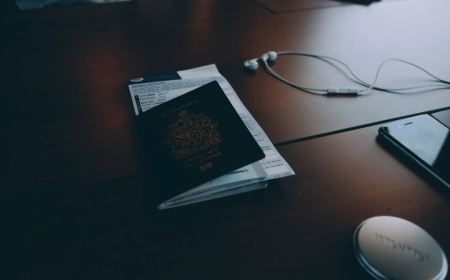
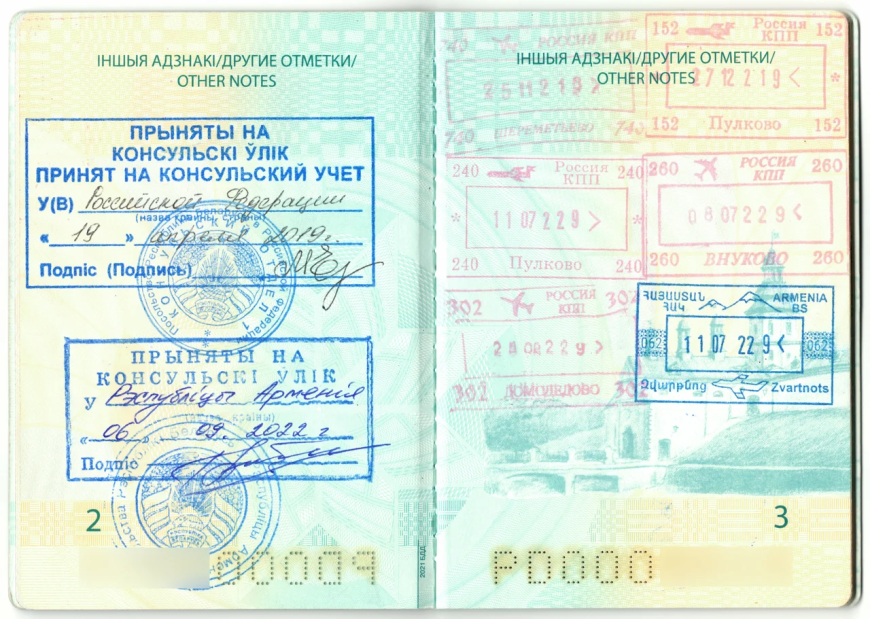
- Passport, with the visa and the labour permit, plus a photocopy of every page that carries a stamp.
- The Department's permit fee receipt, kept apart from any agency bill.
- The Welfare Fund contribution receipt, with your name spelled exactly as it appears on your passport.
- The recruiter's receipt: amount, date, agency name, licence number, service described.
- The insurance certificate: policy number, insurer, sum insured, dates of cover, and the emergency contact number.
- The employment contract, in a language you actually read, showing job title, salary, hours and leave.
What a receipt will not do
A receipt proves you paid. It does not prove you are entitled to a payment back, and it does not guarantee that a claim will succeed. Those calls are made by the Fund, or the insurer, against their own rules and the documents you supply. Nobody, and that includes any agent who offers to 'handle' a claim for a cut, can promise you an outcome. Treat that promise as the warning it is.
Check your Nepali labour permit figures yourself
Before you sign anything, confirm the current permit fee, the charge ceiling for your destination, the Welfare Fund contribution, the Fund's claim document list, and the current insurance requirements. A Nepal labour permit is only ever as good as the paperwork behind it, so go to the offices that issue each document, or their official sites, and note the date you checked. If a figure you were quoted differs from what the office tells you, the office is right and the quote is the problem.
Rules change. Fees, ceilings, contributions and cover can be revised at any time, and the named authority's current published figures apply to your case. Nothing here is legal advice or a promise of recovery.
What's Your Reaction?