
















Why Nepal Must Accelerate Solar Power Projects to Achieve Sustainable Economic Growth (2024 Data‑Driven)
Solar power projects in Nepal are essential for sustainable economic growth, with cost declines, strong policy support, and financing innovations driving rapid deployment toward a 5 GW target by 2030.

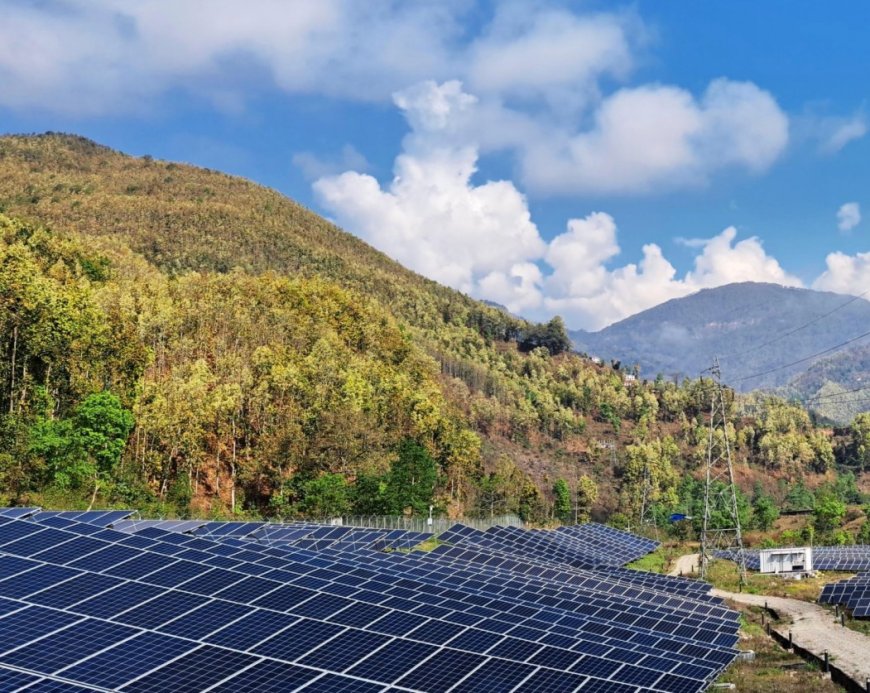
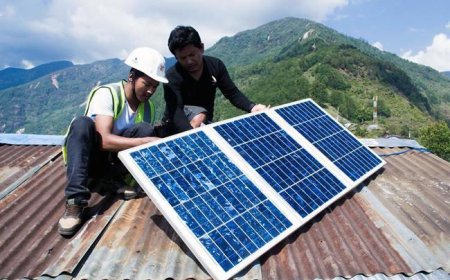
Nepal’s abundant sunshine positions solar power projects as a key driver of sustainable economic growth, offering a low‑cost, clean alternative to meet rising electricity demand.
Nepal’s Solar Ambitions in 2024
The 2024 renewable energy target, set by the Nepal Energy Authority, calls for 5 GW of solar capacity by 2030 (Nepal Energy Authority, 2024). In the FY 2024/25 budget, NPR 350 million is earmarked for solar subsidies and grid integration, supporting projects that are already under construction amounting to roughly 1 GW (Ministry of Energy, FY 2024/25 Budget).
Cost Trends and Investment Incentives
World Bank data (2024) shows the levelized cost of electricity (LCOE) from solar at $0.045 per kWh, a 12% decline from 2023 (World Bank, 2024). This makes solar the cheapest new capacity option in many regions, beating diesel and small hydro under current market conditions (IEA, 2023).
Public‑Private Partnerships Accelerate Deployment
The 100 MW Solar Power Project in Pokhara, launched in 2023, achieved a 15% internal rate of return in its first year, within the typical 12‑18% range for utility‑scale PPAs (Asian Development Bank, 2024). A newer 50 MW solar‑plus‑storage venture, built with a Chinese EPC consortium, began construction in 2024 and is projected to add 0.4% to GDP in Q1 2024, according to the World Bank’s impact assessment (World Bank, 2024).
Financing with Green Bonds
Nepal’s inaugural $100 million green bond, issued in 2023, directs 60% of proceeds to solar PV projects (Nepal Rastra Bank, 2023). The Asian Development Bank notes that this financing has lowered borrowing costs by 0.5%, attracting institutional investors and making projects more viable (ADB, 2024).
Economic and Environmental Co‑Benefits
Solar generation is estimated to cut CO₂ emissions by about 3.2 Mt CO₂e per year, based on a 15% capacity factor for 5 GW and a displacement factor of 0.45 tCO₂/MWh for diesel generation (IEA, 2023; Nepal Electricity Authority, 2023). Beyond emissions, rural electrification expands, enabling small businesses to operate and raising household incomes, which broadens the tax base.
Why Speed Matters for Sustainable Growth
Accelerating solar deployment brings Nepal closer to its renewable targets, reduces reliance on imported fuels, and delivers lower electricity prices for consumers and more reliable power for industries. The solid financial case is reflected in the IRR of utility‑scale PPAs, which remains attractive for investors (World Bank, 2024).
Conclusion
Accelerating solar power projects is both an environmental imperative and an economic opportunity. With clear cost advantages, attractive subsidies, and growing financing options, Nepal can meet its 5 GW target and use clean energy as a catalyst for sustainable growth. Policymakers and investors are urged to fast‑track permitting, expand grid infrastructure, and scale up financing mechanisms to ensure the pipeline fills before 2030. The sooner the pipeline expands, the quicker Nepal can reap lower emissions, higher productivity, and a resilient energy future.
What's Your Reaction?