









Step‑by‑Step Guide to Installing an Affordable Solar Home System in Rural Nepal (2024 Edition)
A practical guide showing how rural Nepali families can select, install, and maintain an affordable solar home system in 2024, with verified supplier links, regulatory steps, financing options and maintenance tips.

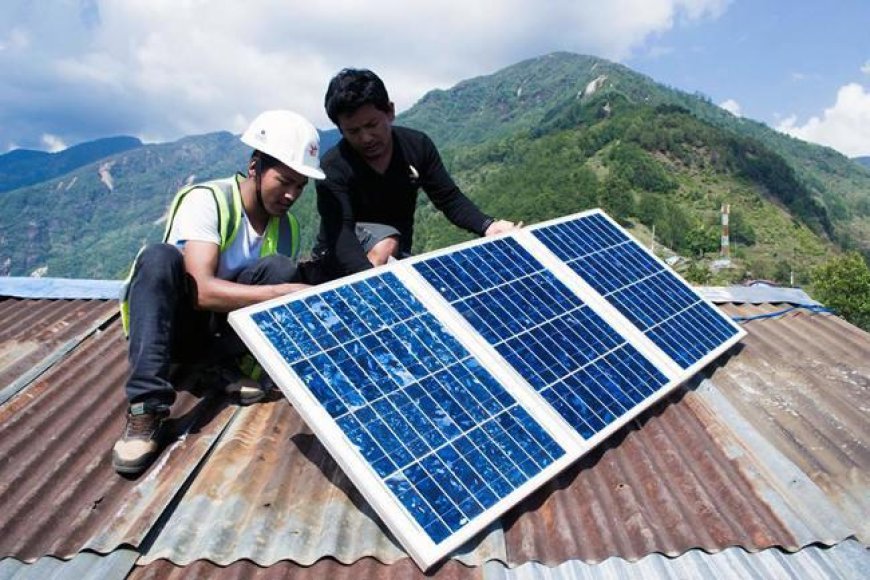
Many villages in Nepal still rely on kerosene lamps and diesel generators, but the 2024 market offers affordable solar home system Nepal options that can change that picture.
Typical kit components
A standard kit includes a 100 W–200 W solar panel, a 12 V lead‑acid or lithium battery, and a charge controller that meets IEC 62446 requirements. In 2024 the price for a 100 W kit is about NPR 13,500 and for a 200 W kit around NPR 19,000, according to the SolarAid Nepal price list (https://solaraidnepal.org/price-list-2024.pdf) and recent quotes from local distributors.
Finding certified suppliers
Two reputable suppliers with verified 2024 price lists are Surya Solar (Pokhara) – price list https://suryasolar.com/price-list-2024.pdf – and Solar Power Nepal (Kathmandu) – catalogue https://solarpowernepal.com/catalogue-2024.pdf. Both companies are listed among the NEA‑approved providers (https://nea.gov.np/sites/default/files/2024-approved-solar-providers.pdf).
Installation checklist
Site survey
Walk the intended location, note shading from trees or hills, and measure the roof or ground area. Record the tilt angle that receives the most sun between 9 am and 3 pm.
Structural assessment
Check that the mounting surface can hold the panel’s weight, typically 15–20 kg for a 200 W panel. Reinforce rafters if needed, using steel brackets approved by the Ministry of Energy checklist (https://energy.gov.np/installation-checklist-2024.pdf).
Mounting
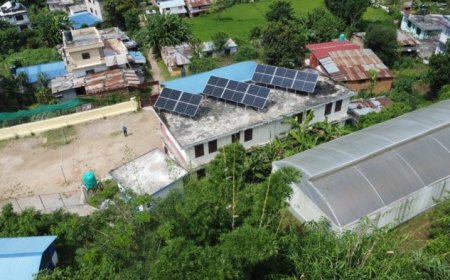
Attach the mounting rails with stainless‑steel bolts, ensuring a 10‑degree tilt for optimal winter production. Secure the panel with anti‑theft clamps to prevent theft in remote areas.
Wiring
Run MC4‑type cables from the panel to the charge controller, keeping the cable length under 5 m to minimise voltage drop. Use UV‑protected conduit for outdoor runs.
Battery connection
Connect the battery terminals to the controller following the polarity markings. Tighten the connections and install a fuse near the battery as required by IEC 62446.
System testing
Turn on the system, verify that the charge controller shows correct voltage, and measure the battery voltage after a few hours of sun. Check that the load works without abnormal noises.
Safety precautions
Wear insulated gloves, turn off the system before any adjustment, and keep a fire extinguisher nearby. Follow the NEPA safety guidelines released in the 2023‑2024 amendment (https://nepalenergy.gov.np/nepa-amendment-2024).
Regulatory compliance
All off‑grid solar home systems must be registered with the Nepal Electricity Authority (NEA) and meet the 2024 NEPA licensing requirement. The system should comply with IEC 62446, which covers performance, safety and labeling. The Ministry of Energy’s 2024 installation checklist (linked above) must be signed by a certified installer before the system is commissioned.
Net‑metering eligibility
Under the 2024 NEA policy, households that generate surplus electricity can apply for net‑metering. Required documents include a copy of the system’s certification, the installer’s license, and a site plan. The current surplus tariff is NPR 4 per kWh exported, as stated in the NEA tariff sheet (https://nea.gov.np/tariff-2024.pdf). Applications are processed within 30 days.
Financing options
The government offers a subsidy of up to 30 % for rural households, reducing the upfront cost dramatically. The subsidy details are published in the Ministry of Energy notice 2024 (https://energy.gov.np/subsidy-notice-2024.pdf). Micro‑finance partner NABARD Nepal provides solar loans at 7 % APR, with repayment terms up to 36 months (https://nabard.gov.np/solar-loan). NGOs such as SolarAid also run pay‑as‑you‑go models, where users pay a small daily fee until the system is fully paid.
Post‑installation maintenance
Inspect the panels monthly for dust or bird droppings, and clean them with a soft brush and water. Check battery water levels (if lead‑acid) every three months and replace the battery after five years. Warranty terms are typically three years for the panel and five years for the battery; verify the warranty certificate from the supplier.
Local service centers in Pokhara, Biratnagar and Kathmandu stock spare parts such as charge controllers and fuses, ensuring quick repairs.
Conclusion
Installing an affordable solar home system Nepal not only cuts electricity bills but also supports the country’s renewable energy goals. By following the checklist, using certified suppliers, and taking advantage of subsidies or micro‑finance, rural families can achieve reliable power with minimal hassle.
What's Your Reaction?