











UPI in Nepal 2026: What Works, What's Pilot, and What to Carry
As of September 2026, UPI person-to-person transfers from India to Nepal are in a pilot phase with select Indian banks, but merchant QR payments via Fonepay or NepalPay are not yet confirmed by any regulator. Indian travellers should carry cash, RuPay/international cards, and use bank transfers for large payments. This guide breaks down what's live, what's pending, and how to verify status before you travel.

Status box (verified as of 28 September 2026)
- P2P UPI (India → Nepal): Pilot phase — NPCI International press release dated 12 February 2026 ("NPCI International Launches UPI Pilot for India-Nepal P2P Remittances"), naming NCHL as Nepal-side settlement partner.
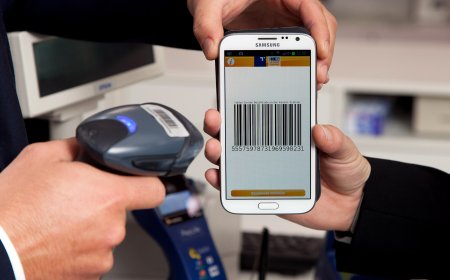
- Merchant QR acceptance (Indian UPI app → Fonepay/NepalPay QR): Not confirmed by Fonepay, Nepal Rastra Bank, NCHL, or NPCI International as of this date.
- Nepal → India P2P: Not live; no regulator circular or NPCI International release confirms this direction.
- RuPay card acceptance at Nepal POS/ATMs: Confirmed via Nepal Rastra Bank Payment Systems Circular No. 12/079/80 dated 16 July 2023; no newer NRB circular on RuPay or the UPI corridor has been issued as of September 2026.
Indian travellers landing in Kathmandu or Pokhara today will hear two different stories about UPI in Nepal. One says you can scan any Fonepay QR and pay straight from PhonePe or Google Pay. The other says the corridor is still a pilot, merchant QR is not enabled, and you should carry cash. This piece separates what regulators and operators have actually confirmed from what circulates on travel blogs, and tells you what to pack in your wallet.
What the regulators have put on record
NPCI International, the subsidiary that handles cross-border UPI, announced a pilot for person-to-person transfers from India to Nepal on 12 February 2026. The release named participating Indian banks and noted that Nepal-side settlement runs through Nepal Clearing House Ltd (NCHL), which operates the NepalPay instant rail. Fonepay Payment Service Ltd runs the separate Fonepay QR network used by merchants across the country. As of late September 2026, neither NCHL nor Fonepay has published a notice stating that Indian UPI apps can scan their merchant QR codes. Nepal Rastra Bank has issued no circular authorising that flow either.
What is verifiably live right now
- P2P pilot (India → Nepal): Customers of participating Indian banks — currently State Bank of India, HDFC Bank, ICICI Bank, Axis Bank, and Punjab National Bank — can send money to a Nepal mobile number or bank account via their UPI app. The recipient receives funds in a Nepal wallet or bank account settled through NCHL. The option may not yet appear in every UPI app; check your bank's latest app update. This is a pilot — limits, availability, and participating banks may change.
- RuPay cards: RuPay debit and credit cards work at POS terminals and ATMs displaying the RuPay logo in Nepal. This is a card rail, not UPI QR.
- Existing remittance channels: Bank wire, money-transfer operators, and bank-to-bank retail payments via NCHL's connectIPS continue to operate as before.
What is pilot, pending, or unconfirmed
- Merchant QR (Indian UPI app → Fonepay/NepalPay QR): No Tier-1 source (NPCI International, Nepal Rastra Bank, NCHL, Fonepay) has confirmed this is live. The QR-scanning claims trace back to travel blogs and aggregator sites; no operator has confirmed them.
- Nepal → India P2P: No regulator circular or NPCI International release confirms this direction.
- Per-transaction limits, daily caps, FX markup, settlement timing, failure/escalation route, minimum app version, SIM/roaming/data dependency: All unconfirmed for the cross-border pilot. The pilot FAQ from NPCI International (February 2026) did not publish these details. Treat them as unknown until the issuing body updates its documentation.
What Indian travellers should carry instead
Until merchant QR acceptance is confirmed by Fonepay, NCHL, or Nepal Rastra Bank, plan on three fallbacks:
- Cash in Nepalese rupees (NPR): Still the most widely accepted medium, especially outside major hotels and chain outlets. Exchange at authorised counters in Tribhuvan Airport or city banks; keep small denominations for taxis and local shops.
- RuPay or international debit/credit cards: Visa and Mastercard work at most urban POS terminals and ATMs. RuPay cards avoid foreign-markup fees on the Nepal side where the network is enabled; your Indian issuer may still apply its own forex markup — check with your bank. Notify your bank of travel dates. At Nepali ATMs, Indian cards typically incur a per-withdrawal fee of NPR 200–500 plus your bank's forex markup; daily withdrawal limits at Nepali ATMs are often NPR 35,000–50,000.
- Remittance apps or bank transfer: For larger payments — hotel deposits, tour packages — use a bank wire or a licensed money-transfer operator. The Nepal-side beneficiary will receive funds in NPR via NCHL's connectIPS (a bank-to-bank retail payment system) or their bank.
How to check status yourself before you travel
Bookmark these official pages and check them a week before departure:
- NPCI International – Cross-border UPI section
- Nepal Rastra Bank – Payment Systems circulars
- NCHL – NepalPay and connectIPS notices
- Fonepay – Merchant and consumer announcements
If a new circular or press release appears confirming merchant QR, the pilot will have graduated. Until then, treat QR scanning as unproven and carry the fallbacks above. For more on handling money on arrival, see our Nepal money & ATM basics and Kathmandu arrival guide.
This article reflects public regulator and operator releases up to 28 September 2026. It does not constitute financial advice; verify limits and fees with your bank before transacting.
What's Your Reaction?