




Does Insurance Cover Flood Damage in Nepal? What Policyholders Need to Know
Flood damage coverage in Nepal varies widely by policy type and insurer. This guide explains what home, motor, and business policies typically cover, common exclusions, claim timelines, and how to verify your own coverage before the next monsoon.

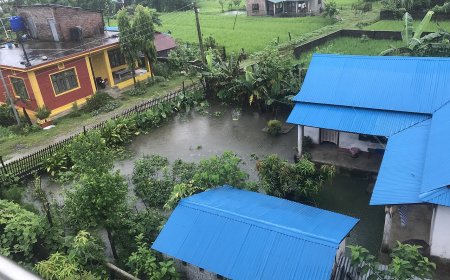
Monsoon season brings recurring flood risk across Nepal, yet many policyholders only discover what their insurance actually covers after water has already entered their homes or businesses. The short answer: it depends entirely on the policy you bought, the insurer you chose, and whether you added specific endorsements. Standard property and motor policies often treat flood differently — sometimes as a named peril, sometimes as an exclusion unless you pay extra.
Which policies might respond to flood damage
Home insurance in Nepal is not standardized. Some comprehensive home policies include flood as a covered peril, but many treat it as an optional add-on with a separate premium. If you hold a fire-only policy, flood is almost certainly excluded. Business interruption and commercial property policies follow the same pattern — check the schedule and endorsements.
Motor insurance is clearer. A comprehensive private car or two-wheeler policy typically covers flood damage to the vehicle, subject to the policy's terms on water ingress and engine protection. Third-party-only policies do not cover own damage at all.
Agricultural and livestock insurance schemes, often subsidized through government programmes, may include flood coverage for crops and animals. The terms vary by scheme and implementing agency.
Common exclusions and grey areas
Even when flood is nominally covered, policies frequently exclude damage caused by gradual seepage, rising groundwater, or lack of maintenance. Some wordings distinguish between "flood" (overflow of natural water bodies) and "water damage" (burst pipes, roof leaks) — the latter may be covered under a different clause. Landslide triggered by heavy rain is another peril that sometimes sits in a separate endorsement.
Deductibles for flood claims are often higher than for fire or theft. A policy might impose a compulsory excess of 5% of the sum insured or a fixed amount per event. Read the excess clause carefully.
Claim intimation and documentation timelines
Most insurers require immediate intimation — usually within 24 to 48 hours of discovering the loss. Delay can prejudice the claim, though the Nepal Insurance Authority (NIA) has issued circulars reminding insurers that reasonable delays due to disrupted communications during disasters should not be grounds for automatic rejection. Keep a record of when and how you notified the insurer (call reference, email timestamp, SMS).
Documentation typically includes: a completed claim form, photographs and videos of the damage before any cleanup, a police or ward office report if available, repair estimates from licensed contractors, and proof of ownership or tenancy. For motor claims, a surveyor's report is mandatory before repairs begin.
The survey and settlement process
After intimation, the insurer appoints a surveyor. In widespread flood events, surveyor availability can become a bottleneck. The NIA has directed insurers to expedite surveys in disaster zones, but there is no fixed statutory timeline published in a single accessible directive. Policyholders should follow up in writing and retain all correspondence.
Settlement is usually on an indemnity basis — the cost to repair or replace, less depreciation and the applicable excess. Some policies offer reinstatement value (new for old) for buildings if specifically endorsed. Cash settlement versus repair through empaneled vendors is another choice that affects speed and quality.
Where to verify your specific coverage
Do not rely on general articles or agent assurances. Download the full policy wording — including the schedule, endorsements, and any riders — from your insurer's website or request a certified copy. Major insurers in Nepal such as Nepal Life, Himalayan General, NLG, Sagarmatha, and others publish specimen wordings online. Compare the flood clause across at least two products before renewing.
The NIA maintains a register of licensed insurers and their approved products. Their website (nia.gov.np) also hosts circulars and guidelines issued to the industry. While individual circulars carry notice numbers and dates, the general regulatory stance is that policy terms must be clear, fair, and communicated at point of sale.
Practical steps before the next monsoon
- Review your policy now — not when water is rising.
- Confirm whether flood cover is included, excluded, or available as an add-on.
- Ask your insurer for the exact clause reference and any sub-limits.
- Store digital copies of policies, receipts, and property photos in cloud storage.
- Know your insurer's 24-hour claim hotline and the email for written intimation.
Flood damage can be devastating, but the financial shock is compounded when coverage gaps appear at claim time. A few hours reading your policy today can save months of dispute later.
What's Your Reaction?