



Cost of Living in Japan for Nepali Students and Workers: How to Check the Numbers in 2026
A 2026 framework for checking the cost of living in Japan: the categories that decide your budget, and the official sources that publish current figures for international students and workers from Nepal.

If you are planning to study or work in Japan and you are starting from Nepal, the first question is usually the same one: what does it actually cost to live there? The honest answer is that no single monthly figure survives contact with reality. Costs change by city, by whether your school or employer provides housing, by how long you have been there, and by the exchange rate on the day you send money home. What this guide does is map the cost categories you need to check and the official places where the current numbers live.
It does not hand you a budget total. A fixed monthly figure is worth treating with suspicion unless it comes with a date and a source.
Housing is the category that decides everything else
Rent takes the biggest bite, and in Japan the headline rent is rarely the full upfront cost. Many landlords ask for a deposit, an agency fee and a guarantor company fee, and key money is still requested in plenty of cases. Student dormitories and company housing usually strip out most of that, which is why they are worth chasing early.
Before comparing rents, check what is included: utilities, internet, furniture, and how far the place sits from your campus or workplace. A cheaper flat an hour away can cost more once a commuter pass is added on.
Utilities, internet and phone
Electricity, gas and water are usually billed separately, and some apartments require you to open a gas or electricity account in your own name. Winter heating pushes bills up sharply in colder regions, and older buildings with poor insulation are the worst offenders. Mobile and home internet contracts often come with a term commitment, so read the cancellation terms before signing anything.
Food, transport and everyday spending
Cooking at home versus buying prepared meals is the biggest lever on a food budget. Check whether the shelf price includes consumption tax, because store practice varies. Rail operators sell commuter passes, and student commuter passes are a standard product on many lines, though the discount depends on the operator and the route.
Student fees, visa and administrative costs
Tuition depends on whether the institution is national, public or private, and on the programme. Application, entrance and examination fees are usually separate line items, so ask the school for a full cost sheet rather than a single tuition number. On the immigration side, fees and procedures are set by the Immigration Services Agency of Japan, and they do change from time to time. Check the agency and the Embassy of Japan in Nepal for the position that applies on the day you apply.
Health insurance
Japan's public health insurance covers residents, but which scheme applies to you depends on your status and on whether your employer or school enrols you. Ask your host institution or employer which scheme you fall under and what the monthly contribution is. This is a recurring cost, not a one-off, and it belongs in the same column as rent.
Where to check the numbers
A few starting points are worth bookmarking. The Japan Student Services Organization, JASSO, publishes guidance for international students. MEXT handles government scholarships and related information. The Immigration Services Agency of Japan is the authority on status and procedures. The Statistics Bureau of Japan publishes the consumer price index and the family budget surveys, which is where the actual cost-of-living data sits. Your university's international office and your employer's HR team will know local specifics better than any general guide.
Treat any figure you find without a date as unusable.
Comparing Kathmandu and Tokyo without fooling yourself
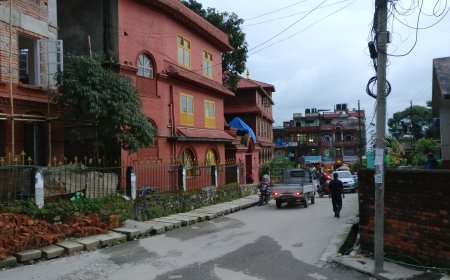
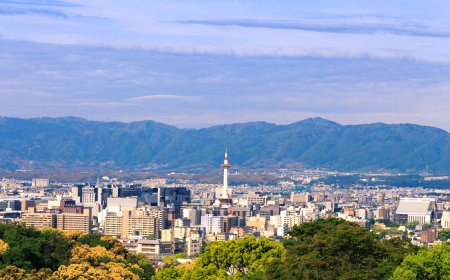
Comparing Kathmandu and Tokyo living costs is a useful exercise, but only if you compare like with like. Go category by category: rent, utilities, transport, food, insurance. Note what your current household covers that you would suddenly be paying for yourself, such as meals or a room. Convert at the rate you would realistically get on the day, and write that date next to the number, because the rate in a search engine is rarely the rate you receive.
A short pre-departure checklist
- Ask your school or employer for a written list of what they cover and what you pay.
- Confirm housing, deposits and upfront fees before accepting an offer.
- Get current fees from the Immigration Services Agency and the Embassy of Japan in Nepal.
- Ask which health insurance scheme applies to you and what it costs each month.
- Recalculate everything at today's exchange rate, then add a buffer for setup costs.
Costs in Japan are checkable. They are just not guessable, and the gap between those two things is where most pre-departure budgets fall apart.
What's Your Reaction?