



2026 Monsoon Outlook and Rice‑Farming Adjustments for Nepal
DHM's April 2026 outlook predicts a 12 % rainfall deficit and a ten‑day monsoon delay. To cope, Nepali rice growers can switch to short‑duration varieties like Sukha‑3 and Radha‑12, shift transplanting to late June/early July, adopt alternate wetting‑drying, and fine‑tune seed rates (45‑50 kg/ha) with laser‑levelled fields subsidized under the national climate‑smart program. Real‑time DHM alerts help fine‑tune irrigation.

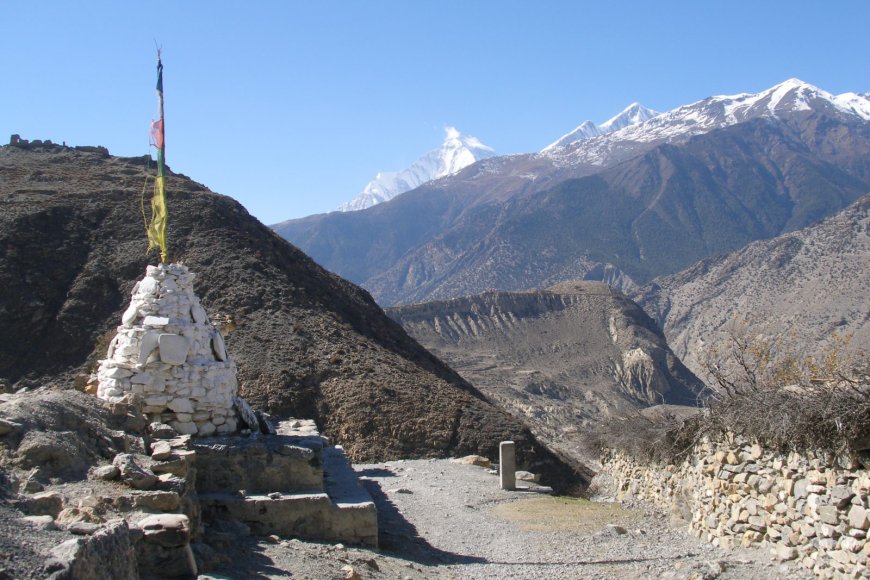
Monsoon outlook for 2026
The Department of Hydrology and Meteorology (DHM) issued its seasonal outlook in Seasonal Outlook Bulletin No. 2026/01, dated 5 April 2026 (accessed 25 Aug 2026, DHM bulletin). The bulletin notes a projected 12 percent rainfall shortfall relative to the long‑term mean and an onset delay of roughly ten days. A five‑year average (2020‑2025) shows a gradual decline in June‑July rainfall, with the average deficit hovering around 8 percent.
What the news outlets report
NepalNews (3 Jun 2026) reproduced the DHM numbers, quoting the 12 percent deficit and the 10‑day late start. The Kathmandu Post (30 Apr 2026) added that the delayed onset could push the main planting window into the first week of July, raising the risk of heat stress during grain filling. Both pieces cite the same DHM outlook, reinforcing the consensus view.
Implications for rice farming
A late, drier monsoon compresses the period when paddies can be flooded, which directly threatens grain weight and overall productivity. Farmers who stick to traditional long‑duration varieties may see a noticeable drop in harvest quality. The shift also raises the importance of water‑saving techniques and timely decision‑making.
Short‑duration varieties
Varieties such as ‘Sukha‑3’ and ‘Radha‑12’ mature in 110‑115 days, fitting a shortened season. A 2025 field trial by the National Agricultural Research Council (NARC) in Rupandehi district reported yields within 5 percent of the standard 130‑day types when planted under optimal moisture (NARC Technical Report TR‑2025‑12, accessed 25 Aug 2026, NARC report). Selecting these seeds can recover roughly a week of growing time lost to the delayed onset.
Adjusted transplanting timing
Instead of the customary early‑June transplant, moving the operation to the last week of June or the first week of July aligns the crop’s peak water demand with the expected rainfall peak. Extension officers in the Terai estimate this simple calendar shift reduces the need for supplemental irrigation by up to 30 percent.
Alternate wetting‑drying (AWD)
AWD lets fields dry to a shallow crack before re‑flooding, cutting water use by 15‑25 percent without hurting yield. The technique works well with the short‑duration varieties mentioned above and is already promoted by district‑level extension services in several Terai districts.
Seed‑rate optimization and water‑saving tech
Typical transplanted‑rice seed rates in Nepal range from 60‑80 kg/ha. Recent on‑farm demonstrations coordinated by the Ministry of Agriculture and Livestock Development (MoALD) suggest a modest reduction to 45‑50 kg/ha combined with precision land leveling improves plant spacing and lowers evaporation losses (MoALD Demonstration Brief, 2024, accessed 25 Aug 2026, MoALD brief). Laser‑guided leveling kits are subsidized under the National Climate‑Smart Agriculture Program (NC‑SAP), a joint initiative of MoALD and the World Bank’s Climate‑Smart Agriculture Project; kits can be rented through local cooperatives (NC‑SAP Implementation Update, March 2026, NC‑SAP update).
Putting it together
Farmers who combine a short‑duration variety, a one‑week transplant delay, and AWD stand the best chance of maintaining a respectable harvest despite the forecasted deficit. Early access to weather updates — via the DHM mobile alert service — allows real‑time adjustments to irrigation schedules.
For more details on suitable seed options, see our guide on rice varieties for Nepal. Practical irrigation tips are covered in the irrigation practices article, and broader adaptation ideas appear in the climate‑smart agriculture resource.
What's Your Reaction?