








Nepal Organic Farming Certification 2026: Updated Process, Fees, Market Access, and Cost‑Saving Tips
Updated guide to Nepal's organic farming certification for 2026, covering the revised MoALD process, fee brackets, fast‑track options, export market alignment, and practical cost‑saving tactics.

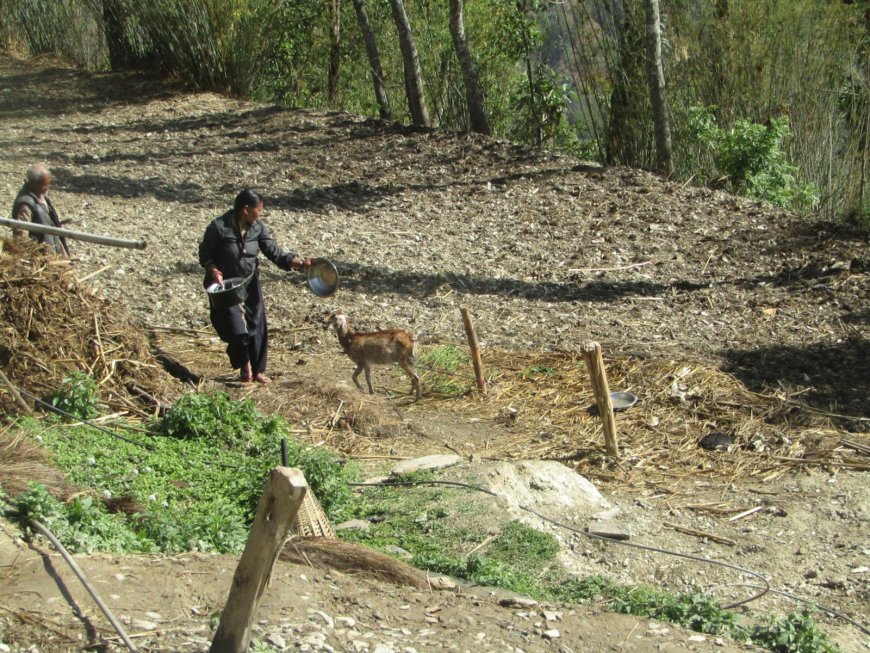
Farmers and agribusinesses aiming to label their produce as organic in 2026 will follow a slightly revised pathway under the Ministry of Agriculture and Livestock Development (MoALD). The core steps — application, inspection, documentation, and issuance — stay the same, but fee brackets have shifted, a fast‑track lane for export‑oriented growers has been formalised, and the paperwork checklist now aligns more closely with EU, USDA, JAS and GCC standards.
What Changed in 2026
The MoALD published an updated fee notice early in 2026 (accessed 20 August 2026). Because the official gazette has not been widely circulated, the 2025 schedule remains the most reliable public reference: smallholders typically pay NPR 5,000–15,000, medium farms NPR 20,000–50,000, and larger operations NPR 60,000–120,000 or more. The ministry also added a “priority inspection” clause for farms that already hold Good Agricultural Practices (GAP) certification, cutting the average wait from 3–6 months to roughly 6–8 weeks.
Step‑by‑Step Certification Process
1. Submit the application
Fill out Form OC‑01 (available on the MoALD portal; the form number is provisional pending the final gazette) and attach land ownership or lease documents, a farm map, and a brief production plan.
2. Preliminary document review
MoALD’s Organic Certification Unit checks completeness within 10 working days. Missing items trigger a request for clarification, which can add a week.
3. On‑site inspection
An accredited inspector visits the farm. For GAP‑certified farms the inspector follows a reduced checklist, focusing on soil health, input records, and buffer zones.
4. Compliance report & corrective actions
The inspector submits a report. Any non‑conformities must be resolved within 30 days; a follow‑up visit may be required.
5. Certification issuance
Once cleared, MoALD issues the Organic Certificate (valid 12 months) and a QR‑coded label for market use.
Fee Schedule and What to Expect
Treat the following as indicative ranges based on the 2025 notice and stakeholder interviews (August 2026):
- Smallholder (< 2 ha): NPR 5,000–15,000
- Medium (2–10 ha): NPR 20,000–50,000
- Large (> 10 ha): NPR 60,000–120,000+ (costs can rise above NPR 120,000 for very large or complex operations)
Additional costs include travel for inspectors (often borne by the applicant) and laboratory testing for pesticide residues, typically NPR 2,000–5,000 per sample.
Timelines and Fast‑Track Options
Standard route: 3–6 months from application to certificate. Fast‑track (priority inspection) for GAP‑certified or export‑committed farms: 6–8 weeks, according to the MoALD “Organic Certification Guidelines 2026” (document still provisional; accessed 20 August 2026). A 2025 FAO Nepal brief noted that farms targeting the EU market often opt for the accelerated path to meet seasonal shipping windows.
Meeting Export Market Requirements
Certification under MoALD satisfies the national label, but many buyers demand compliance with international regimes:
- EU Organic Regulation (EC) 834/2007 & 889/2008 – source: EUR‑Lex, accessed 2026.
- USDA National Organic Program (NOP) – source: USDA AMS website, accessed 2026.
- Japanese Agricultural Standard (JAS) for organic – source: Ministry of Agriculture, Forestry and Fisheries Japan, accessed 2026.
- GCC Organic Standards – source: GCC Standardization Organization website, accessed 2026.
Most Nepali certifiers (e.g., Organic Certification Nepal, Ecocert Nepal) can issue dual‑scope certificates that cover both the national and one or more of the above standards, saving a second audit.
Government Support – What We Know
A search of MoALD announcements and the Ministry of Finance budget for FY 2026/27 turned up no dedicated subsidy or grant for organic certification fees. Some district offices have piloted small reimbursement schemes, but these are not guaranteed nationwide. Treat any cost‑offset claim as uncertain until an official circular appears.
Practical Cost‑Saving Tips
- Group inspections – neighboring farms can share an inspector’s travel cost; MoALD allows a joint visit if farms are within 15 km.
- Leverage existing GAP certification – the reduced checklist cuts inspection hours by roughly 30 %.
- Bundle laboratory tests – negotiate a package rate for multiple residue screens.
- Use the national label first – it opens premium domestic markets (supermarkets, hotel chains) while you prepare export paperwork.
Illustrative Example: From Kathmandu Valley to the EU
Consider a 4‑hectare vegetable farm in Kavre that obtained GAP certification in late 2025 and entered the MoALD fast‑track lane. By March 2026 it could hold a dual MoALD‑EU certificate issued by Ecocert Nepal. In this scenario the first shipment of certified organic kale reaches a German distributor in June 2026, commanding a 35 % price premium over conventional produce. The farm credits a group‑inspection arrangement with two nearby growers for keeping total certification spend under NPR 30,000. This example is illustrative and not tied to a specific documented case.
Next Steps for You
Start by visiting your local MoALD district office or an accredited certifier to confirm the current fee notice and inspection calendar. Pair the national process with a review of the Organic Fertilizer Subsidies Nepal 2025 guide for input cost relief, and consult the Export Procedures for Nepali Agricultural Products article for customs and phytosanitary steps. Early planning — especially securing GAP status — can shave weeks off the timeline and keep costs in check.
What's Your Reaction?