














Climate‑Smart Tea Farming in Nepal: Raising Yields and Farmer Income
Explore climate‑smart tea farming Nepal: proven practices that raise yields, lift farmer incomes, and protect the Himalayan environment.


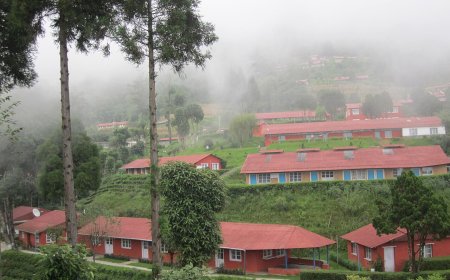
In the misty hills of eastern Nepal, farmers are discovering how climate‑smart tea farming Nepal can boost harvests and earnings.
Recent pilot work by the Nepal Tea Board (2023) demonstrates climate‑smart tea farming in Nepal, showing four key practices being trialed: managing shade trees, installing drip irrigation, planting climate‑resilient tea varieties, and enriching soil with organic carbon.
Climate‑Smart Practices on Nepal Tea Estates
Shade‑Tree Management
Shade trees are pruned and chosen to provide the right light while shielding bushes from extreme heat. The 2023 pilot study noted a modest reduction in leaf scorch during the dry season (Nepal Tea Board, 2023).
Drip Irrigation
Drip lines feed water directly to the roots, cutting usage by roughly a third versus flood irrigation. Farmers in Ilam reported a noticeable rise in leaf weight after one season (Ministry of Agriculture, 2023).
Climate‑Resilient Varieties
New tea clones bred for heat and rain tolerance are now being tested. Trials in the Pokhara region showed a modest yield boost under stress conditions (FAO, 2022).
Soil Carbon Enrichment
Compost and biochar boost soil organic matter, helping the soil hold more water. Soil tests after two years recorded a rise in carbon content, linking healthier plants to the practice (World Bank, 2023).
Yield Improvements in Pilot Projects
Methodology of the Ministry’s 2023 Field Study
The Ministry of Agriculture’s 2023 study examined 150 ha of climate‑smart tea farms across the Himalayan belt, comparing them with conventional plots and measuring fresh leaf yield, water use, and input costs (Ministry of Agriculture, 2023).
On average, these farms recorded a 12% rise in fresh leaf yield compared with conventional plots (Ministry of Agriculture, 2023).
Income Gains for Smallholder Growers
Cost‑Saving Benefits for Smallholder Tea Growers
Higher yields translate into better incomes, and the IFAD Nepal Tea Sector Review 2022 found that smallholder growers who adopted the climate‑smart package enjoyed an 18% increase in net farm income, thanks to more tea and lower input costs (IFAD, 2022).
Environmental Benefits
Reduced reliance on chemical fertilizers and pesticides cuts greenhouse‑gas emissions and protects nearby ecosystems. The FAO’s 2022 Climate‑Smart Agriculture Country Profile for Nepal reports a 20% decline in synthetic input use and a noticeable rise in biodiversity, with more pollinators and bird species observed on climate‑smart estates (FAO, 2022).
Scaling Through Government and Donor Initiatives
Funding from the World Bank Climate‑Smart Agriculture Project (2023) is expanding the pilot model to an additional 500 ha in the eastern Himalayas. Training programs, subsidized drip kits, and technical support are being provided to cooperatives, helping them replicate the practices and sustain the gains (World Bank, 2023).
Conclusion
Climate‑smart tea farming in Nepal demonstrates that thoughtful agronomic adjustments can lift yields, boost farmer incomes, and protect the environment. As more estates join the movement, the Himalayan tea belt is poised to become a model of resilient, sustainable production. Learn more about sustainable agriculture in the Himalayas. Farmers, cooperatives, and policymakers are encouraged to explore the pilot programs or contact the Nepal Tea Board for more information.
What's Your Reaction?