
Dashain 2026: Dates, Daily Rituals, and What You Need to Know
Dashain 2026 runs 19 Sep–3 Oct (VS 2083). Official dates, day-by-day rituals, public-holiday window, tika muhurat explained, and visitor FAQ — all sourced from the Nepal Panchang Committee patro.

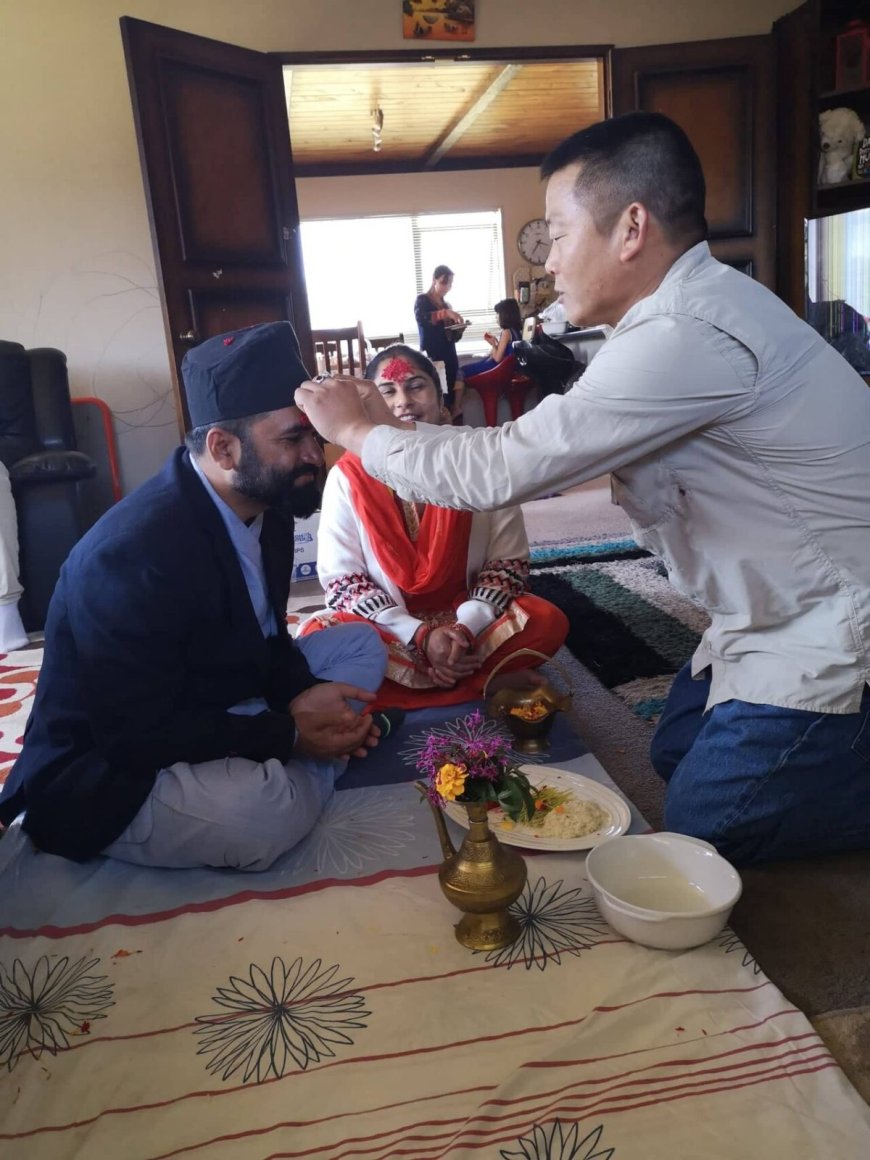
Every autumn, Nepal changes pace. Buses out of Kathmandu fill up weeks in advance, offices thin out, and the smell of freshly cut jamara drifts from courtyards. That stretch is Dashain 2026, or Bada Dashain, the biggest festival in the country's Hindu calendar. It falls in the Nepali month of Ashwin — this year Vikram Samvat 2083 — and because VS 2083 has no adhik maas (intercalary month), the festival lands squarely in late September rather than drifting into October.
Dashain 2026 dates at a glance
The official tithi sequence comes from the Nepal Panchang Committee (Nepal Calendar Determination Committee), whose patro is published at panchang.gov.np and in the printed Nepal Panchang each spring. Cross-check any website against that source before you book leave or tickets.
| Day | Date (2026) | Festival day | Notes |
|---|---|---|---|
| 1 | Sat 19 Sep | Ghatasthapana | Jamara sowing; festival opens |
| 7 | Fri 25 Sep | Fulpati | Sacred leaves brought home; state ceremony at Shital Niwas |
| 8 | Sat 26 Sep | Maha Ashtami | Durga in fiercest form; some households offer symbolic bali |
| 9 | Sun 27 Sep | Maha Navami | Main bali day at Taleju, Hanuman Dhoka, army barracks; tools/vehicles blessed |
| 10 | Mon 28 Sep | Vijaya Dashami | Tika, jamara, dakshina; family reunions peak |
| 15 | Sat 3 Oct | Kojagrat Purnima | Lakshmi vigil; festival closes |
Public-holiday window 2026
Government offices, courts, and banks close from Ghatasthapana (19 Sep) through Kojagrat Purnima (3 Oct) — 15 calendar days. Private companies often follow a shorter schedule (typically 7–10 days). If you're a visitor or non-Hindu employee, expect limited services, full hotels, and transport booked solid the weekends before and after Vijaya Dashami.
Why Nepal celebrates Dashain
The festival rests on a story most Nepali children hear long before they can read a panchang. The goddess Durga battles the buffalo demon Mahishasura for nine nights and kills him on the tenth day. That tenth day is Vijaya Dashami, the victory day, and it is the heart of the whole festival.
A second reading runs alongside it. In the Ramayana, Rama defeats Ravana and returns to Ayodhya, and that return is also marked on Vijaya Dashami. Good over evil, in both cases. Nepali households don't usually pick one version over the other. Grandmothers tend to tell both.
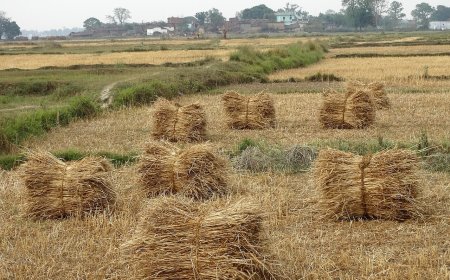
There's an older, more practical layer too. Dashain comes at the end of the monsoon, when rice is ripening and the hardest farm work of the year is nearly done. The goddess is honoured as Shakti, but also as the force behind a good harvest. For farming families, the festival has always doubled as a season marker.
And then there's the part that has little to do with theology. Dashain is when families reassemble. People working in the Gulf, Malaysia, or India try to time leave around it. Children get new clothes. Elders give tika, jamara and dakshina. Ask most Nepalis what Dashain means and they will describe a house full of relatives rather than a battle.
How the days unfold
Dashain doesn't begin with tika. It begins quietly, with a kalash.
Ghatasthapana (Day 1)
On the first day, a pot of holy water is set up in a room kept away from sunlight, and barley or maize seeds are sown in a bed of clean sand. This is jamara. Over the following days, the shoots grow pale and yellow in the dark, and they are worn behind the ear on Vijaya Dashami. Ghatasthapana is the formal opening of the festival.
Fulpati (Day 7)
Fulpati means sacred leaves, and the day is about bringing them into the house and blessing the jamara room. The Shah-era procession that once carried plants from Gorkha to Hanuman Dhoka was dropped after 2008; a modified state ceremony now takes place at Shital Niwas with the President receiving the Fulpati.
Maha Ashtami (Day 8)
Durga is worshipped in her fiercest form. Some temples and households still perform animal sacrifice, but many families now use ash gourd, coconut or other symbolic offerings instead. The main bali day, however, falls on Navami.
Maha Navami (Day 9)
This is the principal day for animal sacrifice at designated, licensed sites — Taleju Bhawani at Kathmandu Durbar Square, Hanuman Dhoka, and the army barracks. Tools, vehicles and machines are blessed in workshops and garages. Taleju temple traditionally opens to the public only on this day.
Vijaya Dashami (Day 10)
This is the day everyone travels for. Juniors receive tika — a mix of rice, yoghurt and vermilion — on the forehead from elders, along with jamara and a small gift of money. Households receive visitors from morning until evening, and in many homes the tika queue runs for hours.
Kojagrat Purnima (Day 15)
The festival closes on the full moon of Ashwin, known as Kojagrat Purnima. The name comes from the idea of staying awake: devotees keep a night vigil and worship Lakshmi. It is a much quieter day than Vijaya Dashami, and it formally ends Dashain for the year.
What the tika muhurat actually means
The auspicious window for Vijaya Dashami tika isn't worked out from the tithi alone. The panchang weighs the lunar day (tithi), the nakshatra, the yoga, the karana, and the day's subdivisions (hora, choghadiya) together. The Nepal Panchang Committee publishes a recommended window each year; in practice, plenty of families take tika whenever the elders are ready, treating the muhurat as guidance rather than a rule. It matters most for those who want to follow the calendar strictly.
Quick FAQ
- Which days are public holidays in 2026?
- 19 Sep – 3 Oct inclusive (15 days) for government offices and banks.
- Do banks and government offices close the whole period?
- Yes. ATMs may run cash-light; plan withdrawals early.
- What should a visitor or non-Hindu employee expect?
- Shops and restaurants operate reduced hours. Transport is packed the weekends of 19–20 Sep and 3–4 Oct. Accept tika politely if offered; it's a blessing, not a conversion.
- Where can I verify the dates myself?
- Check the Nepal Panchang Committee's patro at
panchang.gov.npor buy the printed Nepal Panchang 2083.
Dashain rewards a little patience. Read the patro, confirm the tithi, then go and stand in the tika queue like everyone else.
What's Your Reaction?