



Restricted-Area Trekking Permits in Nepal: How They Work, and What to Check Before You Pay
A practical, figure-free guide to Nepal's restricted-area trekking permits: which regions need one, why they must go through a licensed agency, the two-trekker and licensed-guide rules, how to read an itemised fee quote instead of trusting a number online, what voids a permit on the trail, and the questions to ask your agency before paying.

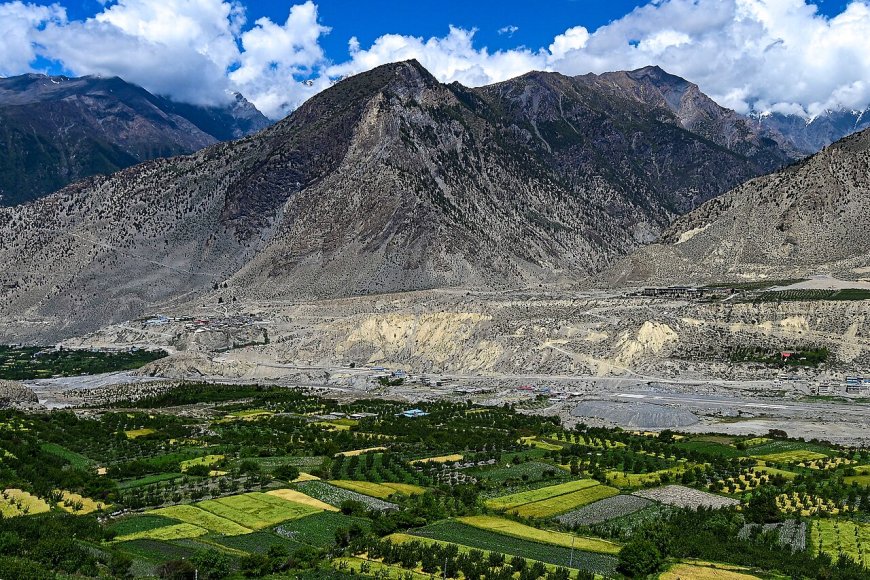
Upper Mustang, Manaslu, Kanchenjunga, Dolpo. These names come up whenever someone wants the Nepal trek that isn't Everest Base Camp. They also come with a piece of paperwork most trekkers have never dealt with: a restricted-area permit, sometimes called a controlled-area permit.
You can't sort this one out at a trailhead counter. It's arranged in Kathmandu, through a registered trekking agency, before you set off. Here's how the system actually works, and where to be careful.
What "restricted area" means
Nepal designates certain trekking regions as restricted. The usual reasons are cultural and strategic. Several of these areas sit close to the northern border and have Tibetan-influenced communities that the government has chosen to protect from heavy foot traffic. Others are simply remote enough that unregulated trekking would be hard to manage.
The main restricted areas have stayed fairly stable over the years: Upper Mustang, Upper Dolpo and Lower Dolpo, Manaslu and the Tsum Valley, Nar-Phu in Manang district, Kanchenjunga, Gaurishankar, and parts of Humla including the Simikot routes and Damodar Kunda. Smaller pockets exist too. If a trek is being sold as "restricted area", it should be on a list like this one, and your agency should be able to tell you exactly which permit covers it.
Note that a restricted-area permit is separate from the other permits a trek may need, such as national park or conservation area entry and the trekker information card. Those are usually cheaper and easier, and agencies bundle them together on one invoice.
Why you can't just apply for one yourself
Restricted-area permits are tied to a licensed trekking agency, and in practice the agency does the applying on your behalf. The rules that come with this are the part people underestimate.
First, these areas generally require a minimum of two trekkers. Solo trekking isn't allowed on a restricted-area permit as the rule is normally applied. If you're travelling alone, agencies will often pair you with another group, or arrange a second trekker on paper, sometimes at an extra cost. Ask directly how it will be handled in your case rather than assuming.
Second, you need a licensed guide, and the permit is issued against a specific itinerary: entry point, exit point, and a set number of days. The permit is not a general ticket to wander the region. Rangers and checkpoints along the route will check it, and a mismatch between your permit and where you are is a problem you don't want to be sorting out at 4,000 metres.
Third, the issuing office changes with government reorganisations. For years these permits were handled by the Department of Immigration in Kathmandu, and that's still the reference point many agencies use. Whether it's the same counter this season is not something I'd want you to take from a blog post, including this one. Your agency knows, because they queue there every week.
The fee question, and why there's no number here
Restricted-area fees are set by the government and quoted in US dollars, charged per trekking day or per block of days depending on the area. The rates vary sharply between regions. Upper Mustang is the famous expensive one; others cost much less per day.
I'm deliberately not printing figures, for a simple reason. These rates get revised, and a stale number in a blog post is worse than no number, because readers budget against it. What you should do instead is ask your agency for a written breakdown that separates each permit, names the area it covers, states the number of days and the per-day or per-block rate, and shows the total. If they can't put it in writing, that's your answer about the agency.
Also ask who the fee is paid to and what happens if your trek gets shorter or longer than planned. Extensions are usually possible but they mean a trip back to the office, more money, and lost days. Some permits can't be extended at all on the original paperwork.
What you'll need to hand over
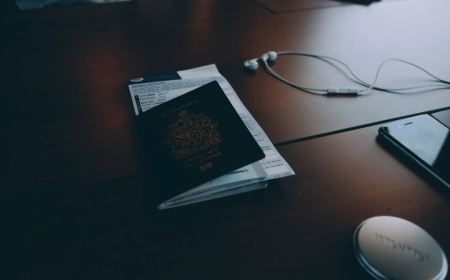
The paperwork itself is undramatic: passport copy, passport photos, a confirmed itinerary, your arrival and departure dates, and payment. Your agency assembles it. Processing normally takes a few working days, which means the permit is not a thing you arrange the night before your flight to Pokhara or Nepalgunj.
Two details that catch people out. The permit carries your passport number, so a passport replacement mid-trip means the old permit is void. And the dates on the permit are the dates. Arrive at the checkpost a day early and you may be told to wait, or to go back and get the permit amended.
On the trail
Carry the permit and a couple of copies. Checkpoints in these regions are real, and they're staffed. Your guide will normally handle the showing, but keep your own set.
Things that void or complicate a permit: leaving the named area, overstaying the listed days, switching to a different entry or exit point without an amendment, trekking without the licensed guide, and lending the permit to anyone else. None of these are hypotheticals. They come up, and the consequences range from a fine to being turned back.
Questions worth asking before you pay
Which permit, exactly, and which area does it cover? How many days does it run, and from which date? What's the total, itemised, with the per-day or per-block rate shown? Are conservation or national park fees included or separate? How is the two-trekker rule being satisfied for me? What's the agency's licence number? What happens if I need to extend or cancel?
Get those answers in writing and keep the email. It's the only fee document you'll have that's actually dated and specific to your trek.
One last thing
Restricted-area trekking is worth the hassle. Upper Mustang and the Dolpo routes are among the most striking landscapes in the country, and the permit system is a big part of why they still feel that way. Just treat the permit as part of the planning rather than an afterthought, budget from a written quote rather than a blog, and confirm the current rules with your agency and the government office handling it when you book. Rules in this corner of Nepali trekking do move, and the version that was true a few seasons ago may not be the version you're travelling under.
What's Your Reaction?