






Happy Birthday in Nepali: How to Say It (Devanagari, Romanized, English Meaning)
How to say happy birthday in Nepali: the standard जन्मदिनको शुभकामना (janmadinko shubhakamana), the respectful form with तपाईं and हार्दिक for elders and teachers, plus when to use शुभ जन्मदिन.

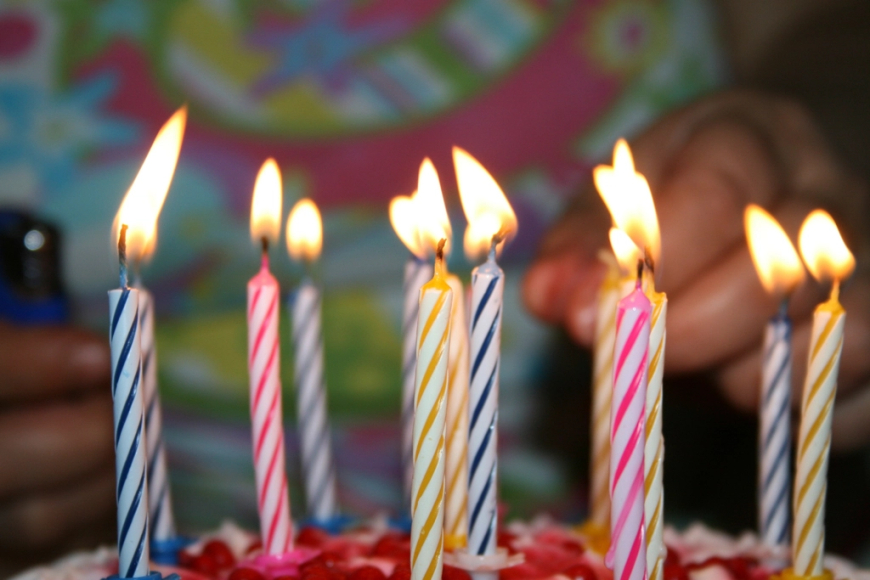
If you want to wish someone a happy birthday in Nepali, there is really one phrase you need, and a slightly longer version for people you want to show respect to. Both are below in Devanagari, in everyday Roman letters, and in plain English.
A quick word on the romanization first. I have written the Nepali the way people actually type it in messages and posts, not with diacritics. Long vowels are not marked, and a usually stands for the short schwa sound. Roman spellings of Nepali vary a fair bit from writer to writer, so if you see janmadinko spelled janmadin ko or janma-din-ko somewhere else, that is normal.
The all-purpose phrase: जन्मदिनको शुभकामना
Devanagari: जन्मदिनको शुभकामना
Romanized: janmadinko shubhakamana
Word by word: janmadin = birthday, -ko = of, shubhakamana = good wishes
English: Happy birthday, or birthday wishes
This is the one you will hear most. It works for a friend, a cousin, a colleague, the neighbour you chat with over the fence. Grammatically it is a noun phrase rather than a full sentence, something like birthday's good wishes, which is exactly why it slips into so many situations without sounding stiff. Put a name in front and you are done: राम, जन्मदिनको शुभकामना (Ram, janmadinko shubhakamana). Even just the phrase on its own, sent as a message, reads as a complete and warm wish.
For an elder, a parent or a teacher: add तपाईं and हार्दिक
Devanagari: तपाईंलाई जन्मदिनको हार्दिक शुभकामना
Romanized: tapainlai janmadinko hardik shubhakamana
Word by word: tapainlai = to you (respectful), janmadinko = of birthday, hardik = heartfelt, shubhakamana = good wishes
English: Heartfelt birthday wishes to you
Two things are doing the work here. तपाईं (tapain) is the respectful you, the one you use with parents, older relatives, teachers, anyone you are not on very familiar terms with. Using the familiar form with those people would come across as too casual. And हार्दिक (hardik) means heartfelt or warm, so it lifts a plain wish into something a bit more sincere. In writing, many people spell it hardik; you may also see haardik.
With a close friend you can drop the pronoun completely. Nepali does not need an explicit you in a wish like this, the context carries it perfectly well.
शुभ जन्मदिन, the other one you will see
Devanagari: शुभ जन्मदिन
Romanized: shubha janmadin
English: Happy birthday, literally auspicious birthday
This is a more word-for-word rendering of the English and it turns up constantly on cards, cakes and social media captions. Some Nepali speakers find it slightly translated-sounding compared with जन्मदिनको शुभकामना, but nobody will misunderstand it and plenty of people use it themselves. If you are writing on a cake, it is shorter and easier to fit.
If someone wishes you first
धन्यवाद (dhanyabad) is thank you, and धेरै धेरै धन्यवाद (dherai dherai dhanyabad) is a good step up, roughly thank you very, very much. That is usually all the reply you need.
About the Nepali calendar
Nepali dates generally run on Bikram Sambat, and the Bikram Sambat year sits roughly 56 to 57 years ahead of the Gregorian year, with Nepali New Year falling in mid-April. Which year you are counting in makes no difference to the wording of a birthday wish. It only matters if you are trying to write down the date itself, and for that it is worth checking a proper calendar converter, because the month lengths shift from year to year.
If you only take one line away from this, take जन्मदिनको शुभकामना. It is short, it is safe with almost anyone, and it is unmistakably a birthday wish.
What's Your Reaction?