





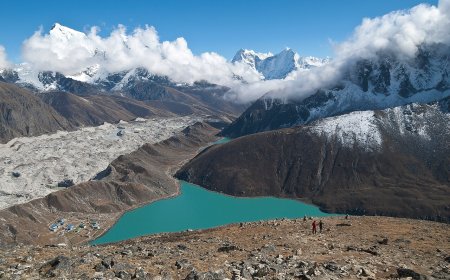

Jhinu Danda Hot Springs After the ABC Trek: What to Expect
Jhinu Danda hot springs, below Chhomrong on the ABC trek: walk times, daylight timing, pool fees and whether the stop is worth a night.

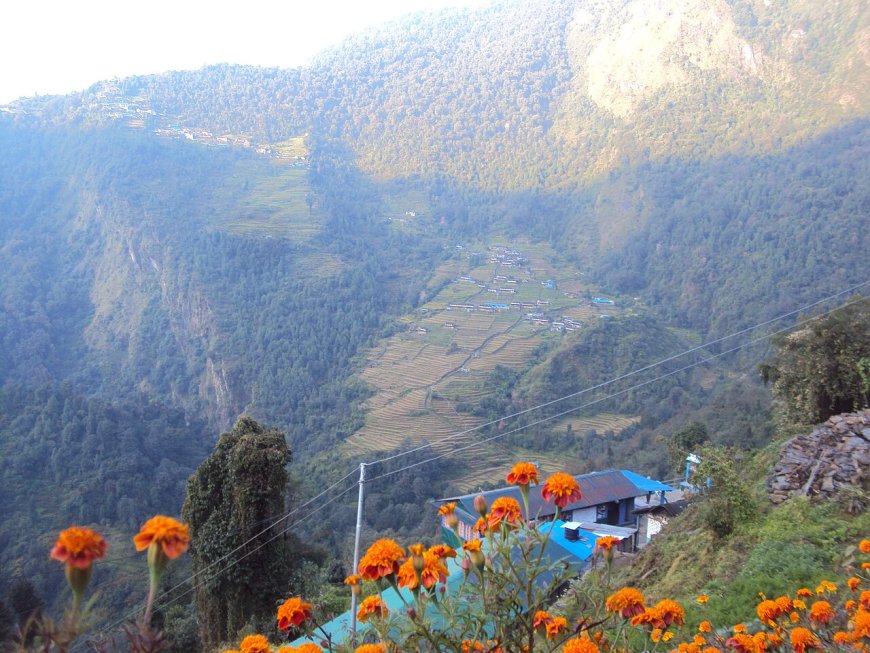
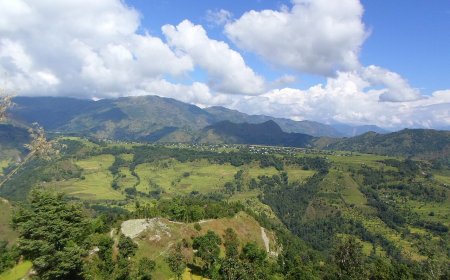
Coming down off the Annapurna Base Camp trail, the last thing most tired legs want is another climb. Jhinu Danda offers the opposite. The path drops away from the Chhomrong ridge, the forest closes in, and a short way below the village there are hot pools beside the river. Whether that is worth one of your remaining nights comes down to where you are coming from, what time you get there, and how much daylight you have left.
This is a decision guide, not a sales pitch. If you read only one section below, make it the timing one, because a soak after dark is not the same experience as a soak at four in the afternoon.
First, a name check: Jhinu Danda is not Tatopani
Nepal has several places called Tatopani, and the word itself just means hot water. Jhinu Danda is its own settlement on the Modi Khola corridor, and it is not the village most trekkers mean when they say Tatopani. Booking transport to the wrong one is the sort of mistake that costs a day.
Route position is the reliable way to tell them apart:
| Name you will see | Where it sits | What it is |
|---|---|---|
| Jhinu Danda | Modi Khola corridor, below Chhomrong, on the Annapurna Base Camp approach and return route | The hot pools described in this article |
| Tatopani (Kali Gandaki) | In the Kali Gandaki gorge on the road between Beni and Jomsom, a stop on the Annapurna Circuit and Poon Hill side | Village hot springs in a different valley entirely |
| Tatopani (Sindhupalchok) | Far to the east, near the northern border | An unrelated hot spring area |
If you are arranging a jeep or a teahouse by phone, say the route, not just the name. Confirm the pickup point locally before you pay anything.
Chhomrong to Jhinu Danda: the approach leg
From Chhomrong the trail descends almost continuously through bamboo and mixed forest, with stone steps for long stretches and a few short, unwelcome uphill pinches. It is not technically difficult. It is hard on the knees and hard on the quads after a week of trekking, which is exactly why people stop.
Walking time is roughly an hour and a half to two hours for most people going down, and longer with a heavy pack, a late start, or a trail still greasy after rain. Then there is a second leg that catches people out: the pools sit below the Jhinu Danda teahouses, about ten to fifteen minutes of steep stone steps down, and twenty to thirty minutes back up. That climb up is the one to budget for, especially the morning after.
Trail surfaces on this corridor change with monsoon damage, repair work and season, so treat any description as a guide and ask at your teahouse before you set off.
Timing: leave Chhomrong with daylight to spare
In November the sun goes around 5:15 to 5:30 pm, and the valley floor is darker earlier than that because of the hills on both sides. By about 4:45 the light is going, and the steps down to the pools become a headlamp job.
Working back from that: add your descent time, the walk down to the water, and the walk back up, and you want to be in Jhinu Danda village by around 2:30 pm. Leaving Chhomrong at midday gives you an unhurried afternoon. Leaving at 1 pm still works if you move steadily. If you roll in after 4 pm, do not force it. Sleep, soak in the morning, walk out after breakfast.
Mornings and late afternoons are the usual soaking times. Early morning is quieter and the water is at its best before the day's crowd arrives.
What the pools are actually like
Expect a modest natural set-up, not a spa. Rock-walled pools fed by a hot spring, the river a few steps away for cooling off, and a basic changing area. The state of the pools varies with the season, river levels and maintenance, so treat this as a starting point and check on arrival.
There is a small entry charge, collected in cash either at the pools or at a gate on the way down, and the amount has changed over the years. Carry small notes rather than a 1,000-rupee bill and confirm the current rate when you get there. Most teahouses will hold your main pack while you go down; take a dry bag or plastic bag for your clothes, and keep valuables with you rather than leaving them in a changing area.
The walk down to the water, and back up
The steps are steep, sometimes wet, and shaded for much of the day, which means they stay slick. Sandals or shoes with grip are better than flip-flops on the way down, even if you plan to change at the bottom. Coming back up in the dark with wet hair and a towel is unpleasant and mildly risky, so a small torch or your phone is worth carrying.
Is it worth it? A go or no-go by route
If you are descending from Annapurna Base Camp: usually yes, provided you have a spare night and you reach Jhinu before dusk. You are passing it anyway, and most ABC trek itineraries already use it as the last night before the walk out. The payoff is highest on day one or two after Base Camp, when the legs are at their worst.
If you are doing an out-and-back from Chhomrong: only if you have half a day to spare and do not mind retracing the climb back up to the ridge. It is a pleasant detour, not a destination on its own.
If you have a flight or a bus to catch: skip it. The exit leg takes real time, and cutting it fine on the descent is not worth a soak.
Best season for the pools
We are in the second half of autumn now, which is still high season on this corridor. Clear skies, busy teahouses, cold nights, and a soak that feels earned. Conditions hold through the rest of autumn before winter sets in.
Through winter the route stays open at these lower elevations, but nights are properly cold and some higher teahouses close. Snow up high can change your descent schedule. From spring the rhododendron brings the crowds back and water levels start to rise.
In monsoon, skip the pools. High, muddy water and landslip risk on the trail are not worth it.
Getting out: Jhinu Danda to Nayapul
Shared jeeps run toward the road head from the Jhinu side, and onward transport to Nayapul is usually arranged the evening before or on the morning itself. Vehicle availability, road condition and departure points shift with the season, so ask at your teahouse and confirm on the spot rather than relying on a schedule you read online. Road and jeep status on this stretch ages fast, so re-verify before you plan a tight connection.
Permits
The Annapurna Base Camp corridor sits inside the Annapurna Conservation Area. The entry permit (ACAP) is issued by the National Trust for Nature Conservation, which runs the Annapurna Conservation Area Project, and you can normally get it in Kathmandu or Pokhara as well as at checkpoints on the route.
A TIMS card has historically been part of the paperwork on this route, but the requirement has been revised more than once in recent seasons and it is not something to take on trust from a blog post. Check directly with the National Trust for Nature Conservation and the Nepal Tourism Board (which administers TIMS with the Department of Tourism) about what applies for your dates, and carry paper copies of whatever you are issued as well as anything on your phone.
Safety and local norms
The stone around the pools is slippery, the water near the source is genuinely hot, and there is no lifeguard. Test the temperature before you commit, keep an eye on children, and do not put your head under.
On what to wear and where to change, follow the signage and ask locally. Norms vary between villages and between seasons, and a general rule copied from the internet is not a substitute for a question at the teahouse.
What to carry down to the pools
- Small cash for the entry charge, in notes you will not mind breaking.
- A towel and a dry bag, because nothing dries overnight in a valley in November.
- Shoes with grip for the steps, plus something to change into at the water.
- A headlamp or phone torch, even if you plan to be back before dark.
- Water. The climb back up is short but it is steep.
Leave the big pack at the teahouse. You will be glad of it on the way back up.
What's Your Reaction?