















Nepal’s 2026 Electric Vehicle Import Policy: Incentives, Customs Duty Changes, and Registration Steps
Overview of Nepal’s 2026 electric‑vehicle import policy, covering government incentives, revised customs duty rates, the step‑by‑step registration process, fee structure, and EV‑specific provisions such as green plates and emission‑zone exemptions.


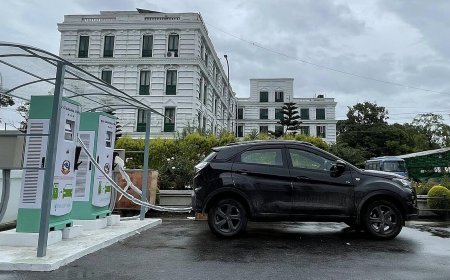
The NAIMA Mobility Expo in August 2026 showcased a growing lineup of electric two‑wheelers and four‑wheelers, reflecting rising consumer interest and the policy framework shaping Nepal’s EV market.
Government Incentives for EV Imports in 2026
The Finance Act 2026 introduced measures aimed at lowering the upfront cost of bringing electric vehicles into the country. Fully electric passenger cars and two‑wheelers that meet the battery‑capacity criteria set by the Ministry of Finance qualify for a customs‑duty exemption, while plug‑in hybrids receive a reduced rate. The exact exemption levels vary by vehicle class and battery size; for example, passenger‑car EVs with smaller battery packs enjoy a full duty waiver, and larger‑capacity models receive a graduated reduction. Commercial importers who register EVs under a VAT‑registered enterprise and use the vehicles primarily for business can also claim a rebate on the vehicle‑registration tax. All eligibility details, capacity limits, and the precise figures are laid out in the Finance Act 2026 and the accompanying Ministry of Finance notice, which is accessible on the Ministry’s official website.
Customs Duty Structure for EVs in 2026
Under the revised customs schedule, electric vehicles are classified under specific HS codes that attract lower duties than their internal‑combustion‑engine equivalents. The Customs Department’s 2026 duty schedule outlines the following key points:
- Fully electric passenger cars – duty reduced from the standard rate to a range that starts at zero for qualifying battery capacities and rises modestly for higher‑capacity models.
- Electric two‑wheelers – duty set at zero for vehicles below a defined kilowatt‑hour limit and a low rate for those above it.
- Plug‑in hybrids – retain a reduced duty as an intermediate incentive.
Importers should confirm the exact HS code for their model and consult the latest Customs Department notice for any mid‑year adjustments.
Step‑by‑Step Registration Procedure for Imported EVs
Once an electric vehicle clears customs, the owner must complete registration with the Department of Transport Management (DoTM). The typical process is as follows:
- Submit the completed application form together with the bill of lading, customs clearance certificate, vehicle invoice, and proof of payment of customs duties and taxes.
- Present the vehicle for physical inspection at a DoTM‑authorized inspection centre, where officials verify the chassis number, battery specifications, and safety compliance.
- Pay the registration fee, road tax, and any applicable service charges at the DoTM cash counter or via the online payment gateway.
- Receive a temporary registration certificate; after the inspection report is approved, the official number plate is issued.
- Collect the final registration certificate and number plate – the vehicle is then legally road‑worthy.
The DoTM aims to finalize inspection and registration within about a week, provided all documentation is in order.
Current Fee Schedule (2026)
Fee amounts are reviewed annually, and the 2026 schedule is published on the DoTM website. The latest notice lists a fixed registration fee for electric passenger cars plus a variable component based on vehicle weight, an annual road tax for private EVs with a reduction for commercial EVs, a number‑plate issuance charge, and an inspection service fee. Applicants are advised to check the DoTM portal for any updates before submitting an application, as fee revisions may occur mid‑year in response to fiscal adjustments. VAT or excise duties are not applied on top of these fees; they are already accounted for in the customs‑duty stage.
Additional EV‑Specific Provisions in 2026
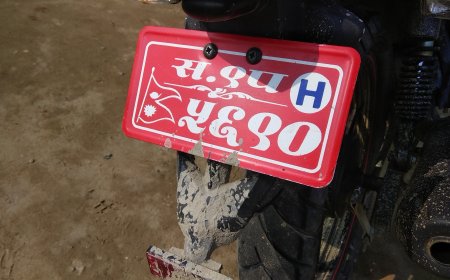
Nepal’s green‑plate scheme continues in 2026: electric vehicles receive distinctive green‑coloured registration plates to aid identification and enforcement of EV‑related incentives. In the Kathmandu Valley, the ongoing vehicle emission control programme restricts the entry of older internal‑combustion‑engine vehicles, while EVs are exempt from these limitations, making them an attractive option for urban commuters.
Looking Ahead
The NAIMA Mobility Expo reflected a market that is already responding to the policy framework established by the Finance Act 2026, the Customs Department’s 2026 duty schedule, and the DoTM’s registration and fee notices. Prospective importers should monitor official communications from the Ministry of Finance, Customs Department, and Department of Transport Management to ensure compliance and to take full advantage of the incentives available in 2026.
What's Your Reaction?