
Nepal’s 2026‑2027 Rural Electrification Subsidy Program: What Small Enterprises Need to Know
The Nepal rural electrification subsidy 2026‑2027 program provides capital‑cost support for solar‑hybrid systems to qualified micro‑small enterprises in off‑grid areas. Eligibility hinges on turnover limits and proper registration, while subsidy amounts vary by system size and site remoteness. Applications are filed online via NEA or the Ministry of Energy portals. Pilot data suggests typical payback of two to four years and electricity‑cost reductions of 30‑50 %, though resu...

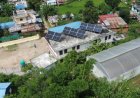
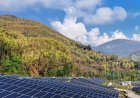
The Government of Nepal, together with the Nepal Electricity Authority (NEA), has rolled out a subsidy scheme for fiscal year 2026‑2027 that targets small enterprises in off‑grid or weak‑grid rural areas. The program backs solar‑hybrid installations — photovoltaic panels paired with battery storage and, where practical, a backup generator or grid link.
Eligibility
Only businesses that meet the national micro‑small enterprise definition can apply. The exact annual turnover ceiling is published in the official program notice; applicants must prove their turnover sits at or below that limit. Required paperwork includes a valid business registration certificate and recent financial statements.
Subsidy Details
The subsidy covers a share of the capital cost for an approved solar‑hybrid system. The percentage or absolute amount shifts with system size, technology choice, and how remote the site is. Those specifics are laid out in the guidelines issued by NEA or the Ministry of Energy, so anyone interested should download the latest notice for the precise figures that apply to their project.
Application Process
Applications go through an electronic portal — either NEA’s own site or the Ministry of Energy’s e‑services platform. The form asks for business registration documents, turnover verification, and a detailed project proposal that spells out the intended load profile, site assessment, and expected energy output. After submission, the proposal undergoes a technical and financial review before a subsidy sanction is issued.
Expected Benefits
Pilot data from earlier phases of the scheme showed payback periods typically ranging from two to four years, and monthly electricity expenses dropped roughly 30‑50 % compared with relying on diesel generators or an intermittent grid. Actual savings will depend on each enterprise’s consumption pattern and the solar irradiance at its location.
Key Takeaways
Because subsidy rates, disbursement schedules, and any caps can change each year, the most reliable source remains the official notice on the NEA or Ministry of Energy websites. Prospective applicants should download the latest guidelines, confirm eligibility, and gather all required documents before starting the application. For rural small businesses, the program offers a concrete route to lower operating costs, improve power reliability, and support Nepal’s broader renewable‑energy targets.
What's Your Reaction?