













Nepal Electric Vehicle Adoption in 2026: Policy Shifts, Charging Expansion, and Emerging Market Challenges
Nepal's 2026 EV push relies on tax policy, expanding chargers on key highways, and tackling battery recycling gaps; buyer interest grows on fuel savings and model choice.

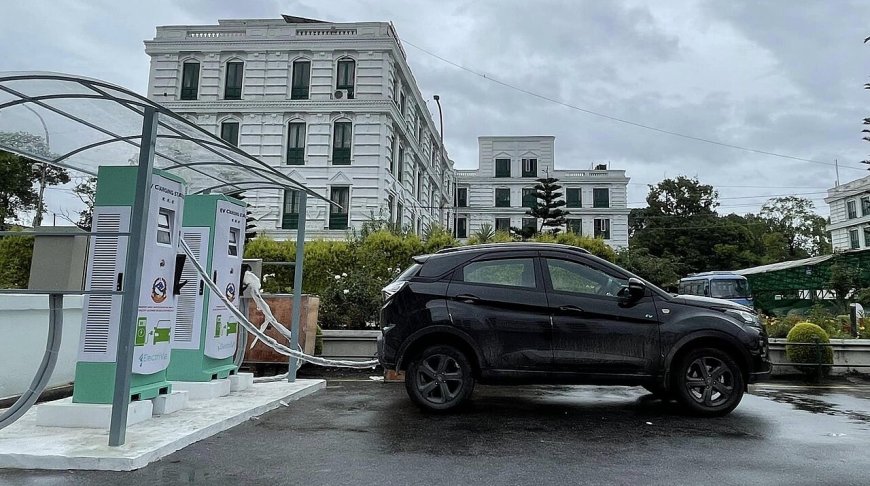
Nepal electric vehicle momentum continued to build through the first half of 2026, even as the government leans on tax revenue rather than direct subsidies. A June Ministry of Physical Infrastructure and Transport release confirmed that import duties on hybrids remain high, while officials still talk about a national target of 10,000 public chargers by 2030. The result is a market where fuel‑cost savings outweigh upfront rebates for most buyers.
Policy Landscape: Taxes over Subsidies
The ministry’s June brief makes clear that fiscal incentives for purchasers are modest. Instead of cash rebates, the state is counting on rising fuel prices and a growing model lineup to nudge consumers toward zero‑emission options. This approach keeps the budget tight but shifts the burden of adoption onto operating‑cost advantages.
Showroom Surge at NAIMA Expo
At the NAIMA Mobility Expo in Kathmandu this August, 18 new electric two‑wheelers and 29 four‑wheel models debuted from both domestic and international brands. Recent coverage highlighted how the event expanded dealer networks and gave shoppers a broader palette, from compact city scooters to SUV‑style electric cars. The influx signals growing manufacturer confidence in Nepal’s emerging demand.
Charging Network: Gaps Between Cities and Hills
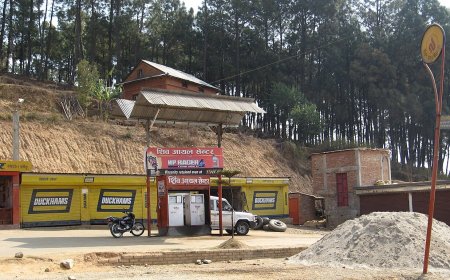
Urban corridors such as the Kathmandu‑Pokhara highway and the Birgunj corridor have seen a steady rollout of charging points, often co‑located with existing fuel stations. However, recent reports from myRepublica note that rural and mountainous districts still lag, with few fast chargers outside major towns. This uneven coverage limits practicality for long‑distance travel and for communities that rely on hill‑road connectivity.
Battery Waste: A Rising Concern
As more electric vehicles hit the roads, the question of spent batteries is gaining attention. Recent Nepalnews.com reporting points out that formal recycling facilities remain scarce, raising the risk of hazardous waste accumulation. The International Energy Agency’s latest global outlook echoes this warning, noting that many developing markets face similar challenges when battery volumes outpace recycling capacity.
What Drives Buyers Today
- Fuel‑cost savings that outpace volatile petrol prices
- Expanding model variety showcased at the NAIMA Expo
- Lower maintenance requirements compared with internal‑combustion counterparts
Recent analyses from Mongabay and the Nepali Times both emphasize that total cost of ownership now drives purchase decisions more than any subsidy. The growing selection of models gives commuters and fleet operators concrete reasons to switch, even without significant financial incentives.
Looking ahead, the success of Nepal’s electric‑vehicle transition will depend on aligning fiscal policy with infrastructure expansion and waste‑management solutions. If charging stations can reach beyond the main highways and recycling systems keep pace with battery retirements, the country may convert its current momentum into a more sustainable and inclusive electric mobility future.
What's Your Reaction?