





Nepal eSIM vs Local SIM 2026: How to Choose Before You Fly
A practical comparison of travel eSIMs and locally bought SIM cards for visitors to Nepal, covering phone compatibility, arrival-day friction, data needs, whether you actually need a Nepali phone number, coverage limits and how each option is topped up. Includes direct links to Ncell, Nepal Telecom and the Nepal Telecommunications Authority so readers can check current prices and SIM registration rules themselves.


Most people planning a Nepal trip end up asking two questions in the same breath. Should I buy a Nepal eSIM before I fly, or pick up a local SIM after landing? And which one is cheaper? The second question is harder to answer honestly, so this piece digs into the first and points you to the places where the second gets answered properly.
Why there is no price table here
Plan prices in Nepal move around, and they move quietly. Bundle sizes get redrawn, promotional rates lapse, and a figure copied from a blog post six months ago can be wrong before you land. Rather than print numbers that may not hold on the day you read this, here is where to look instead:
- Ncell and Nepal Telecom for local prepaid data packs. Their prepaid or internet pages list what is actually on sale.
- Your travel eSIM provider's own Nepal plan page, for regional and country plans.
- Nepal Telecommunications Authority for the rules, SIM registration included.
Note the date you looked. That date is worth more than any comparison table, including one written by me.
Start with your phone, not with the plan
An eSIM only works if your handset supports one and is carrier-unlocked. On most recent iPhones and plenty of recent Android phones that is straightforward, but there are exceptions. Some devices sold in particular markets ship with eSIM disabled, and a phone still locked to your home network will simply refuse another provider's profile. Two checks, both under a minute. The menu paths below match current iPhone and Android builds as of 2026, and manufacturers do shuffle them between versions, so if it isn't where we say, search your model name along with the word eSIM.
- iPhone: Settings, then Cellular, and look for "Add eSIM" or "Add Cellular Plan".
- Android: Settings, then Network and Internet (or Connections), then SIMs. Look for eSIM or "Download a SIM instead".
One more thing worth knowing before you commit. If you want to keep your home number live for bank codes and messages while you run a Nepal data plan, you need a phone that handles a physical SIM and an eSIM at the same time, or two eSIMs. Not every dual-SIM handset does both. Check that your model supports the combination you're planning.
Arrival friction: profile installed at home vs counter at the airport
A travel eSIM is bought online before you fly and installed while you still have reliable Wi-Fi, either at home or at the departure airport. Don't leave installation for the arrival hall. What you trade away is the ability to ask a person a question when something doesn't work. Providers usually explain when the plan clock starts, and it isn't always at purchase, so read their instructions rather than assuming.
A locally bought SIM is the opposite experience. You queue, you show your passport, the shop completes the registration, and you walk out with a working Nepali number. That takes time and a bit of patience on arrival day, but it also gets you a local line and a human you can go back to later.
How long you are staying, and how much data you actually use
A four-day Kathmandu stop with hotel Wi-Fi changes the maths completely compared with three weeks of trekking, blogging and video calls. Short trips lean towards whatever removes the most friction at the airport. Longer stays lean towards a local line you can top up and keep using. If you are honest with yourself about how much data you burn at home, the choice usually makes itself.
Do you need a Nepali phone number?
This is the axis people forget. Some guesthouses, drivers, trekking agencies and domestic airlines only work through phone calls and SMS. A rescheduled Lukla or Pokhara flight often reaches you by a call or a text to a Nepali number, and there is no WhatsApp thread to fall back on. Plenty of others have moved to WhatsApp or Viber and will happily message you there, so the need is not universal. The question is whether you want to be reachable either way, on the number they already have.
Most travel eSIM plans for Nepal are data-only: no local number, and no way to receive local texts. A few providers do sell Nepal plans that include a voice number and SMS, so check the plan description before you buy instead of assuming. If your trip involves ringing a guesthouse landline, calling a driver, or receiving a booking confirmation by SMS on a Nepali number, a locally bought SIM is the option that does that.
Topping up, and what happens when you run out
An eSIM is usually extended through the provider's own app or website, which means you need some other working connection to top it up, so plan ahead before you head out of range. A local SIM gets refilled the local way, with a scratch card or a mobile wallet, and any shop selling credit can do it. Three weeks on the trail is long enough that this difference starts to matter.
Coverage is the one thing no plan can fix
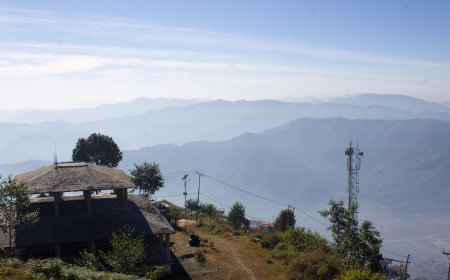
Coverage thins out as you move away from Kathmandu, Pokhara and the busiest trekking corridors, and no plan changes that. An international eSIM generally reaches Nepal by connecting to a local network rather than running its own, so what you experience on a ridge in Solukhumbu is that network's coverage, not the eSIM brand's. Ask people who have walked your specific route recently, and treat marketing maps with a raised eyebrow.
What buying a local SIM involves in practice
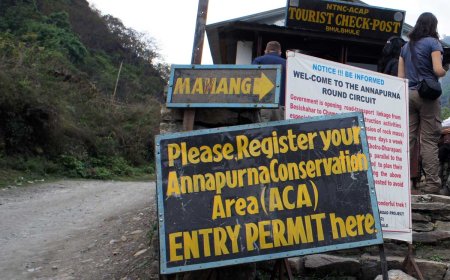
Foreign visitors have long been expected to register a local SIM against a passport, with the retailer handling the paperwork at the counter. The Nepal Telecommunications Authority (NTA) is the regulator that sets those rules, and its site is where to check the current requirements. How many SIMs one passport can hold, and how long a line stays valid, have changed more than once, so look it up and then confirm at the counter. And if you are hoping for a dedicated tourist SIM at the airport, ask when you arrive rather than assuming one exists.
Nepal eSIM or local SIM: which to pick
If your phone supports eSIM, you are staying two weeks or less, and you mainly want maps and messages to work, a travel eSIM installed before departure is the lower-stress route. If you are staying longer, plan to move around a lot, or need a Nepali number for calls and SMS, buy locally. If your phone runs both at once, do both and get the best of each. Neither wins outright, and anyone who tells you otherwise is selling something.
What's Your Reaction?