











Losar in Nepal: Why Tamu, Sonam and Gyalpo Losar Fall on Different Dates
Tamu, Sonam and Gyalpo Losar each come from a different way of reckoning time, which is why they rarely share a date. This explains how each calendar works, why the Sonam Losar date can fall in January or February, and what to check before you plan around any of them.

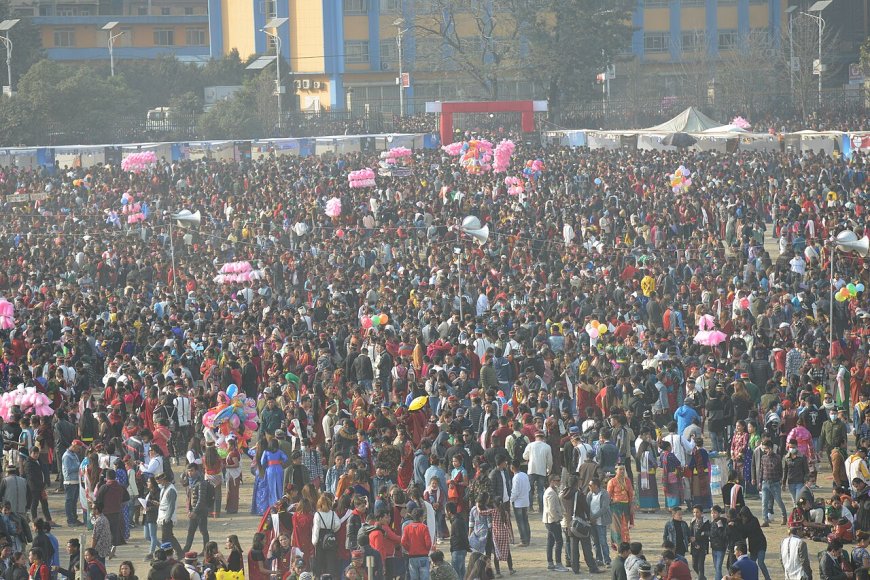
Ask when the Nepali new year begins and you will not get one answer. Gurung, Tamang and Sherpa communities each mark the turn of the year with a festival called Losar, and they do it on different days, sometimes weeks apart. The word is Tibetan: lo for year, sar for new. Past that shared root, the three festivals part company.
Three ways of counting a year
Tamu Losar belongs to the Gurung, who call themselves Tamu. It sits on Poush 15 of the Bikram Sambat solar calendar, which puts it at the very end of December. Because it hangs on a solar date, it barely moves from one year to the next.
Sonam Losar is the Tamang new year, and it runs on a lunar calculation. This is where most people trip up. You will often hear Sonam Losar described as a January festival, and in many years it is one. But the lunar month it opens can begin in February, and when that happens the festival goes with it. In 2024, for instance, the Magh new moon came in February and Sonam Losar landed there too. Treat “January” as a habit, not a rule.
Gyalpo Losar is kept by Sherpa communities and follows the Tibetan calendar: the first day of the first month. That system corrects itself with leap months so it stays in step with the seasons, which means Gyalpo Losar slides around more than the other two. It usually falls in February or March, but the exact day is a matter for the calendar keepers, not for a planner printed a year ahead.
The order is a tendency, not a law
Most years Tamu Losar comes first, Gyalpo Losar last, and Sonam Losar somewhere in between. That ordering is handy for a rough sense of the season. It is not something to book travel around.
Part of the movement comes from the lunar month itself, which starts on a new moon and so drifts against the Gregorian calendar. The other part is the correction built into the Tibetan system, which occasionally adds an extra month to stop the calendar sliding out of the seasons. Neither is a mistake. Both are the machinery doing its job.
Then there is a practical wrinkle. Lunar dates are settled by local reckoning and confirmed close to the festival, and two diaries printed in the same year do not always agree on the same day. If a particular celebration matters to you, ask the community or the monastery. A printed calendar is a starting point, not a verdict.
What the names say
Tamu Losar takes its name from the Gurung's own word for themselves. Sonam carries a sense of merit or good fortune. Gyalpo Losar translates roughly as the king's new year, a nod to the old Tibetan royal calendar. The labels are not interchangeable, and using one community's name for another's festival is not a small slip. It flattens the particular reasoning behind each date.
Shared ground, different ground
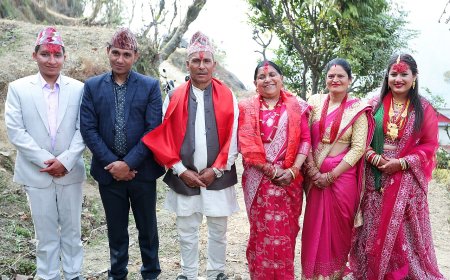
Family gatherings, feasting, offerings, new clothes, elders blessing the young, a general clearing of the slate before the year turns. That shape repeats across all three.
The detail does not. A Gurung priest's chants belong to a specific lineage, not to some generic Losar ritual. Tamang communities have their own songs for Sonam Losar. Sherpa monasteries stage chham masked dances around Gyalpo Losar. Food follows the same pattern: sel roti and meat at a Tamu Losar table, a Tamang spread of rice, lentils, greens and meat, khapse pastries and guthuk noodle soup in a Sherpa home. Households argue about what belongs in the soup, which is half the point.
Borrowing one community's practice to describe another is the easy mistake. It is also the one worth resisting.
What this means if you live here, or are visiting
- Do not build a schedule on “Losar is in January” or “Losar is in February.” Check with the community you are actually visiting.
- An invitation beats any list. Ask what to bring and when to arrive rather than guessing from a date you saw online.
- Greetings are specific. Getting the right festival name to the right household matters more than getting the day exactly right.
- If you are travelling in the hills or mountains in winter, leave slack. A festival can shift by days and take the bus schedule with it.
More than one new year is normal here
Nepal's festival calendar often gets flattened into a single tidy sequence. The three Losars resist that. They show that a new year is not one fixed astronomical event but a social agreement, and the agreement differs from valley to valley. Living with several of them at once is not confusion. It is just what the place does.
What's Your Reaction?