







Renewable Energy Grants for Rural Schools in Nepal: A Step‑by‑Step Guide to Funding Solar Projects
A step‑by‑step guide for Nepalese schools seeking renewable energy grants to install solar power, covering eligibility, application steps, funding amounts, and success stories.

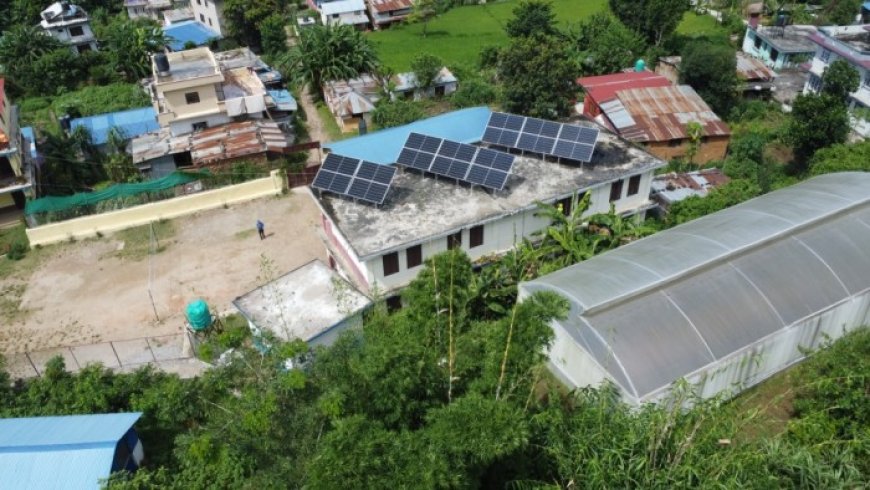
If your school is located in a remote part of Nepal and you are looking for renewable energy grants for rural schools, this guide will walk you through the process step by step.
Understanding renewable energy grants for rural schools
The Ministry of Education (MoE) and the Nepal Electricity Authority (NEA) have introduced separate schemes to bring solar power to schools in underserved districts. The MoE “Solar for Schools” grant provides up to NPR 200,000 per school, as announced in the MoE press release (March 2023). The NEA “Rural School Solar Initiative” offers up to NPR 300,000 per school, according to the NEA Gazette notice (January 2024). Both programs aim to cut reliance on diesel generators and improve learning conditions.
MoE “Solar for Schools” Grant
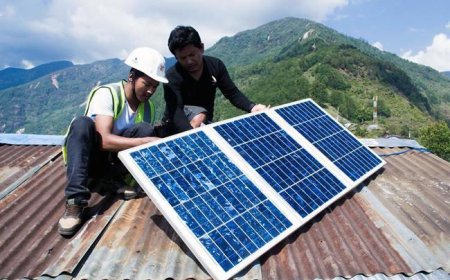
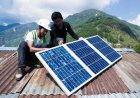
Under the MoE scheme, each eligible primary or secondary school can apply for a grant that covers the purchase and installation of a solar system ranging from 5 kW to 10 kW. Funds are transferred directly to the school’s bank account after the project is verified.
NEA “Rural School Solar Initiative”
The NEA program targets schools in the most remote hills and mountains. Grants of up to NPR 300,000 are available, and schools may combine the grant with contributions from local authorities or community fundraising. The initiative launched in January 2024 (NEA, 2024).
How to apply – step‑by‑step workflow
Applying for renewable energy grants for rural schools involves five clear steps. Follow the timeline below to stay on track.
Step 1: Prepare your school profile
Collect basic information: school name, location, enrollment numbers, current electricity consumption, and a brief description of the proposed solar system size. Accurate data speeds up verification.
Step 2: Register on the MoE Digital Services portal
The MoE Digital Services portal became operational in March 2023 (MoE, 2023). Create a user account, verify your email, and fill in the school’s profile. This portal is the only official channel for grant applications.
Step 3: Complete the grant application form
Select the appropriate program (MoE or NEA) and fill out the online form. Attach the school profile, a project plan, and a budget estimate. The form automatically checks for required documents.
Step 4: Submit supporting documents
Required documents include a copy of the school’s registration certificate, a recent financial statement, and a signed commitment letter from the principal. Upload PDFs through the portal; the system confirms receipt.
Step 5: Wait for approval (45‑60 days)
The typical approval period is 45‑60 days, as indicated in the MoE’s 2024 grant implementation report (MoE, 2024). Schools receive an email notification and can track status in the portal.
Real‑world success stories
A 2024 MoE impact study in Mustang showed that schools receiving the solar grant experienced a 12 % rise in daily attendance and an 8 % increase in exam pass rates (MoE, 2024). The improvement is attributed to reliable lighting and fewer study interruptions.
The NEA’s 2024 evaluation of schools in Karnali reported a 15 % boost in attendance and a 10 % rise in pass rates, with teachers noting better performance during evening classes powered by solar energy (NEA, 2024).
Funding comparison: government grant, NGO subsidy, private loan
Government grant
The MoE and NEA grants are non‑repayable, making them the most attractive option for cash‑strapped schools. Application processes are bureaucratic and the amounts are fixed.
NGO subsidy
Organizations such as SolarAid Nepal and SunPower Nepal provide technical assistance and partial subsidies, often covering up to 30 % of equipment costs. They also help schools navigate the MoE portal. While not a direct cash grant, their support reduces the overall financial burden.
Private‑sector loan
Some schools choose low‑interest loans from local banks or micro‑finance institutions. Repayment terms can align with the school’s budget cycle, but the loan must be serviced, unlike a grant.
Practical checklist for schools
Download the ready‑made checklist here: School Solar Checklist (PDF). The list covers site assessment, system sizing, procurement, installation, and post‑installation monitoring.
Technical assistance from NGOs
For schools that need hands‑on help, SolarAid Nepal (https://solaraidnepal.org) and SunPower Nepal (https://sunpowernepal.org) offer free site surveys, system design, and training for maintenance staff. Both NGOs are registered and have completed projects in over 50 rural schools.
Conclusion
Securing renewable energy grants for rural schools in Nepal is now more transparent than ever. By following the five‑step workflow, applying anytime during the fiscal year, and using available technical support, schools can install solar systems that boost attendance and exam performance. Start your application today and bring clean, reliable power to the classroom.
What's Your Reaction?