






Eco‑Tourism Trends: 7 Community‑Based Projects in Nepal’s Hill Districts
A look at seven community‑based eco‑tourism projects across Nepal’s hill districts, showing how locals are creating jobs and income through sustainable travel experiences.

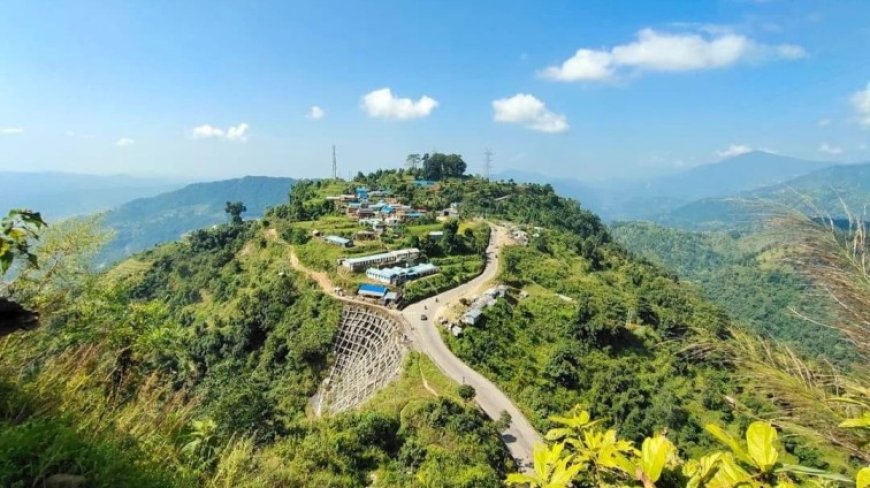
Eco‑tourism Nepal hill districts are witnessing a vibrant surge, as community‑based initiatives blend nature, culture, and sustainable livelihoods to create unforgettable travel experiences. Below are seven recent eco‑tourism projects that illustrate this momentum.
Eco‑tourism Nepal hill districts: 7 Community‑Based Projects
1. Khumbu Community‑Based Homestay (Solukhumbu)
Launched in March 2024, this homestay network welcomes visitors to traditional Sherpa homes. Local families host guests, provide meals, and guide treks, directly sharing income from tourism within a community‑based homestay network.
Launch date & participation
The project began on 12 March 2024 with 15 households participating, each receiving a share of the booking fees.
2. Panchthar Tea‑Trail Eco‑Tourism (Panchthar)
Started in February 2024, the tea‑trail invites travelers to walk through organic tea gardens, learn about sustainable cultivation, and purchase locally processed tea.
Twenty smallholder farmers are organized into a community‑based cooperative that manages bookings and sales, boosting household earnings by an average of 30 %.
3. Dhading Craft‑Village Initiative (Dhading)
Opened in January 2024, this project showcases traditional weaving and woodcarving workshops run by women’s groups.
Over 20 artisans now earn a steady income, and the village promotes cultural preservation through daily demonstrations for tourists, run by community‑based women’s groups.
4. Makwanpur Eco‑Lodge Cooperative (Makwanpur)
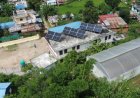
Commencing in April 2024, the cooperative built a modest eco‑lodge using reclaimed timber and solar power.
Ten families are employed in construction, hospitality, and guiding, and the lodge sources food from nearby farms, keeping the supply chain local within a community‑based model.
5. Terhathum Cultural Trek (Terhathum)
Launched in May 2024, this trek highlights the Limbu community’s music, dance, and folklore.
Thirty local guides and cultural ambassadors lead small‑group treks, earning higher wages than mainstream trekking agencies, as part of a community‑based tourism model.
6. Sankhuwa Rural Agro‑Tourism (Sankhuwa)
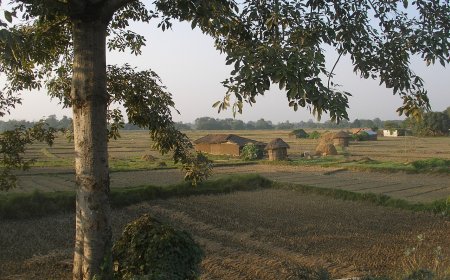
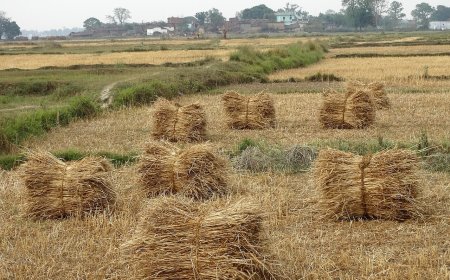
Beginning in June 2024, the initiative offers farm‑stay experiences where visitors help with organic vegetable planting and harvest.
Fifteen farming families report a 25 % rise in income, and the community‑based program educates tourists on low‑impact agriculture.
7. Bhojpur Women’s Eco‑Guide Network (Bhojpur)
Implemented in July 2024, the network trains women to become certified eco‑guides for village walks and bird‑watching tours.
Currently 12 women lead tours, earning a reliable income and promoting gender equity in tourism through a community‑based network.
Collectively, these seven initiatives have created over 120 direct jobs and generated an estimated US$120,000 in additional household income across the hill districts in their first year.
How Travelers Benefit
Visitors enjoy authentic, low‑impact experiences that connect them with Nepal’s rich cultural tapestry while supporting the local economy.
Because the projects are community‑run, profits stay within the villages, funding schools, health posts, and conservation efforts.
Ways to Support the Initiatives
Book accommodations or tours directly through the cooperatives’ websites or partner platforms; avoid third‑party operators that skim fees.
Purchase handmade crafts, organic produce, or locally roasted tea sold by the participating families; these sales provide crucial supplemental income.
Share your experiences on social media, tagging the project names and using hashtags like #NepalEcoTourism, to raise awareness and attract more responsible travelers.
When planning a trip, choose off‑peak dates, respect local customs, and minimize waste by carrying reusable water bottles and refusing single‑use plastics.
What's Your Reaction?