












Selling Vegetables in Nepal: Channels, Weighing and Getting Paid
A practical guide for Nepali vegetable growers on choosing a sales channel, grading produce, agreeing on packaging and transport, watching the weighing, documenting rejections and telling a quoted market rate apart from what actually settles. No prices, by design: what to ask for in writing instead.

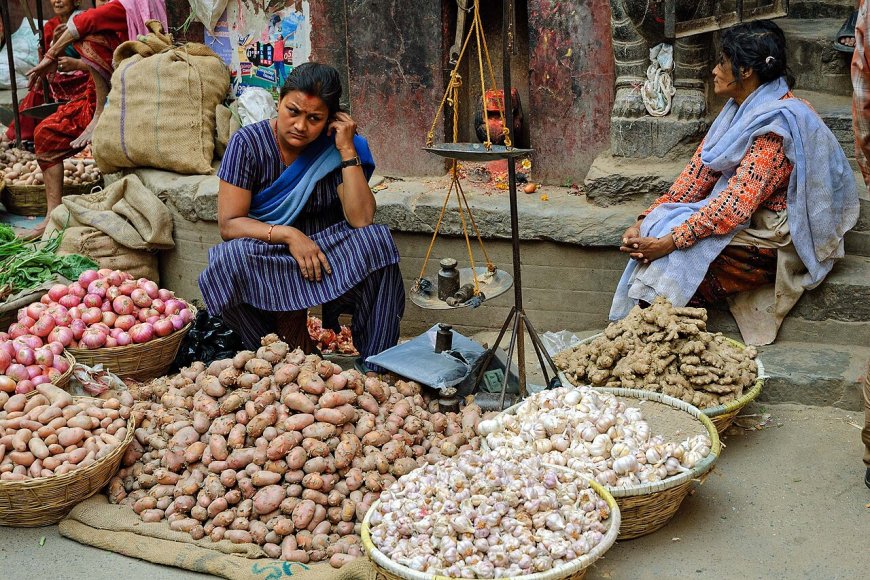
If you grow vegetables in Nepal and have never sold beyond your own village, the first question is usually not how to grow more. It is simpler and harder: who will take the harvest, at what rate, and when does the money actually arrive. Getting a good crop to a buyer is one skill. Getting a fair settlement out of that sale is a different one, and most growers learn it by losing a crate or two along the way.
What follows is about the second skill. There are no prices on this page, on purpose. A rate quoted today can be wrong next week, and it will differ by market, by grade, by season and by whether you delivered or the buyer came to you. Use this as a list of things to check and questions to ask, not as a rate card.
Pick the channel before you pick the variety
Most vegetable growers in Nepal sell through one of a handful of routes, and each one trades a different kind of risk for a different kind of money.
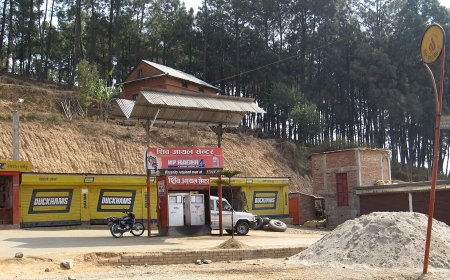
Farmgate buyers and village collectors. Someone arrives with a truck or a tempo, looks at the crop and names a rate for the whole lot. There is no transport to arrange and no market to sit in. The convenience costs you margin, and a single buyer in a small area can end up setting the terms for everyone.
The local haat bazaar. Weekly markets still do real business in many districts. You sell in small lots to many buyers, which usually means a better rate than a collector offers, but you spend a day sitting there and you carry home whatever does not sell.
Collection centres and cooperatives. A cooperative aggregates members' produce, grades it and moves it in larger volumes. You gain bargaining weight and often a share of the transport cost. You lose some independence, and the cooperative's management matters as much as the market does.
Wholesale markets. Kathmandu's Kalimati market has long been the reference point for vegetable trade in the country, and growers from surrounding districts send produce there through traders or commission agents. It absorbs volume, including grades that village buyers turn down, but you are far from the weighing scale and you are dealing with people you may never meet.
Selling direct. Retailers, restaurants, hotel kitchens, school and hospital canteens, and neighbourhood customers reached through social media groups. Direct buyers pay for consistency and reliability, not just for the produce. One restaurant that orders every week can be worth more than a market stall that takes everything once.
Anyone with a serious volume is usually running two or three of these at once: the best grade to direct buyers, the middle to the wholesale chain, the rest wherever it moves.
Grade before you negotiate
A mixed crate is a discount waiting to happen. If your tomatoes, cauliflowers or beans arrive in different sizes and conditions, the buyer has a reason to apply a grading cut, and you have no way to argue about which piece caused it.
Sort at the farm, into the grades your buyer actually recognises, and keep them separate through loading. Size, colour, firmness, shape and visible damage are what get looked at. Anything wet, bruised or overripe should not travel with the rest, because it spoils its neighbours and gives the buyer a reason to reject the whole crate.
Agree on packaging, loading and transport in advance
This is where a lot of the argument happens after the fact, and almost all of it can be avoided with one conversation before harvest.
Ask: who supplies the crates or sacks? Are plastic crates returnable, and who pays if one goes missing? Who loads the vehicle at your end, and who unloads at the other? Is transport deducted from your payment, charged separately, or paid by the buyer? Crates stacked in the sun on a roadside for three hours before the truck arrives are a cost you carry even though nothing shows on the slip.
Harvest timing matters too. Vegetables cut in the heat of the afternoon and driven for hours arrive softer than the same crop cut early in the morning. Where cold storage or refrigerated transport is available it is usually in and around the bigger urban markets, so for most growers the practical answer is a fast turnaround and shade, not refrigeration.
Watch the weighing, and take the slip
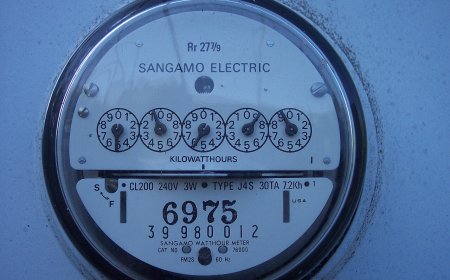
Get into the habit of seeing your produce weighed on a scale you can read, and leaving with a written slip. The slip should show the date, your name, the lot or consignment identifier, the grade, the gross weight, the tare for crates or sacks, and the net weight. If the tare is not written down, you have handed the buyer a free margin on every crate.
Photograph the slip. Photograph the loaded vehicle and the number plate if the produce is going to another district. In a dispute weeks later, a photograph of a weighment slip is worth more than a good memory.
Know the difference between a quoted rate and what settles
Published wholesale rates, including those reported from the big markets, usually describe a specific grade at a specific point in the chain. You are paid at your end of the chain, after everything else has been taken into account.
So before you agree to sell, ask for the settlement in writing: what the rate is, what commission or handling charge the trader takes, how transport is treated, what grading cut applies and why, whether crate charges are deducted, and how long before you are paid. If a trader cannot tell you these things in advance, they are not being secretive about the market, they are telling you the terms will be decided later. Later is never in your favour.
Where a rate is quoted for the day, treat it as indicative. It tells you the direction of the market, not the figure you will receive.
Document a rejection on arrival
Produce that travels can be downgraded or refused at the other end. A buyer who says the load arrived soft is making a claim about something that happened after your produce left your yard, so you need a record of the condition at dispatch and a record of what was found on arrival.
Ask that any rejection be written down with the date, the quantity affected, the reason and the name of the person making the call, and ask for the rejected produce to be photographed before it is disposed of. If it is returned, check that what comes back is what you sent. Verbal rejections, resold quietly and deducted from your payment, are a well-worn route to a loss you cannot prove.
Keep your own book
You do not need software. A lined notebook works. For every sale record the date, buyer, grade, net weight, agreed rate, deductions of any kind, amount due and the date it was actually paid. Over two or three seasons you will know which buyer pays honestly, which channel suits which crop, and what your produce is really worth at the point it leaves your gate. That record is the only rate card that describes your farm and nobody else's.
None of this removes the risk from selling vegetables, and nobody in the trade will pretend otherwise. But every slip, photograph and written term is one fewer argument that depends on someone else's memory.
What's Your Reaction?