





Tihar 2026: Day by Day Through the Five Days — Rituals, Preparation and What Families Actually Do
Tihar 2026 runs five days, from Kag Tihar on Friday 6 November to Bhai Tika on Tuesday 10 November, with Laxmi Puja on the Kartik amavasya, Sunday 8 November. This guide walks each day in order: the crows fed before sunrise, the dogs garlanded on Kukur Tihar, the lamps and open doors of Laxmi Puja, bhailo and deusi groups moving house to house, Govardhan Puja and Mha Puja with the Nepal Sambat New Year, and the careful Bhai Tika ritual on the last day, along with the house preparation that starts a week earlier.

Tihar — also called Deepawali, Diwali, or Swanti in the Newar tradition — runs five days in the month of Kartik, and the dates move each year with the lunar month. In 2026 the five days run from Friday 6 November to Tuesday 10 November, with Laxmi Puja falling on the Kartik amavasya, Sunday 8 November. Families plan around those dates, but it is worth checking the current patro before you book leave or travel, because the Gregorian dates shift from year to year even though the order of the days does not.
Getting the house ready
Preparation starts a week or more out. Rooms get emptied, walls are whitewashed or repainted, and the courtyard is swept until it looks like someone is expecting guests, which is more or less the point. Shopping is gradual: mustard oil for the lamps, cotton wicks, incense, vermilion, marigold garlands, and the makhamali garland that Nepali families buy because it still looks fresh days later. Rice, sugar, ghee and flour for selroti and sweets come in bulk. Households with a dog buy a little extra for the second day.
Kag Tihar (Friday 6 November): the crows eat first
The festival opens quietly, before sunrise, with food left out for crows on rooftops, walls and ledges. Crows are widely described in Nepali households as Yama's messengers, and feeding them is treated as an early invitation, a way of starting the festival by acknowledging news and messages rather than by celebrating. It is a small ritual, over in minutes, and easy to miss in a city where the crows arrive before anyone else is awake.
Kukur Tihar (Saturday 7 November): a day for the dogs
The second day belongs to dogs. They are garlanded with marigolds, given a tika on the forehead, and fed better than they eat the rest of the year, and the street dogs get their share too. It is one of the few festival days in Nepal that non-Hindu visitors join in without hesitating.
Laxmi Puja (Sunday 8 November): lamps, footprints and an open door
Laxmi Puja is the night the whole country seems to light up. Homes are finished being cleaned, diyo are set along windowsills, balconies and the edge of the compound wall, and a mandala is drawn at the doorstep in flour and coloured powder. Many families draw a line of small footprints leading from the gate towards the door, and doors and windows stay open late so the goddess of wealth has no trouble getting in. In the evening, groups of women and girls start going door to door singing bhailo, which is where the noise begins.
Deusi and Bhailo: the loud part that cuts across the days
Bhailo belongs to Laxmi Puja night, sung by women and girls. Deusi follows on the nights after, sung by men and boys, and groups walk from house to house with a madal, a small harmonium and a lot of confidence. The etiquette is simple: hosts come out with rice, money and sweets, the group sings a blessing for the house, and everybody moves on. In towns, more groups carry a speaker than a madal now, and some say the crowds are smaller than they used to be, but the custom is still going.
Govardhan Puja / Mha Puja / Nepal Sambat New Year (Monday 9 November): honouring the oxen and the self
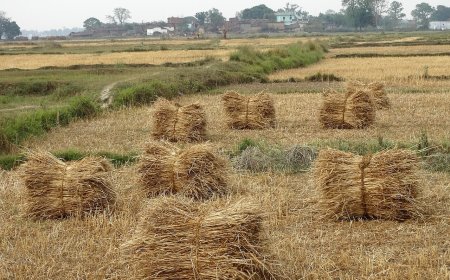
The day after Laxmi Puja is given to cattle. Oxen are bathed, garlanded, marked with tika and fed specially, and for one day they are not asked to plough anything. The day is tied to the story of Krishna lifting Govardhan hill to shelter his people from rain, and in farming households it carries more weight than the city celebrations do. In the Kathmandu Valley the same day is also Mha Puja, the Newar ritual of worshipping one's own body, and marks the start of Nepal Sambat, the Newar New Year. The Newar name for the whole five-day festival is Swanti, and this day sits at its centre.
Bhai Tika (Tuesday 10 November): the long, careful ritual
The tika samagri is laid out the night before in most homes: seven-colour powder, oil, dubo grass, dubo garland, makhamali garland, walnut, banana, other fruit, selroti and dakshina. The hour is often taken from the Panchang, so some families wait until the appointed time before starting.
When the moment comes, sisters mark their brothers with a tika of seven colours, put oil in their hair, place dubo grass behind the ear and offer water, then work through the rest of the plate one item at a time. Every item has a reason. There is no jamara on Bhai Tika; that is a Dashain thing, and a common mistake among visitors. The story told while the tika goes on is the one about Yamuna and Yama, and the promise the sister extracts from the ritual is a long life for her brother.
Five days, five different moods, and then it is over until next Kartik.
What's Your Reaction?