










2026 Guide to Travel Insurance for Nepali Citizens: Coverage, Costs and Claims
A practical 2026 guide for Nepali citizens on selecting travel insurance, covering major providers, typical coverage, premium factors, claim steps, common exclusions, and tips for using comparison tools.

Planning a trip abroad means more than booking flights and hotels; a solid travel insurance policy can save you from unexpected medical bills, lost luggage, or a cancelled itinerary. For Nepali citizens heading overseas in 2026, the market offers several reputable insurers, each with its own wording and claim process. Below is a practical rundown of what to look for, how premiums are built, and the steps you’ll need to follow if something goes wrong.
Main Providers and Where to Find Policy Wordings
Major players such as National Insurance Company Ltd., Himalayan General Insurance, Sagarmatha Insurance, and the state‑backed Rastriya Beema Company all issue travel policies to Nepali passport holders. Their full policy documents are published on the respective company websites and are also mirrored on the Nepal Insurance Authority portal, where you can download PDFs for side‑by‑side comparison. A few newer digital‑first brokers — like InsureMandu and TravelSure Nepal — aggregate these policies and let you view the wording without leaving their platform.
Typical Coverage Components
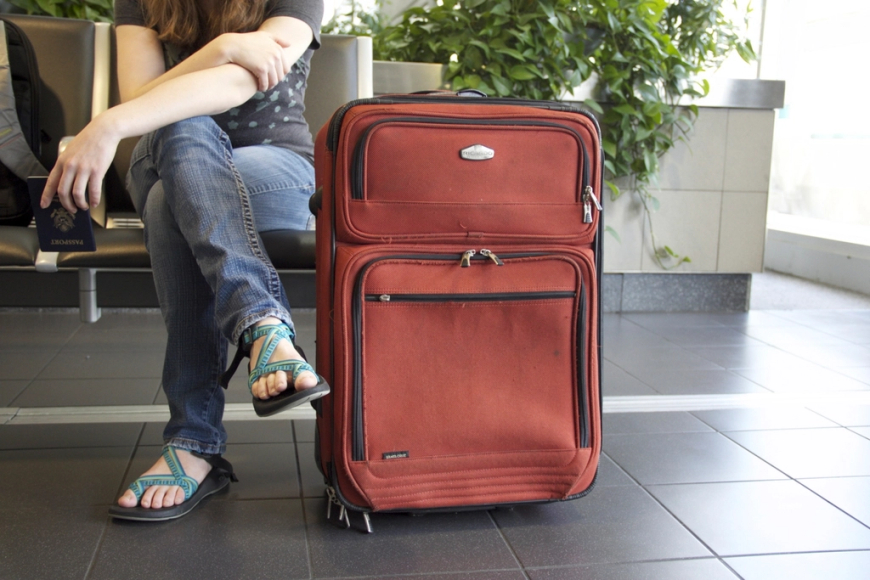
Most 2026 plans bundle emergency medical expenses, inpatient hospitalization, and medical evacuation up to a stated limit. Repatriation of remains is standard, while trip cancellation or interruption coverage usually kicks in for illness, natural disaster, or airline insolvency. Baggage loss, delay, and theft are covered up to a per‑item cap, and personal liability protection is included for accidental damage to third‑party property. Since the pandemic, many insurers still list COVID‑19 treatment and quarantine costs, but the exact benefit ceiling varies, so verify the clause before you buy.
How Premiums Are Calculated
Premiums hinge on five core variables: traveler age, trip length, destination risk tier, chosen sum insured, and any optional riders. A younger traveler heading to a low‑risk country for a short stay will generally pay a modest amount for a basic plan, whereas an older traveler trekking in the Himalayas for several weeks with an adventure‑sports add‑on could see the premium climb significantly higher. Pre‑existing condition waivers, higher evacuation limits, and “cancel‑for‑any‑reason” upgrades each add a surcharge. Insurers typically publish a premium calculator on their sites; plug in your dates and destination to get a quick estimate.
Step‑by‑Step Claim Procedure
First, notify the insurer within the window stated in the policy — usually 24 to 48 hours for medical emergencies and 7 days for baggage issues. Gather original receipts, a doctor’s report, police report (for theft), and proof of travel such as boarding passes. Most companies accept claims through an online portal, email attachment, or via your local agent. After submission, the insurer acknowledges receipt within two business days and aims to settle straightforward medical claims in 10‑15 working days; complex cases involving evacuation or liability may take up to 30 days. Keep copies of everything and follow up with a reference number if you don’t hear back.
Common Exclusions and Limitations
Pre‑existing illnesses are excluded unless you purchase a waiver, and even then the coverage may be capped. High‑risk activities — mountaineering above 6,000 m, paragliding, scuba diving beyond certified depths — are often carved out unless you add a specific adventure rider. Acts of war, terrorism, civil unrest, and nuclear incidents are universally excluded. Losses caused by negligence, such as leaving valuables unattended or ignoring local laws, will also be denied. Read the exclusion list line by line; a single overlooked clause can void an otherwise valid claim.
Using Comparison Tools and Reading the Fine Print
Comparison websites let you filter by premium, sum insured, deductible, and claim‑settlement ratio — the latter is published annually by the Nepal Insurance Authority and is a reliable quality indicator. Don’t just chase the lowest price; a policy with a high deductible or low medical ceiling can cost far more out‑of‑pocket when you need it. Download the full wording, highlight limits, sub‑limits, and waiting periods, and note any “cool‑off” periods for pre‑existing conditions. If anything feels vague, call the insurer’s helpdesk and ask for written clarification before you pay.
Choosing the right travel insurance is a blend of maths and common sense. By matching your itinerary, health profile, and risk appetite to a policy that transparently lists its benefits and exclusions, you protect both your wallet and your peace of mind on every journey.
What's Your Reaction?