










Annapurna Base Camp Trek 2026–27: Routes, Seasons, Permits and Safety
A practical 2026–27 guide to the Annapurna Base Camp trek: how the route works, when to go, which permits you need, and where altitude and difficulty really bite.

Some treks you can plan from a single blog post. The Annapurna Base Camp trek is not quite one of them, and it helps to know why before you book anything. The route sits inside a protected area with its own permit system, the trailheads keep shifting as roads push further up the valleys, and half the lodge prices and bus times you read online were written by somebody three seasons ago. What follows is the shape of the trek and the decisions you actually have to make, with the fast-changing details pointed back at the people who own them.
One thing to get straight first: Annapurna Base Camp is not a roadside viewpoint. You walk to it.
What the walk is actually like
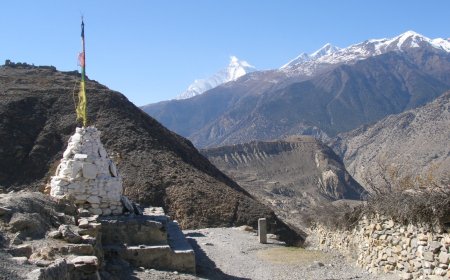
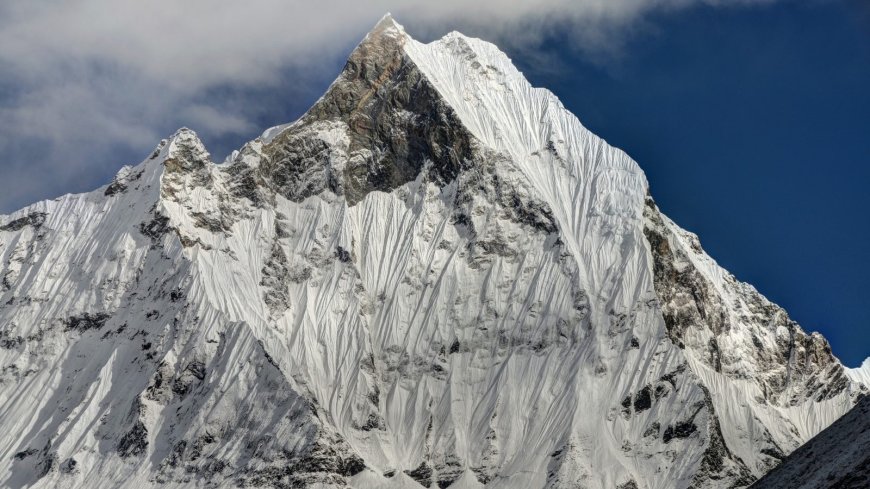
The trail climbs through Gurung villages and terraced farmland, then follows the Modi Khola gorge up between Annapurna South and Machhapuchhre, ending in a bowl of rock and ice that people call the Annapurna Sanctuary. Teahouses run almost the whole way, so you sleep indoors and eat dal bhat twice a day. That makes it accessible. It does not make it easy.
Routes: two ways in, one shared corridor
Most treks come in from the Ghandruk side, climbing through Chhomrong and then up past Bamboo, Dobhan, Deurali and Machhapuchhre Base Camp. The other common approach comes over the Ghorepani and Poon Hill side, popular for sunrise views, and plenty of people bolt it onto the front of the walk or loop the two together. Whichever you pick, the upper gorge is shared ground, and that is where the crowds, the weather and the altitude all pile up at once.
Worth knowing about: the hot springs at Jhinu Danda on the way down, and the villages around Ghandruk if you want a slower, less rushed start.
Best time to trek Annapurna Base Camp
Two windows do most of the work. October and November bring settled air, hard clear views and properly cold nights. March to May brings rhododendrons, warmer days and more haze in the valleys. Winter is possible and quiet, but snow and shuttered lodges are a real risk. The monsoon, roughly June to September, doesn't close the mountains, but it makes the trip harder for reasons that have nothing to do with the walking: leeches, cloud, and access roads that slide away.
Annapurna Base Camp trek permits
Two separate systems, and you need both. The Annapurna Conservation Area Project (ACAP), based in Pokhara, issues the entry permit for the protected area. Separately, the TIMS card, run through the Nepal Tourism Board and TAAN, has long been part of trekking paperwork here. Fees change, and so do the rules about who needs what and where you collect it, so we are not going to print numbers that might already be out of date. Confirm current fees and requirements with ACAP and NTB before you travel, and give yourself a morning in Pokhara to sort it out.
Annapurna Base Camp altitude, and what it actually means
Published figures for the elevation differ by a few dozen metres depending on who you ask, so treat any single number as approximate until you have checked an official parks or tourism source. What matters more than the exact digit is the shape of the climb. You gain height gradually over several days, and the last stretch beyond Deurali is where people start to feel it. Headache, broken sleep, nausea and going off your food are not things to push through. They are the signal to stop, rest, drink and either wait it out or turn around.
Annapurna Base Camp trek difficulty, honestly
Forget grading systems. The honest answer is that this trek is long rather than technical. No climbing, no ropes, no glacier travel. What it asks of you is the ability to walk uphill for hours, day after day, on stone steps that were clearly not designed with anyone's knees in mind, while sleeping badly and eating differently than usual. If you can handle a long multi-day hill walk at home without falling apart, you will probably handle this. If your training so far is a fortnight of good intentions, the staircase out of Chhomrong will find you out.
Safety, weather and the bits nobody mentions
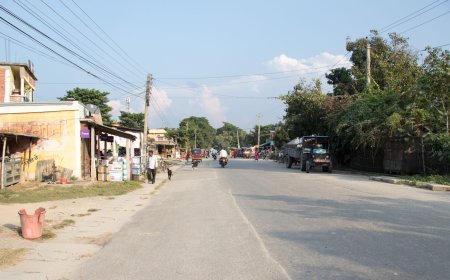
Access roads are the fragile part of this trip. During the 2026 monsoon there were reports of road access to the Annapurna Base Camp trail being disrupted, and hill roads fail regularly in the wet months. Ask locally before you pay for a jeep transfer, and build in slack for the drive in.
Read the altitude limit on your travel insurance before you buy it, not after. Carry more cash than feels sensible, because ATMs thin out fast above the road heads and card machines are a rumour. If you are walking without a guide, tell someone your plan and your turnaround day. And if the weather turns in the gorge, believe it. Turning back at Deurali is a decision, not a failure.
Before you go
Sort your permits in Pokhara, check the current road situation, pack for cold and wet at the same time, and leave a buffer day on the end of the trip. The mountain is not going anywhere. Your itinerary should be the flexible part.
What's Your Reaction?