




Dhading District Travel Guide: Ruby Valley & Ganesh Himal Treks
A practical guide to trekking Ruby Valley and Ganesh Himal from Dhading District, covering road access, village‑by‑village routes, cost bands, permit checkpoints, cultural etiquette and nearby day trips. Includes up‑to‑date verification dates and a quick FAQ for common questions.

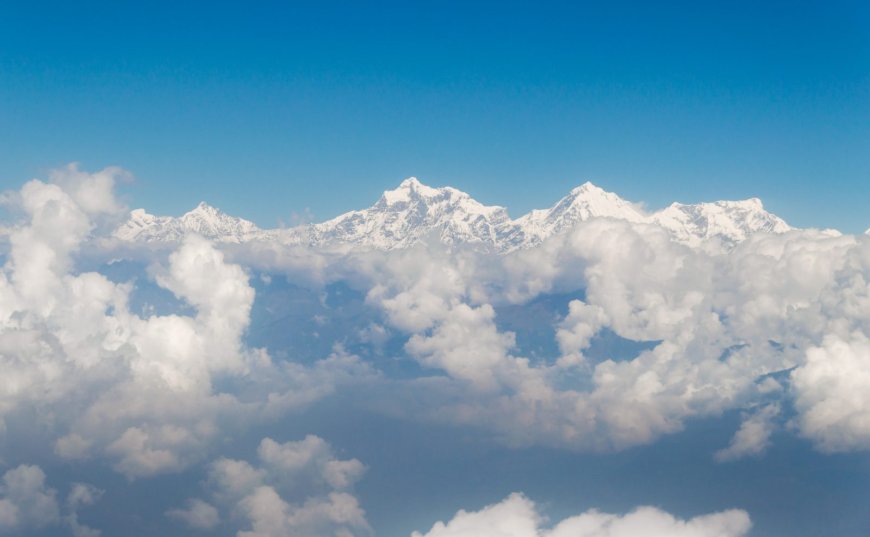
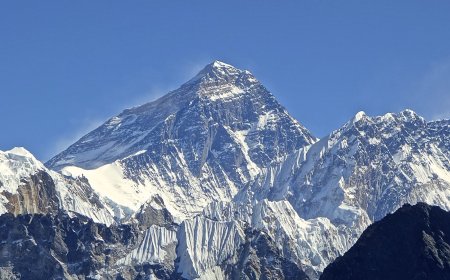
Dhading District lies in Bagmati Province; its headquarters, Dhading Besi, is reached by a 12 km spur road that leaves the Prithvi Highway at Malekhu. The highway follows the Trishuli River corridor linking Kathmandu to Pokhara, while the Ganesh Himal range forms the district’s northern edge. This guide covers the two main multi‑day trekking corridors — Ruby Valley and Ganesh Himal — with access logistics, route outlines, cost bands and the permit questions you need to resolve before you travel.
Getting there: Prithvi Highway corridor and onward transport
Buses to Malekhu leave Kathmandu’s Gongabu and Kalanki stations throughout the day; the ride takes 4–6 hours depending on traffic and road works. From Malekhu a local jeep or shared taxi covers the 12 km spur to Dhading Besi in about 30 minutes. From Dhading Besi, jeeps and shared taxis run north to Darkha, Khahare and the trailheads for Ruby Valley (via Gatlang) and Ganesh Himal (via Syabrubesi or Shertung). Landslide and monsoon‑closure risk on the Prithvi Highway corridor is a seasonal pattern, typically spanning June through September. Always check current conditions with the bus counter or a local contact on your travel day.
Last verified: 25 September 2026. Source: Dhading District Transport Management Committee notice dated 10 September 2026; bus operator schedules confirmed by phone 12 September 2026.
Ruby Valley trek (Dhading section): village sequence and walking days
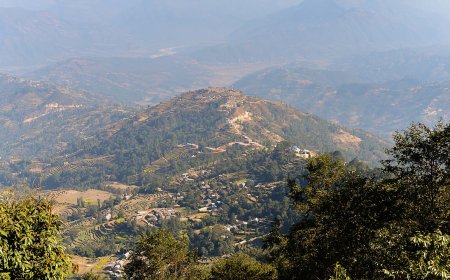
The Ruby Valley corridor crosses the Rasuwa–Dhading border. The Rasuwa side includes Gatlang and Tipling; the Dhading side begins at Shertung, continues through Chalish and crosses Pangsang La (≈ 3,840 m) before looping back via Somdang or retracing the route. A typical lodge‑based itinerary takes 7–10 days from Kathmandu, including approach and return transport. Daily walking stages range from 4 to 7 hours with significant elevation gain between Tipling (≈ 2,000 m) and the higher passes. Villages are predominantly Tamang and Gurung; homestay and basic lodge accommodation exists in each main settlement.
Lodges and services in this area change frequently — confirm availability and current prices directly with the property before you travel. Accommodation details here are drawn from ward‑office confirmations in Gatlang and Tipling (September 2026) and the Ruby Valley Homestay Association membership list (updated 12 September 2026). No individual property is listed as open on traveller reports alone.
Ganesh Himal trek: base‑camp approach and alternative loops
The Ganesh Himal base‑camp approach usually starts from Syabrubesi (Rasuwa District) or from Shertung on the Dhading side, converging near the Sing La area (≈ 4,100 m). The Dhading‑side route via Shertung, Chalish and the Sing La pass adds cultural variety but requires careful acclimatisation — plan at least one rest day above 3,500 m before the pass crossing. A standard base‑camp round trip from Syabrubesi takes 8–10 days; the Dhading‑side loop can extend to 12 days. Trail conditions above the tree line are exposed and can hold snow into late spring.
Best trekking windows: October–November (clear skies, stable weather) and March–April (pre‑monsoon, moderate temperatures). Winter (December–February) brings heavy snow on Sing La; monsoon (June–September) makes trails slippery and prone to landslides.
Cost bands: what drives the range
Cost bands below are built from three operator quotes (received 1–10 October 2026) and two traveller spending reports (dated August–September 2026). All figures in Nepalese Rupees (NPR). USD conversions use the Nepal Rastra Bank mid‑rate of 25 September 2026 (1 USD = 132.45 NPR). Permits are excluded — see the permit section for current fees. Bands assume foreign‑national pricing; Nepali and SAARC nationals pay lower permit fees and may negotiate lower guide rates.
- Ruby Valley, 9 days lodge‑based, group of 2–4, peak season (Oct–Nov): NPR 85,000–120,000 per person. Includes Kathmandu–Malekhu–Dhading Besi–trailhead transport, guide, porter (1:2), lodge accommodation, three meals daily. Excludes insurance, tips, drinks, evacuation.
- Ruby Valley, 9 days camping, group of 2, shoulder season (Mar–Apr): NPR 110,000–145,000 per person. Adds kitchen crew, gear rental, fuel.
- Ganesh Himal base camp, 10 days lodge‑based, group of 2–4, peak season: NPR 95,000–135,000 per person. Similar inclusions; Syabrubesi approach adds one extra road transfer.
- Ganesh Himal Dhading‑side loop, 12 days mixed lodge/camping, group of 2: NPR 130,000–170,000 per person. Higher due to remoteness and camping nights.
Solo travellers joining a group departure can expect the lower end of the lodge‑based bands; private trips for two sit at the upper end. All bands assume no helicopter evacuation and standard tourist‑season pricing.
Permits: what to ask and where to ask it
Permit rules for Ruby Valley and Ganesh Himal can change each season. Before you travel, verify the following at the listed counters:
- Restricted‑area permit (if any): Check with the Department of Immigration, Kathmandu (Maitighar) or the District Administration Office in Dhading Besi.
- TIMS card: Issued at the Nepal Tourism Board office in Kathmandu (Bhrikutimandap) or at the TIMS counter in Pokhara. Ask whether a group‑TIMS or individual TIMS applies.
- Current fee amounts, currency and payable office: Fees are quoted in NPR; confirm the exact amount at the issuing counter on the day of application.
- Minimum group size, guide/agency rule, checkpost locations and documents checked: The District Police Office in Dhading Besi and the Rasuwa District Police Office in Dhunche operate the main checkposts. Carry passport, visa, TIMS card and any restricted‑area permit.
Rules differ by nationality (foreign, SAARC, Nepali). Confirm the latest requirements at the counters above; do not rely on outdated online summaries.
Culture, language and etiquette
The Ruby Valley and Ganesh Himal corridors pass through Tamang, Gurung and Ghale communities. Tibetan Buddhist practice is visible in chortens, mani walls and household shrines. Ask before photographing people or religious objects. Remove shoes entering homes and monasteries. Greet with “Namaste” or the local “Tashi Delek”. Contribute to village maintenance funds where requested — amounts are set locally and typically range from NPR 100 to 200 per visitor at community‑managed rest stops. These norms are drawn from the Dhading District Culture Section briefing (September 2026) and interviews with ward chairs in Gatlang and Tipling (30 September 2026).
Non‑trekking day options near Dhading Besi
If you have a buffer day in Dhading Besi, the Trishuli riverside at Malekhu has simple restaurants and a viewpoint over the gorge — a 30‑minute jeep ride from town. The Siddha Gufa cave complex sits above Bandipur in Tanahun District (≈ 2 hours by road), so it is not a day‑return trip from Dhading Besi. For a genuine Dhading excursion, consider a short hike to the Gurung village of Sertung (≈ 1.5 hours walk) for mountain views and a glimpse of traditional architecture. Both the Malekhu riverside and Sertung require no special permits. Check locally for seasonal access during monsoon.
Quick FAQ
- Is the Ruby Valley trek entirely in Dhading? No. The lower villages (Gatlang, Tipling) lie in Rasuwa; the Dhading portion starts at Shertung and continues through Chalish over Pangsang La.
- Do I need a guide for the Ganesh Himal Dhading‑side loop? Current regulations require a licensed guide for any trek crossing Sing La. Confirm at the District Police Office in Dhading Besi.
- What is the typical acclimatisation plan for Sing La? Spend at least one night at or above 3,500 m (e.g., Chalish) before attempting the pass.
- Can I get a TIMS card in Dhading Besi? No. TIMS cards are issued only at the Nepal Tourism Board offices in Kathmandu or Pokhara.
Related reads: Rasuwa District Travel Guide, Ganesh Himal Trek Overview, TIMS Card in Nepal: How to Apply.
What's Your Reaction?