


Gorkha Durbar Travel Guide: Route, the Climb, and What to Check
A practical guide to visiting Gorkha Durbar: comparing the route options from Kathmandu and Pokhara, how monsoon and festival season affect hill roads, what the steep stair climb to the gate actually demands, and the specific questions to ask about fees, opening hours and closures once you arrive. Deliberately does not quote fares or timetables that could not be verified.

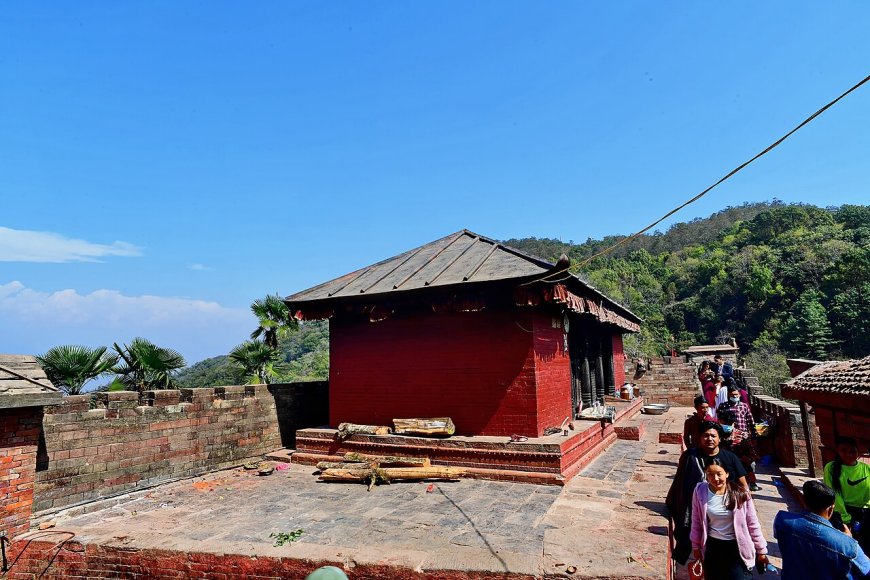
Gorkha Durbar rewards a bit of planning. The hilltop complex sits above Gorkha Bazaar in Gorkha District, and reaching it is a two-part job: first the road, then the stairs. This guide does not quote fares, opening hours, or bus timings — we could not verify any of those as current. What it gives you is how to choose a route, what the climb actually asks of your legs, and the exact questions to settle once you arrive.
Planning the route: Kathmandu to Gorkha and onward
There is no single best way to reach Gorkha — only the trade-off you are willing to live with.
Long-distance bus from Kathmandu
This is the cheapest and the least flexible. You get a seat, a departure that suits the operator, and whatever the road decides to do that day. Luggage goes on the roof or in the aisle depending on how full the bus is. If you are prone to motion sickness, this is the mode that will find you out, because the second half of the drive is hill road with turns stacked on turns. What can go wrong: a late start, a breakdown, a road blocked above you, or a bus that drops you at a junction rather than in town. Ask where you will actually be set down before you buy the ticket.
Private or rented vehicle
Driving yourself, or hiring a car with a driver, buys flexibility. You leave when you like, stop when you like, and carry what you like. The route usually runs along the Prithvi Highway corridor before turning onto the Gorkha road, and the driving itself is the cost: long hours, hill traffic, and a driver who needs to be fresh. If you are hiring, agree clearly on whether fuel, tolls, and the driver's food and lodging are inside the quoted price, and whether the driver is willing to go all the way into Gorkha Bazaar.
Fly to Pokhara, then take the road
Flying to Pokhara and continuing by road cuts out the longest stretch of driving, which matters if your time is short or your back is not what it was. You pay for that in cost and in the risk of a delayed or cancelled flight, which can strand your whole plan for a day. It also works well if you want to close the loop: Kathmandu to Gorkha in one direction and Gorkha to Pokhara in the other, so you are not retracing the same road twice. If you are heading onward after the palace, this is the routing most people find easier to justify. From Pokhara you can also reach Manakamana or Bandipur on the same circuit.
What the seasons do to the road
Two things reliably shape hill travel here, and both are patterns rather than dates.
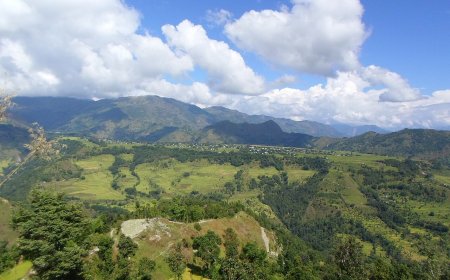
Monsoon rain brings landslide and slope-failure risk on the hill sections, and clearance can take hours or a day. Roads that were fine in the morning may not be fine by evening, so build slack into any tight connection. In the dry months you get the opposite problem: dust, glare, and genuine heat on the exposed stretches, plus more traffic as trekking and pilgrimage season fills the buses. Around major festivals, local transport loads up hard, and seats that were easy to find a day earlier become a scramble. Dashain falls in October in 2026, so if your travel dates land in that window, expect buses and jeeps to be packed, roads busier than usual, and the Durbar's own ritual calendar to affect opening hours. None of this is a prediction for any particular week. It is the reason you confirm road status locally rather than trusting a screenshot.
Shared jeeps and the last local leg
Shared jeeps run on many local hill routes around Gorkha, and they can cover the gap between the bus park and wherever you are staying. Do not treat them as a scheduled service. Operators, departure points, and loading rules vary by route and are not standardised, so ask at the bus park or at your guesthouse the morning you travel.
The walk up to the Gorkha Durbar gate
From the lower bazaar and bus-park level, the climb to the Durbar gate is steep and stepped. Treat it as a stair climb, because that is what it is. A motorable road reaches a parking area near the top — roughly 150–200 metres of steps remain from there to the main gate. If you have limited mobility, you can hire a local taxi or jeep to that parking area and walk the final section. There is no lift and no vehicle access beyond that point.
Start early. The steps are exposed, and by mid-morning in the warm months the stone and the air both hold heat. Carry more water than you think you need and drink it on the way up, not at the top. Wear shoes with grip soles; smooth soles on worn stone, especially after rain, is how people fall. Take the ascent slowly, rest at the landings, and do not try to race a group of schoolchildren. On the way down, short steps and a hand on the rail where there is one.
At the base, the Tallo Durbar area and the bazaar street leading up from the bus park are worth a slow walk — old Newari houses, tea shops, and the rhythm of a town that was once the capital.
Accessibility, effort and altitude
Anyone who can manage a long, uneven staircase at their own pace can usually manage this, and anyone who cannot should plan to enjoy the bazaar, the lower viewpoints, and the town instead. If you use a wheelchair or have limited mobility, or you are travelling with a pushchair, assume the top gate is not reachable by vehicle and ask locally before setting out — the parking area near the top may be an option. For older walkers, the honest advice is fewer stops and more time, not a faster pace. For young children, expect to carry someone at some point. The elevation is not extreme by Nepal standards, but the climb is real work, and people who have come straight from a long drive feel it more than they expect.
What the climb buys you
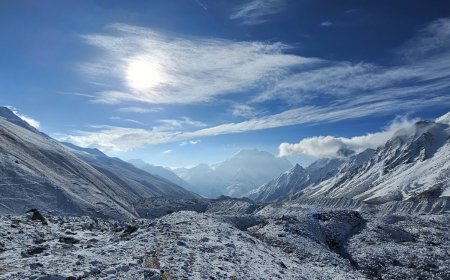
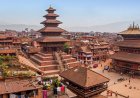
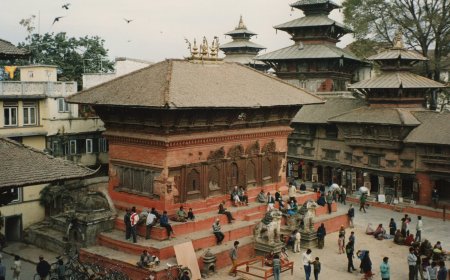
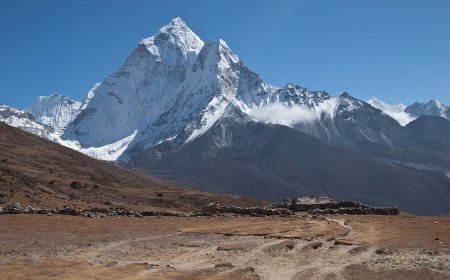
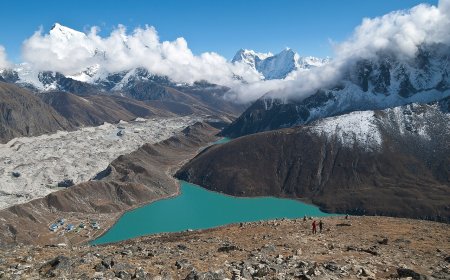
The palace complex itself — the former Shah dynasty seat — crowns the ridge. Inside the walls sits the Kalika Temple, a key pilgrimage spot, especially during Dashain. On a clear day the view north opens to the Himalaya: Manaslu, Himalchuli, and the Ganesh range rise above the valley. The complex was damaged in the 2015 earthquake and restoration has run in phases since, so expect scaffolding or partial closures and confirm at the site office what is accessible today.
Questions worth asking out loud
At the bus park or ticket counter, before you commit: Which bus is this, and exactly where does it stop in Gorkha? And: Has anything happened on the road today that I should know about?
At your hotel or guesthouse, on arrival: How long does the walk to the palace gate take from here, and what time do people normally start up? And: Is there anywhere to refill water between here and the top?
At the site entrance: What is the Gorkha Museum entry fee today, and does that cover everything on the hill or is anything charged separately? Plus: Is the whole stepped route to the top gate open today, or is any section closed?
What we could not confirm today
Information checked as of 11 October 2026. We could not open and verify current entry fees, opening hours, bus departure times, journey durations, or road distances. Confirm on arrival: the Gorkha Museum entry fee and any separate charges; today's opening hours and whether the complex closes for lunch or for any weekly reason; whether any part of the hilltop is closed for repair work; the day's bus and jeep options from the bus park; and current road conditions in both directions. Ask at the site office at the entrance for anything about the monument itself, and the District Administration Office in Gorkha for district-level questions.
What's Your Reaction?