



EV Bikes and Scooters in Nepal 2026: What's on Sale and How Running Costs Work
A practical look at the electric two-wheeler market in Nepal in 2026: who sells what, why on-road prices are hard to pin down, how to work out your own running cost per kilometre, what determines your electricity cost, and why battery swapping still isn't a real option here.

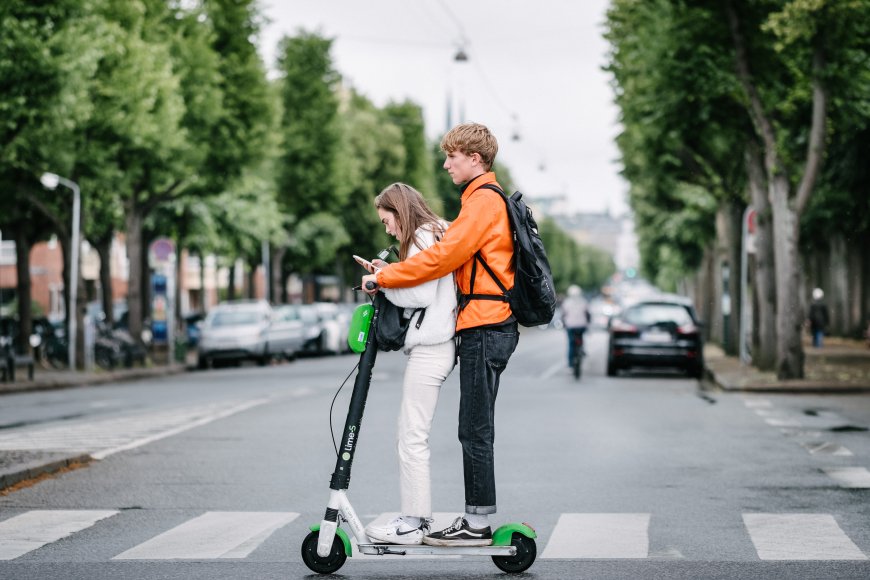
Electric two-wheelers are no longer a novelty in Kathmandu. You see them parked outside offices in Baluwatar and Jhamsikhel, and most showrooms along the ring road now keep a battery-powered scooter next to the petrol ones. What is much harder to find is a straight answer on what one actually costs to run.
Who is actually selling electric two-wheelers here
Over the past few years, authorised channels have been set up by a handful of brands. Yadea and Ather have dealer networks in the valley, Hero's Vida range has been sold through its Nepal distributor, and Bajaj, TVS and NIU have all had electric models on the market at different points. That list shifts faster than anyone updates it. Distributors change, model names change, and a scooter that was everywhere last year can quietly disappear from the price list.
So instead of handing you a model list that may already be stale, the useful habit is to check the importer's own channel directly, their website, their Facebook page or the showroom phone number, and ask three things: is the model in stock, what is the on-road price, and who services it.
Why sticker prices are so hard to compare
Ex-showroom and on-road are two very different numbers in Nepal. On-road means ex-showroom plus registration, road tax, and whatever the dealer adds on top. Registration and tax depend on the province and the vehicle category, so the same scooter can land at different prices in Kathmandu and Pokhara. Add the fact that many importers publish specifications online but not prices, and you get the situation buyers keep running into: you have to call or walk in to get a figure in writing.
Ask for the full breakdown as a written quote. A dealer who won't put the on-road figure on paper is telling you something.
How running cost per kilometre actually works
The mistake people make is trying to squeeze everything into one number at once. It helps to split it into two separate things: running cost per kilometre, and total cost of ownership.
Running cost per kilometre comes out of two buckets. First, energy: whatever you pay per unit of electricity, divided by how many kilometres the scooter covers per unit. Second, wear and tear: servicing, tyres and consumables over a year, divided by the kilometres you ride in that year. Add the two and you have a genuine per-kilometre running figure.
Total cost of ownership is a different calculation and covers the whole time you own the vehicle: purchase price plus every rupee of running cost, insurance and servicing, minus what you eventually sell it for, all divided by the total kilometres you rode it. Resale belongs at the end of that equation, spread over the full ownership period, not subtracted from a single year's running cost. Doing the latter is a common way to get a nonsense number.
I have deliberately left rupee figures out of the arithmetic. Electricity rates and petrol prices both move, and any number I typed today could be wrong within months. The method above lets you plug in your own bill and your own daily commute, which is more accurate than any national average anyway.
What determines your electricity cost
If you charge at home, your cost is not a single national rate. NEA bills domestic consumers in slabs, so adding a scooter to your evening load pushes you further up the slab rather than being charged at one flat rate. Read your own bill, work out the marginal rate, and use that number. It is the one that matters.
Home charging almost always beats public charging on price, though the size of the gap depends on your battery and your slab. Public charging points, run by a few hotels, malls and fuel stations around the valley, charge a premium for convenience, and coverage outside Kathmandu is still thin.
Petrol comparison, without pretending to be precise
The honest version: an electric scooter's energy cost per kilometre usually sits well below a petrol scooter's, and the gap widens when fuel prices rise. What closes it is the purchase price. Electric two-wheelers in Nepal are generally more expensive up front than comparable petrol models, so the savings build month by month rather than showing up on day one. Nobody can tell you your break-even point without knowing your commute length, your electricity rate and your actual purchase price. Anyone quoting a fixed payback period without asking those questions is guessing.
Battery swapping: still not a thing here
Swap stations are the big promise of the electric two-wheeler world, and Nepal keeps getting mentioned as a future market. As of late 2026 I could not find evidence of a commercial swap network actually operating for ordinary consumers here. If a dealer tells you swapping is coming soon, treat it as a plan rather than a feature, and don't pay extra for it today.
That leaves charging as your reality: a home point, and public chargers when you are out. Plan your riding around that.
Duty, tax and the budget cycle
Electric vehicles have generally been treated differently from petrol vehicles at customs, and successive budgets have moved those rates around, sometimes in an EV-friendly direction and sometimes not. Rather than quote a rate that may already have been revised, the reliable move is to ask the dealer which fiscal year's rates the quoted price reflects, and to check the current Finance Act and the Department of Customs tariff yourself if the amount matters to you. Provincial registration treatment is a separate question again, so ask about it in the province where you will register the scooter.
Things worth asking before you pay
- Written on-road price, with registration and tax listed separately.
- Battery warranty in years and in kilometres, and what happens if capacity drops.
- Where the nearest authorised service point is, and whether they stock battery packs.
- Whether the charger is included, and what it draws from your meter.
- Real-world range in Kathmandu's hills and traffic, not the brochure figure. Ask an owner.
Resale, briefly
The used electric two-wheeler market in Nepal is still thin, and battery condition drives the price more than anything else. Keep your service records, avoid hammering the pack with constant fast charging, and your resale will beat the same model with a mystery history. That is about as far as anyone can predict it.
None of this will hand you a single neat rupee-per-kilometre figure in a blog post, because that figure is personal. The method, though, is stable, and if you run your own numbers through it you will get an answer you can trust far more than one I typed out for you.
What's Your Reaction?