














How the Interest Rate on a Farm Loan in Nepal Is Actually Set (FY 2083/84 / 2026/27)
How the interest rate on a Nepali farm loan is built from a bank's base rate plus premium, why subsidised schemes price differently, and what documents and security a farm borrower actually needs.

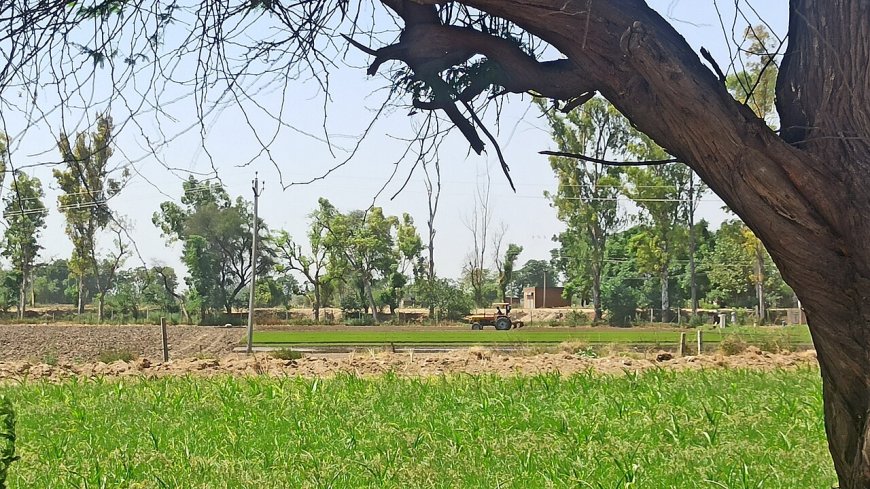
Two farmers can walk into the same bank on the same day, ask for an "agriculture loan", and walk out with different prices. Neither is being cheated. The rate on a farm loan is assembled from parts, and the number a bank advertises is usually only one of them.
This guide walks through the parts, the channels that change them, and the paperwork you will need. It does not print a rate, because rates move and a figure copied from last year is worse than no figure at all. Every number below tells you where to get the live version.
What "subsidised" actually means in Nepali farm lending
Two completely different mechanisms get called a subsidised farm loan in Nepal, and confusing them is the fastest way to misjudge what you will pay.
The first is an interest subsidy. You borrow at the bank's normal rate, and the government pays a slice of the interest, usually credited into your loan account. Your contract rate stays the same; your outflow drops.
The second is concessional refinance. Nepal Rastra Bank, or a fund acting for it, lends money to the bank at below-market cost on the condition that the bank on-lends it to eligible borrowers at a lower rate. Here the rate on your paper is lower from day one.
Layered over both is directed lending. NRB obliges banks to place a minimum share of their lending in priority sectors, agriculture among them, and defines those sectors in circulars. Those definitions and thresholds are revised most years, so treat any percentage you remember from an earlier year as expired. Read the current financial year's monetary policy and the relevant chapter of NRB's consolidated directives, and read the chapter itself rather than a news summary of it.
How the interest rate on a farm loan is actually set
Almost every bank price in Nepal is a base rate plus a premium.
The base rate reflects the bank's own cost of funds and operating expenses, calculated under NRB's base rate rules and published by each bank with a date attached. It moves when the bank's costs move. The premium sits on top and covers the risk of your particular loan: the sector, the tenor, the security offered, whether the repayment schedule matches how your farm earns.
Agriculture often attracts a softer premium than commercial lending because of the directed-lending incentives, but that is not automatic and not uniform. It is the single biggest reason two banks quote different numbers for what sounds like the same product.
NRB also publishes a weighted average lending rate series that includes agriculture. It is a useful sanity check when an offer feels off. It is not your rate. It is an average across the whole sector, all sizes, all tenors.
Ask the bank for four things in writing before you compare anything: the base rate and the date it was last revised, the premium applied to your product, the full fee list (processing, renewal, valuation, insurance, documentation), and the clause that lets the rate reset during the loan. A cheap headline rate with a steep processing fee and an annual reset is not cheap.
Three routes to a farm loan, three different prices
The bank's own agri product. Funded from the bank's balance sheet, priced at base plus premium, no subsidy attached. It is usually the fastest route and almost always the most expensive.
A refinance or concessional window. Cheaper money for the bank, part of which is meant to reach you. Availability depends on whether your bank is a participant, whether your activity falls inside the eligible list, and whether the window is open that year.
A government interest-subsidy programme run through banks. You borrow normally and the subsidy is applied afterwards. Whether it is running, and how much of the interest it covers, depends on the budget and on your bank's participation in that year.
Which one fits depends on the farm, not on the acronym. A seasonal crop loan needs instalments timed to the harvest, not twelve equal monthly payments. An irrigation or shed investment suits a term loan with a longer horizon. And if your problem is collateral rather than price, the answer may be a guarantee-backed loan rather than a cheaper scheme.
Security, collateral and the guarantee route
Land is the standard security for agricultural lending in Nepal, and most banks will ask for it first.
Agricultural loans without collateral do exist, but the caps and thresholds are set by circular and revised, so do not plan around a figure you heard from a neighbour or read in an old article. Ask the branch what its current unsecured limit is, and get the answer in writing.
The Deposit and Credit Guarantee Fund is the route most farmers have never heard of. It provides a credit guarantee so the bank can lend against a partial cover instead of full collateral. Understand what it does and does not do: it substitutes for security, it does not remove the debt. You still owe the money, the bank still appraises you, and if you default the fund settles its share with the bank and then recovers from you.
On livestock as security, warehouse receipts, and tenancy records: practice varies between banks and the rules shift. Confirm with your own branch in writing before you build a plan around any of them.
The document checklist for an agriculture loan in Nepal
Branches differ, so ask yours for a written list. In practice it usually comes down to:
- Citizenship certificate, photographs, and full KYC for every applicant and co-applicant
- Land ownership certificate and the registration and tax receipts that go with it, plus consent from co-owners
- Tenancy or land-use records where the land farmed is not your own
- A short project note: what you will grow or raise, the cost estimate, and quotations for any machinery or irrigation work
- Evidence of income, which for a farm means harvest and sales records, cooperative or mandi slips, or household income documents if family earnings support repayment
- Insurance where the bank requires it
- Guarantor documents if a third party is standing behind the loan
- PAN or firm registration if you borrow in a business name
Carry originals and two sets of copies. Getting the file complete on the first visit saves weeks.
Before you sign
Read the repayment schedule against your harvest calendar. Ask what happens if one season fails, whether there is a moratorium, and what a missed instalment does to your credit information record, because a blacklisted borrower finds the next loan much harder and more expensive. Ask about prepayment. Then check the base rate again on the day you sign.
And when someone quotes you a rate, ask them for the date on it.
Last updated: 24 November 2026. This article is general information, not financial advice. Scheme terms, eligibility rules and interest rates change, and the version of NRB's directives that applies is the current one. Confirm current rates, subsidies and documents with your bank and with Nepal Rastra Bank before you borrow.
What's Your Reaction?