












Actionable Climate‑Smart Farming Guide for Nepal’s Smallholder Farmers (2024)
A practical, step‑by‑step guide for Nepal’s smallholder farmers to adopt climate‑smart practices, featuring recent case studies and free government resources.

Introduction
Smallholder farmers in Nepal can boost yields and income while building climate resilience by following a clear, step‑by‑step approach. This guide outlines practical actions that can be started today, using resources that are freely available through government programs and open‑source tools.
Step 1: Conduct a farm assessment
Begin by mapping the size of your holding, the current crops, and the main water sources. Use the free Kisan Call Center (1800‑555‑555) to request a basic soil test kit, or visit the nearest extension office for a quick visual assessment. Record the slope, soil texture, and existing irrigation infrastructure; this information will guide the next steps.
Step 2: Improve water management
Harvest rainwater in simple earthen tanks or tarpaulin ponds to supplement dry periods. Where feasible, install a solar‑powered pump combined with drip lines; a 2023 pilot in Makwanpur district showed a 15% yield increase when farmers used this low‑cost combination (Department of Agriculture Extension Report 2023). Connect the system to the government’s SMS weather alert service to time irrigation events based on forecasted rainfall.
Step 3: Enhance soil health
Apply organic compost or well‑rotted manure at a rate of 5‑10 t/ha to increase organic matter. Mulching with straw or locally available crop residues helps retain moisture and suppress weeds. The Rural Development Bank’s climate‑finance portal lists micro‑credit options for purchasing composting equipment, and the Ministry of Agriculture and Livestock (MoAL) publishes quarterly guidelines on soil conservation practices.
Step 4: Diversify crops
Introduce at least one climate‑resilient crop such as drought‑tolerant millets, pulses, or high‑yielding rice varieties approved by MoAL. Rotate these with existing staples to break pest cycles and improve soil nutrients. The FAO Nepal Impact Evaluation 2024 reported a 12% rise in household income for Terai farmers who adopted a climate‑smart rice system that combined improved seed, alternate wetting and drying, and integrated pest management.
Step 5: Adopt low‑cost climate‑smart technologies
Use the open‑source Farm Management Portal (available on the MoAL website) to track planting dates, inputs, and weather data. Community weather stations, funded by local municipalities, provide hyper‑local forecasts that can be accessed via mobile phones. All these tools are free and supported by extension services, ensuring that technology adoption does not require additional spending.
Case Study 1: Solar‑pump and drip‑irrigation in Makwanpur (2023)
A pilot project supported by the Department of Agriculture Extension installed solar pumps with drip irrigation on 12 farms covering 8 ha. Yield of vegetables rose by 15% compared with rain‑fed plots, and water use dropped by nearly 40%. The success was attributed to reliable power from solar panels and precise water delivery through drip lines, both of which are now part of the MoAL’s subsidized equipment list.
Case Study 2: Climate‑smart rice project in the Terai (2024)
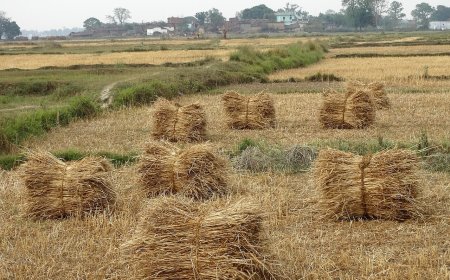
The 2024 climate‑smart rice initiative, evaluated by FAO Nepal, covered 5 ha of paddy land where farmers switched to a system of alternate wetting and drying, used certified high‑yielding varieties, and applied integrated nutrient management. Net household income increased by 12%, and the project benefited from the government’s free seed distribution scheme and the Kisan Call Center’s advisory support.
Government schemes and financing
Several current schemes support climate‑smart practices: the Pradhan Mantri Fasal Bima Yojana provides insurance against climate‑related losses; the Pradhan Mantri Krishi Sinchayee Yojana offers subsidies for irrigation equipment, including solar pumps; and the Rural Development Bank’s climate‑finance portal lists low‑interest loans for water‑saving technologies. Recent cabinet decisions (2023) increased subsidy rates for drip irrigation kits, making them more accessible to smallholders.
Conclusion
By assessing the farm, managing water wisely, improving soil health, diversifying crops, and leveraging freely available technologies, Nepal’s smallholder farmers can achieve measurable gains in productivity and resilience. The two recent case studies demonstrate that modest, low‑cost interventions can translate into tangible yield and income improvements, especially when backed by government schemes and extension services.
What's Your Reaction?