







How to Verify a Nepal Expedition Permit Before You Pay
A practical checklist for verifying a Nepal expedition permit before wiring money: check the current peak list on the Department of Tourism site, confirm the agency's trekking/mountaineering licence number, insist on an official government royalty receipt, understand that foreign climbers must apply through a Nepali agency, and keep your own copies of every document. Includes direct links to DoT and NMA, plus internal guides on rescue insurance, helicopter evacuation, and choosing an agency.


An expedition to a Himalayan peak is one of the largest single payments a trekker or climber will ever make, often several thousand dollars per person before flights. The awkward part is that the paperwork behind a mountaineering permit granted for one specific summit and one specific season is rarely seen by the person paying for it. What most applicants get is a PDF forwarded by a broker.
That gap is where things go wrong: deposits wired to an agency that has stopped renewing its paperwork, permits issued in the wrong name, peak closures nobody mentioned until the team was already in Kathmandu. All of it is checkable before you transfer money, if you are willing to do twenty minutes of reading first.
Start with the official source, not the operator's own document
Any agency can produce a handsome PDF. What you want is the government page the PDF was supposedly copied from. Over the years the peak-listing and royalty functions have sat with the Department of Tourism and, at other times, with the Nepal Mountaineering Association. Which office is publishing what right now is something you confirm rather than assume, because older blog posts on this subject are quietly wrong. Search for the authority's own site, open the page yourself, and look at the date printed on it. If a page carries no date at all, treat it as possibly stale and cross-check with a second official page or a phone call.
- Department of Tourism (DoT): tourism.gov.np — current peak lists, royalty schedules, and agency licence register.
- Nepal Mountaineering Association (NMA): nma.org.np — trekking peak information and historical context.
Check the peak's status on the current listing
This is the step people skip, and it decides everything else. If the current open peak list shows your summit as closed for the season, no fee, no operator and no amount of goodwill will make the climb legal. Ask the authority for the current list in writing, by email if possible, and keep the reply. The list may exist as a web page, a PDF or a notice that supersedes the previous one, and it may not be easy to find, so requesting it directly is perfectly normal rather than a sign you are missing something obvious. Fallback: have your operator send you the dated official notice or list they are working from.
Note also what category your peak sits in. Peaks classified as trekking peaks follow a different route from full expedition peaks, with different fees and different paperwork. A broker who blurs the two is telling you something about how closely they read the rules. Background: trekking-peak permits shifted from NMA to the Department of Tourism around 2022, so the split makes sense to a first-timer.
Confirm the licence number yourself
Every agency running expeditions should hold a current trekking/mountaineering agency licence issued and renewed by the Department of Tourism, and that licence comes with a number. Ask for it in writing, then check it against the register the DoT currently maintains. Two details matter more than the number itself. First, the company name on the licence must match the company you are paying. Second, the licence must be current, not expired last season. A licensed operator only means they are allowed to operate. It does not promise you a permit, and any agency that implies otherwise has oversold its own position.
Who applies for the permit, and in whose name
Foreign climbers generally cannot file directly; the application has to come through a licensed Nepali agency. Permits should be issued in the passport name of the climber, not collected under an agency's name with your fee buried inside an invoice. Ask plainly: who submits the application, when, what documents are needed from you, and what happens if it is refused. Ask what evidence you will receive and at what point, because expedition permits are often issued close to the departure date, long after the deposit has cleared. That timing is normal. Never getting a straight answer about it is not.
Fees: get the schedule, not a number — and the receipt
Royalty depends on the peak, the season, the size of the team and the classification of the summit, and schedules get revised. This guide deliberately does not quote an amount, because a figure copied from an older page is worse than no figure at all. Instead, ask the authority, or ask your operator, for the official schedule and the date it was published. If an agency quotes an all-inclusive price with no breakdown, ask for the breakdown in writing. Most important: the royalty should be traceable to an official government receipt or voucher, not just an agency invoice. That is the single most concrete verification step in the whole process — insist on seeing it before you pay the balance.
Insurance and rescue: the part people skip
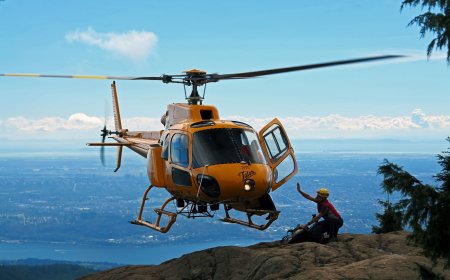
Check that your policy actually covers mountaineering up to the altitude of your summit, helicopter evacuation from the relevant areas, and repatriation. Many standard travel policies exclude all three, and a rescue that must be paid upfront is a bill that lands on whoever is standing there. Ask who arranges the helicopter, who pays first and who reimburses, and confirm the operator's own rescue arrangements in writing before departure. For more on this, see our guides on rescue insurance for Nepal and helicopter evacuation procedures.
Keep your own copies
Before you leave, hold digital and printed copies of the permit, the operator's licence, the payment receipts, the official government royalty receipt, your insurance policy with the emergency number, and the name and contact of whoever is handling you on the ground. If something goes wrong at a checkpoint or a base camp office, the person with the documents tends to be the one who gets listened to.
Red flags worth a pause
Pressure to pay within hours. No licence number, or one that does not match the company name on the invoice. A peak quoted as open without a fresh date attached. Fees described as negotiable. No written answer about what happens if the permit is refused. Any of these on its own might be sloppiness. Two or three together is a reason to walk away and start again with someone slower and duller who answers emails properly. For help picking a reliable operator, see our post on choosing a trekking agency in Nepal.
What's Your Reaction?