




Nuwakot Durbar and Kakani 2026: What Survived, What Is Being Rebuilt, and How to Get There from Kathmandu
A practical guide to Nuwakot Durbar and Kakani covering what survived the 2015 earthquake, ongoing repairs, and how to check access and transport before travelling from Kathmandu.

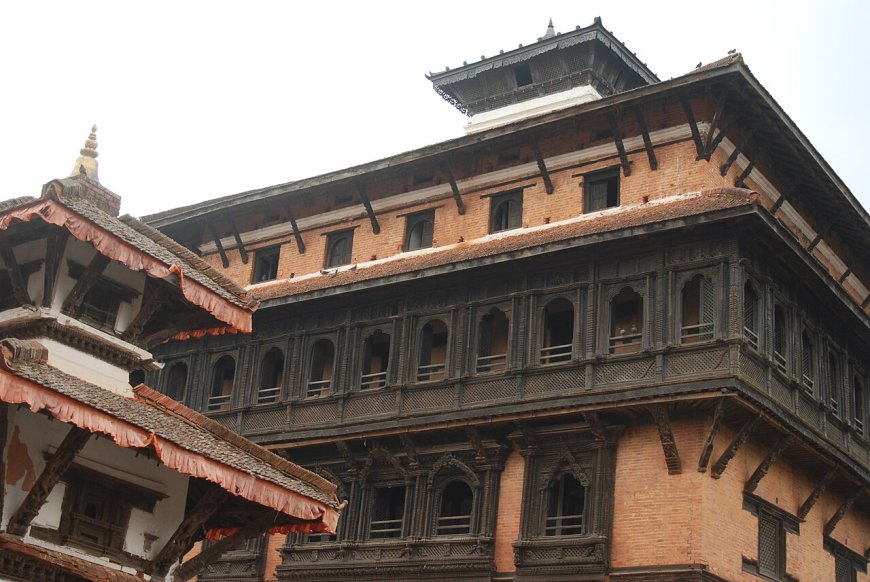
Nuwakot travel guide: what survived, what is being rebuilt, and how to get there from Kathmandu
Last updated October 2026
Nuwakot district sits north-west of Kathmandu, its administrative centre Bidur clustered around a historic hilltop palace complex known as Nuwakot Durbar. The site has been linked to Prithvi Narayan Shah since the unification era, and the earthquake of April 2015 caused extensive damage across the complex. Repair work has been ongoing since then, though the pace and current access vary by structure. Further up the road corridor, Kakani is a hill settlement known for Himalayan panoramas on clear days. This guide covers what a visitor can expect, what remains uncertain, and the practical channels to check before travelling.
The Durbar complex: what the site is
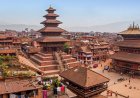
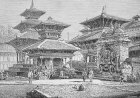
The palace complex occupies a ridge above the Trishuli River. Its core includes the seven-storey Satpaitale Durbar, the Ranga Mahal, and a cluster of temples and courtyards that once served both administrative and ceremonial functions. The association with Prithvi Narayan Shah is well documented in published histories and site interpretation; specific anecdotes — such as those involving the karuwa or precise birth and death locations — appear in local histories and museum plaques, but their details vary by source. A visitor today sees a mix of stabilized masonry, scaffolded wings, and open courtyards where stone paving has been relaid.
Reconstruction context since 2015
Post-earthquake assessments by the Department of Archaeology and partners identified structural failures in the main palace block, several temple plinths, and the perimeter walls. Work has proceeded in phases: emergency propping, documentation, and stone-by-stone reassembly using traditional lime mortar where possible. Because funding, technical approvals, and seasonal access all affect the timeline, no single completion date or percentage figure can be treated as current. The most reliable way to learn what is open on a given day is to contact the Nuwakot District Administration Office or Bidur Municipality before departure, or to ask at the site office on arrival.
Bhairav Temple and other shrines
The Bhairav Temple sits within the complex. Its condition and access status have not been confirmed by a dated 2026 source, so this guide does not state whether it is open, restricted, or under active repair. Treat it as part of the general check-before-you-go process described above.
Getting to Nuwakot from Kathmandu: the route, and how to check schedules
The main road corridor runs north from Kathmandu through Tokha, Chhahare, and Battar before climbing to Bidur. Public buses and shared jeeps operate the corridor throughout the day, departing from Kathmandu's northern bus parks and from roadside stops along the ring road. Departure frequencies, exact berth numbers, and fares change with season, fuel adjustments, and operator decisions. The only durable advice is to ask at the bus park counter on the day of travel, or call the Nuwakot District Administration Office for the latest local transport guidance. Private vehicle hire is also an option; agree the fare and route before leaving Kathmandu.
Kakani: a viewpoint stop on the same road
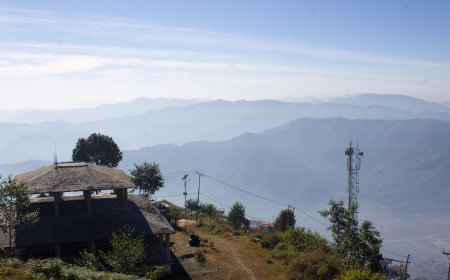
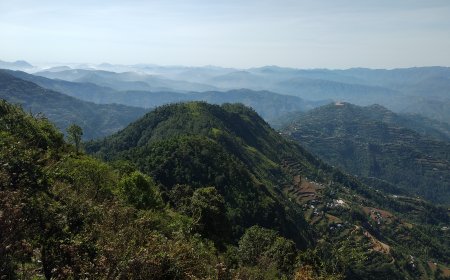
Kakani lies on the same corridor, higher up the ridge before the final descent to Bidur. Its reputation rests on Himalayan views — Langtang, Ganesh Himal, and sometimes Manaslu — especially at sunrise and after the monsoon clears. The settlement has basic tea shops and a few lodges. No specific memorial or facility is named here because current ownership, public access, and naming have not been verified by a dated defence or Gurkha welfare publication or a 2026 visitor report. Treat Kakani as a viewpoint break; confirm locally whether any side sites are accessible on the day.
Before you go: concrete channels to check
- Nuwakot District Administration Office — the district-level authority for site access, local transport advisories, and any entry requirements.
- Bidur Municipality — the local municipal office handling on-the-ground logistics around the Durbar area.
- Site office at Nuwakot Durbar — staff on site can confirm which courtyards and structures are open that day.
Do not rely on social media posts, undated blog articles, or word-of-mouth for access status, ticket fees, or transport times. Any applicable fee is payable on site and can change without notice; no price is published here because fee-taking at heritage sites in Nepal has been revised repeatedly and a figure without a dated official source would be misleading.
What to expect on a day trip
Allow a full day from Kathmandu if you plan to walk the Durbar courtyards, pause at Kakani for views, and return before dark. The road is paved but winding; landslides can block sections during monsoon. Carry water, snacks, and a light jacket for the elevation gain. There are no endorsed hotels, restaurants, or homestays in this guide — options exist in Bidur and Kakani, but recommendations would require current verification.
If the reconstruction sources underpinning this guide lapse and nothing new replaces them, the date stamp above stays where it is and the page ages honestly. Check the channels listed here each time you plan a visit.
What's Your Reaction?