



Helicopter Rescue in Nepal: How Trekking Insurance Evacuations Work
A practical guide to how helicopter evacuations work in Nepal, what trekking insurance actually covers, the difference between medevac and search-and-rescue, who pays and when, and the paperwork you need to avoid claim denial. Includes questions to ask your insurer before you buy and a blank worksheet to compare policies from source documents.

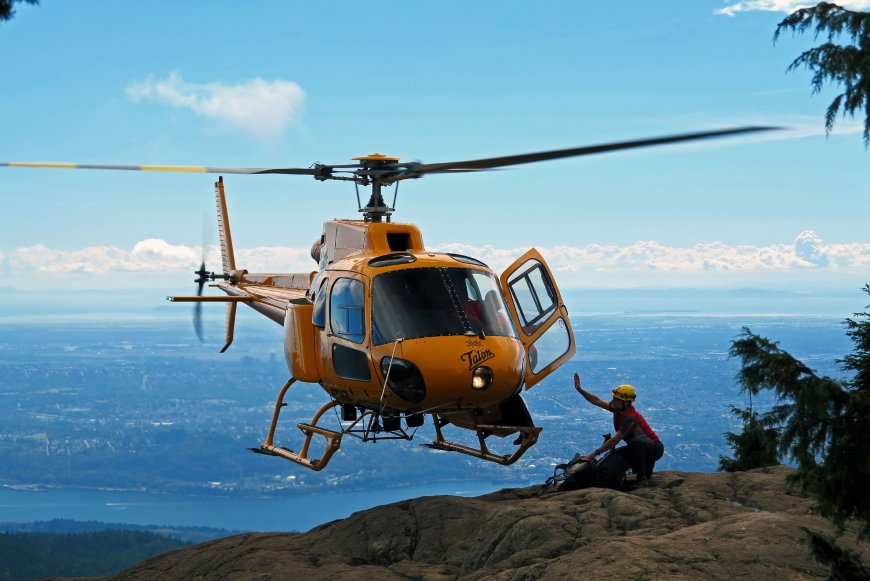
It usually starts small. A headache that paracetamol doesn't touch. A night without sleep. A guide watching you stumble on a stretch you walked cleanly yesterday. Above roughly 3,000-4,000 metres, the call for a helicopter almost never comes from the person who needs it, and the person who makes it is usually a Nepali guide who has watched altitude illness go bad before.
There is no single universal process after that. Sequence, authorisation rules and payment habits vary by insurer, by assistance company and by whichever operator is on the ground. What follows is the shape of the chain, with the points worth confirming in writing before you fly to Kathmandu.
The evacuation chain, step by step
1. Someone recognises the problem. You, your guide, a lodge owner, a fellow trekker. In practice it's often the guide, because guides are the ones who see the difference between tired and deteriorating.
2. A call goes out. Either to your insurer's 24-hour assistance line, or to a local helicopter operator, or to a trekking agency's Kathmandu office. Sometimes all three. Carry both numbers offline, leave a copy with your guide, and agree in advance who calls whom. Failing to contact the assistance line before treatment or evacuation can reduce or void reimbursement — this is the most common avoidable claim killer.
3. Authorisation is given, or withheld. A case manager or medical team at the assistance company decides whether your situation meets the policy's definition of an emergency. They may ask to speak to the guide or a treating doctor. They may ask for symptoms, oxygen saturation, vitals. Confirm with your insurer what their authorisation actually requires, because this is the step where policies differ most.
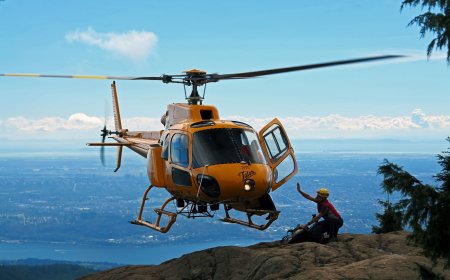
4. The helicopter flies, or it doesn't. Authorisation is not a flight. Weather, visibility, daylight, aircraft availability and the landing spot all have a say. Helicopters do not fly into cloud, and high valleys cloud over fast. A delay here is usually conditions, not conspiracy, though it's fair to ask your operator how they handle weather holds.
5. Someone pays, or promises to. This is the step trekkers ask about most, and there is no single answer. See below. Operators quote per flight; ask your operator and insurer what a quoted figure covers, and in which currency.
6. The claim gets documented and reimbursed. Or, if you paid nothing up front, the paperwork still has to line up for the insurer.
Who pays the helicopter: you, the insurer, or the agency?
Three patterns show up, and your policy wording decides which one you're in. Some insurers and assistance companies issue a guarantee of payment straight to the operator. Some expect you to pay and reimburse you afterwards. Others see the trekking agency front the cost and claim it back. Ask which applies to your policy, in writing, before you buy.
Worth knowing: helicopter operators may ask for payment or a written guarantee before they lift off. That is normal commercial practice in a place with no billing relationship to your insurer. It isn't automatically a red flag.
Medical evacuation versus search and rescue
Most trekking policies cover medical evacuation — moving you from the mountain to a hospital when a doctor says it's medically necessary. Search and rescue (SAR) is different: it's the effort to locate and extract someone who is lost, injured but not yet reached, or in terrain that requires specialised teams. In Nepal, SAR is typically coordinated by the Nepal Army, Nepal Police or the Trekking Agencies' Association of Nepal (TAAN), and the costs can be substantial. Many standard travel policies exclude SAR entirely or cap it far below medevac limits. Check the wording: if your policy only mentions "emergency medical evacuation," SAR costs are likely on you.
What happens if you go above the altitude your policy covers?
Altitude limits are often tiered. A base limit, with an extension you can buy for higher terrain. Some are hard ceilings. Check whether breaching the limit only affects the altitude-related claim or whether it can void cover for the whole trip, and get the answer from the policy wording rather than a summary page.
Is altitude illness treated as an illness?
It varies. Some policies treat acute mountain sickness and its severe forms as a covered medical emergency. Others exclude altitude-related conditions outright, or treat a previous episode as a pre-existing condition. This is medical territory, not something a blog should diagnose, so talk to a doctor about altitude illness and to your insurer about whether their wording covers it.
If the assistance line declines authorisation
If your insurer's assistance team refuses to authorise a flight, the helicopter operator will still expect payment or a guarantee. That guarantee is often signed by you or your agency on the spot. You may still claim reimbursement later if you can document medical necessity — a doctor's report, vitals, the guide's log — but success depends entirely on your policy wording. Some policies only reimburse if authorisation was obtained beforehand; others assess medical necessity after the fact. Ask this question before you buy and keep the written answer.
The paperwork that decides your claim
Claims from Nepal typically need a report from the treating facility, something confirming the evacuation was medically necessary, flight or evacuation records, and receipts. Missing paperwork is one of the most common reasons claims stall or fail. Requirements do change, so verify current ones with your insurer and with Nepal's Department of Tourism under the Ministry of Culture, Tourism and Civil Aviation rather than relying on a forum post from three seasons ago.
Questions to email your insurer before you buy (keep the reply)
- Is trekking in Nepal a covered activity on this policy, and up to what altitude?
- If I'm at 5,000m and my guide calls for a helicopter, do you pay the operator directly?
- Is altitude sickness covered as an illness, or excluded?
- Does the policy cover medical evacuation only, or also search and rescue?
- What are the per-evacuation and per-trip limits?
- What excess applies to a helicopter evacuation?
- Do I need medical screening for pre-existing conditions before the policy is issued?
- Must the policy be bought before I leave my home country?
- What exact documents do you need from Nepal to process a claim, and who there has to sign or stamp them?
- If my guide calls your assistance line and you decline authorisation, what happens to the bill?
Save the reply. A written answer from an insurer is worth more than any comparison table, including this worksheet.
Fill this in yourself, from dated documents
| Insurer | Max altitude | Trekking covered? | Direct payment or reimbursement | Evacuation cap | Pre-existing conditions | Excess | 24-hour assistance contact | Source document & date |
|---|---|---|---|---|---|---|---|---|
Leave a cell blank unless you can point to the document it came from. A blank cell is honest. A guessed number isn't.
Why the paperwork matters now
Media reports in early 2026 described police investigations into alleged evacuation fraud involving some guides and agencies in the Everest region. The allegations are contested and unproven; climbing publications and guide associations have pushed back on the framing. None of this changes how insurance works, but it does mean insurers and operators may scrutinise documentation more closely. Buy on the wording, not the price, and keep every document you're handed in Nepal.
What's Your Reaction?