



Manaslu Circuit Trek 2026: Operator Licence & Permit Check
A practical verification checklist for the Manaslu Circuit Trek 2026, showing where to confirm restricted‑area, conservation, TIMS and climbing permits, how to check a trekking agency’s licence with DoT and TAAN, and what to look for in deposit and refund terms.

If you are booking a Manaslu circuit trek for 2026, the money often moves before the paperwork does. A deposit goes out by transfer or wallet, the operator says permits will be handled, and you fly to Kathmandu hoping the licence behind that promise is real. This article is a verification checklist: it shows you where to look for the official sources, what each permit entails, and how to confirm a trekking agency’s licence before you pay.
Unless noted otherwise, all information reflects the status as of 7 October 2026; items marked “unverified” indicate we could not locate an official source on the issuing body’s own page.
Restricted‑area permit (Manaslu and Nar‑Phu)
The Department of Immigration (DoI) issues the restricted‑area permit for the Manaslu Conservation Area and for the separate Nar‑Phu valley, acting on a recommendation from the Department of Tourism (DoT). Applications must be submitted through a registered trekking agency, and the minimum group size is two trekkers. Status: verified – DoI’s restricted‑area permit page (doi.gov.np/permits/restricted-area) lists these requirements, checked 7 October 2026.
Manaslu Conservation Area permit
The National Trust for Nature Conservation (NTNC) issues the conservation‑area permit for the Manaslu Conservation Area via its MCAP project office. The permit fee is collected alongside the restricted‑area permit and is mandatory for all trekkers entering the area. Status: verified – NTNC’s MCAP page (ntcn.org.np/mcap/permit) shows the current fee schedule and application process, checked 7 October 2026.
TIMS card
The Trekkers’ Information Management System (TIMS) is now managed by the Nepal Tourism Board (NTB) in cooperation with the Trekking Agencies’ Association of Nepal (TAAN). TIMS cards are issued online through the NTB portal and are required for all trekkers, regardless of region. Status: verified – NTB’s TIMS portal (tims.gov.np) displays the online application form and fee, checked 7 October 2026.
Climbing permits for peaks in the region
Climbing permits are split between the Nepal Mountaineering Association (NMA) and the Department of Tourism (DoT) based on peak height. Peaks below 6,500 m (the NMA trekking‑peak ceiling) require an NMA permit; higher peaks, including Himlung Himal (7,126 m), need a DoT expedition permit. The royalty rates and required documents are published on each authority’s site. Status: verified – NMA’s trekking‑peak list (nma.org.np/peaks) and DoT’s expedition‑permit page (tourism.gov.np/expedition) were consulted 7 October 2026.
How to verify a trekking agency’s licence
Ask for the agency’s registered name and licence/registration number, then check them against the Department of Tourism’s registry (tourism.gov.np/agency‑registry). Confirm TAAN membership via the TAAN member directory (taan.org.np/members). Request the name and licence number of the guide who will lead your group, and verify that guide’s credentials with the Nepal Academy of Tourism and Hotel Management (NATHM) if desired.
Deposit, refund and confirmation you should receive
A written booking confirmation is worth more than a chat thread. It should state the agency’s registered name and number, the named licensed guide, permit line‑items (restricted‑area, conservation, TIMS, any climbing permit), the payment schedule, and the refund or postponement terms. Most importantly, it must specify what happens if a route, a permit or the schedule changes after you have paid.
Treat these as red flags: cash‑only requests with no receipt, a refusal to give a licence number, no written terms at all, and pressure to pay before permits are confirmed. The complaint route – through the registering body and the Department of Tourism – remains unverified as a formal process, but you can still lodge a grievance with the agency’s licensing authority.
If plans change
Before you pay, ask about cancellation cover and medical‑evacuation cover on your travel insurance, and read the trekking‑specific exclusions. If a permit or a route changes, the useful questions are: who bears the cost, whether the deposit converts to a credit or a refund, and how long that takes. Get the answer in writing.
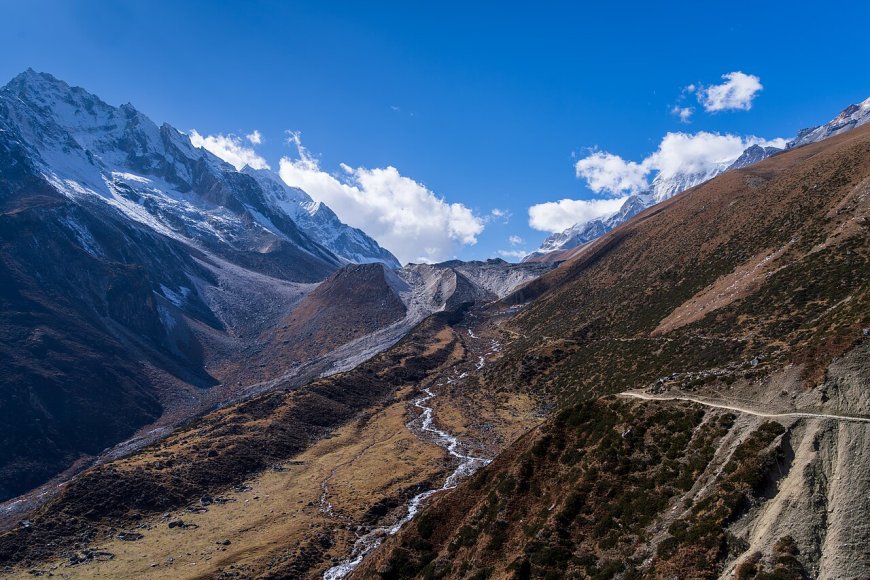
This checklist does not tell you what the Manaslu region looks like today. It does mean you will know who you paid, what they were licensed to do, and which office was supposed to issue your paperwork.
What's Your Reaction?