








Tourist SIM Card and Mobile Data in Nepal (2026): NTC vs Ncell, Registration, eSIM Reality, and Where to Buy
A practical 2026 guide to choosing between NTC and Ncell, registration rules, eSIM reality, official purchase channels, cost structure, and grey-market risks for tourists in Nepal.

You land in Kathmandu, phone in hand, and the first thing you need is data. Not tomorrow — now. This page cuts through the noise so you can decide between NTC and Ncell, understand what registration actually asks of you, and avoid the traps that catch travellers every season.
Quick answer / decision box
Best all-rounder: Ncell — stronger in cities and on major trekking corridors. Best for remote valleys: NTC — wider rural footprint. Documents: Passport and visa copy at an official counter. eSIM: Only confirmed for existing Ncell subscribers as of 2022; no live 2026 tourist channel published. Buy: Official airport counters or branded stores — not the guy waving a SIM at arrivals. Cost structure: Small upfront SIM fee + recharge for data packs; check operator pages for today's numbers.
NTC vs Ncell for tourists
Both are state-linked (NTC fully, Ncell majority), both run 4G, both sell tourist prepaid packs. The difference shows up where you walk.
Kathmandu, Pokhara, Chitwan, Lumbini: Ncell usually feels faster, especially indoors. NTC holds its own outdoors and in government-office zones.
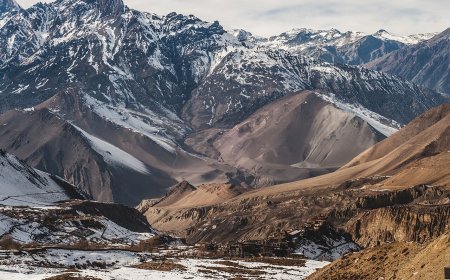
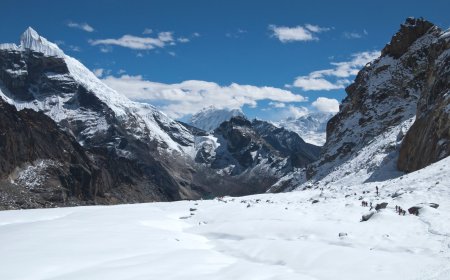
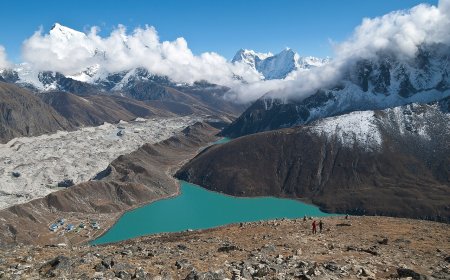
Trekking routes — Everest, Annapurna, Langtang, Manaslu: Ncell has invested heavily along the main teahouse trails. You'll often get a usable signal at Namche, Dingboche, even Gorak Shep. NTC covers many of the same villages but drops out more often on ridge lines.
Remote districts — Dolpo, Humla, Kanchenjunga fringe: NTC's older tower network sometimes reaches places Ncell hasn't touched. If your itinerary goes far off the beaten path, carry both or ask your guide which SIM worked last season.
No operator publishes a live coverage map you can trust for tomorrow's hike. The pragmatic move: buy the SIM that matches your first week, then top up the other if you hit a dead zone.
Registration documents: what the operators and the NTA currently publish — and what was reported earlier
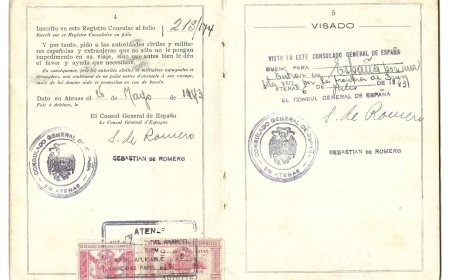
Every legal SIM in Nepal ties to an identity. For foreigners the requirement has long been a passport photo page and a valid visa page, handed over at the point of sale. The Nepal Telecommunications Authority (NTA) frames this as a KYC rule for all subscribers. Operator pages describe the same two-document handover at authorised counters.
What we cannot confirm today is whether any 2026 circular changed the accepted visa types (tourist vs business vs study) or added a photo-on-file step. The safest path: carry printed passport and visa pages, plus a passport-size photo, and ask the counter staff to show you the form they're filling. If they only swipe your passport, that's the current process.
A rule written for Nepali citizens — national ID card, citizenship certificate — does not transfer to visitors. Don't let a shopkeeper tell you otherwise.
How to confirm the current official SIM sales channels before you fly
Official channels are the only ones that register the SIM in your name on the spot. Historically these include:
- Tribhuvan International Airport — NTC and Ncell branded counters in the arrivals hall (after customs, before the taxi scrum)
- NTC and Ncell flagship stores in Thamel, Lazimpat, Pokhara Lakeside
- Authorised distributors displaying a printed dealer certificate
Counters move, hours change, and a new terminal can shift everything. Before you book, open ntc.net.np and ncell.axiata.com, search "tourist SIM" or "prepaid registration", and note the address and phone number listed for tourist sales. Call the number. If it rings and a human answers, you have a live channel. If the page shows a 2023 notice, treat it as stale and look for a newer post.
eSIM in Nepal: who it does and does not currently work for
The only operator-side mention we can date is an Ncell blog post from 2022 describing eSIM for existing postpaid subscribers who visit a store with their handset. That post does not say a tourist walking in off the street can get an eSIM, nor does it describe an online QR-code flow.
As of today, no NTC or Ncell page confirms that a short-stay visitor can activate an eSIM on arrival, by app, or by web portal. If your phone supports eSIM and you're already an Ncell postpaid customer, the 2022 path may still exist — call their care line and ask. For everyone else, assume a physical SIM is the only guaranteed route.
Two things to check on your side regardless: your handset actually supports eSIM (not all budget models do) and it isn't carrier-locked to a network back home. A locked phone won't accept a Nepali profile even if the operator offers one.
What a tourist SIM usually costs and how to confirm the current figure
The structure is consistent: a small upfront charge for the SIM itself (often waived if you buy a data pack at the same time), then you recharge for the data allowance you want. Packs come in daily, weekly, and monthly flavours — 1 GB/day for a week, 10 GB for 30 days, that sort of thing. Voice minutes are usually bundled or sold separately.
We are not printing a rupee figure here because neither operator keeps a single tourist price list on a static page; they change with promotions, festivals, and tax adjustments. The only current numbers live on ntc.net.np → Prepaid → Tourist Pack and ncell.axiata.com → Prepaid → Tourist Offers. Open both, screenshot the pack table, and compare. That's the price today. Tomorrow it may differ.
Grey-market SIMs: a consumer warning
You'll see unbranded kiosks, touts at bus parks, even some hotel desks selling "activated" SIMs cheaper or faster. The risks are real: the SIM may be registered to someone else's passport, meaning you're using their identity; it can be deactivated without notice when the next audit runs; the data pack you paid for might be a recycled code that already expired. The fix is simple — buy through the official channels above. If a seller can't show you a dealer certificate or asks for your passport but doesn't scan it into the operator's system, walk away.
FAQ
Can I use my home SIM on roaming instead?
You can, but this page is about getting a local SIM — which is almost always cheaper for data. Check your carrier's roaming rates before you rely on them.
Do I need a Nepali phone number for apps like Pathao or Foodmandu?
Yes, most local ride-hailing and delivery apps verify via SMS to a Nepali number. A tourist SIM gives you that.
Will one SIM work for the whole country?
No single network covers every valley and ridge. If you're trekking remote sections, consider carrying both NTC and Ncell.
Can I top up online with a foreign card?
Both operators support e-recharge via their apps and websites; foreign cards sometimes work, sometimes not. Keeping a small cash reserve for physical recharge cards is a reliable backup.
What if my SIM stops working mid-trip?
Visit any official NTC or Ncell store with your passport. They can re-verify and re-issue on the spot if the registration is still valid.
What's Your Reaction?