




Mustang: The Mystical Land of the Himalayas
Let’s discover Mustang, a district famed for its arid landscapes, Tibetan culture, ancient monasteries, and the iconic Upper Mustang trekking route.

Introduction

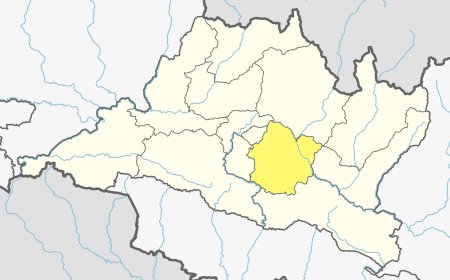
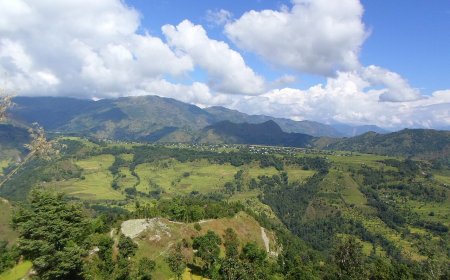
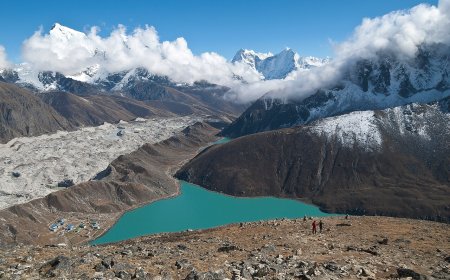
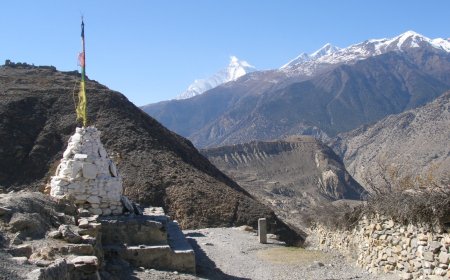
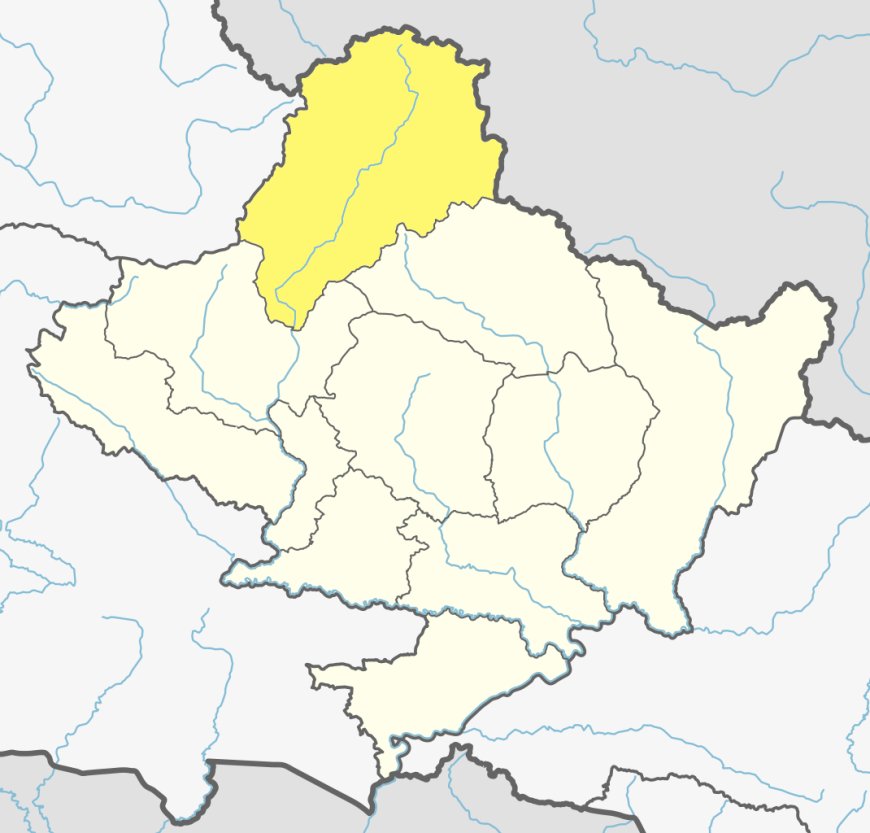
Mustang is a beautiful district in the north-central part of Nepal, renowned for its starkly beautiful landscapes, ancient cultural heritage, and mystical allure. Located in the Gandaki Province, this district is often referred to as the "Last Forbidden Kingdom" due to its unique history and preserved Tibetan culture. This district serves as a gateway to the trans-Himalayan region and offers a harmonious blend of barren deserts, snow-capped peaks, and centuries-old monasteries. This district’s capital, Jomsom, is an ideal base for adventurers, spiritual seekers, and culture enthusiasts. With its surreal beauty, rich traditions, and profound spiritual significance, this district is truly a land of wonders waiting to be explored.
Geographical Overview
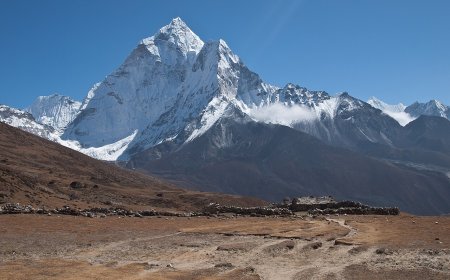
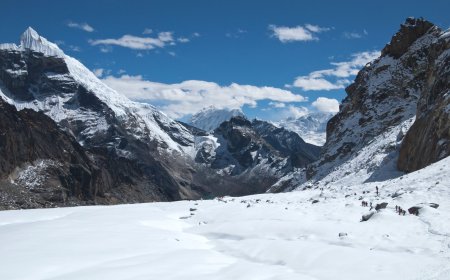
Covering an area of 3,573 square kilometers, this district has an extraordinary topography ranging from dry valleys to very high Himalayan peaks. The district’s elevation varies dramatically, from 1,372 meters at its lowest point to 8,167 meters at its highest, encompassing parts of the Annapurna and Dhaulagiri massifs.
The climate in this district is semi-dry, characterized by cold winters and mild summers, making it suitable for diverse flora and fauna. The Kali Gandaki River, which carves the world's deepest gorge, flows through this district, providing vital resources for the region.
Table: Geographical Features
|
Feature |
Data |
|
Total Area (sq. km) |
3,573 |
|
Altitude Range (m) |
1,372–8,167 |
|
Major River |
Kali Gandaki |
|
Climatic Conditions |
Semi-arid |
Demographics
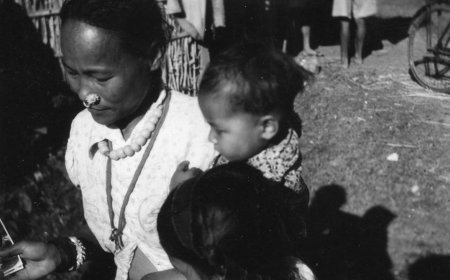
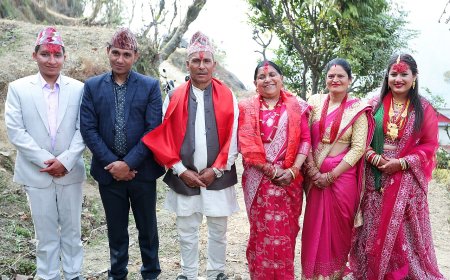
This district is home to approximately 13,000 people, mostly of Tibetan origin. The Thakali, Gurung, and Tibetan ethnic groups dominate the population, each contributing to the district's rich cultural tapestry. Nepali and Tibetan are the most widely spoken languages, with Thakali dialects also prevalent. Festivals, rituals, and traditional crafts reflect the deep-rooted heritage and spiritual essence of the district.
Table: Ethnic Composition
|
Ethnic Group |
Percentage (%) |
|
Thakali |
35% |
|
Tibetan |
30% |
|
Gurung |
20% |
|
Other Groups |
15% |
Cultural and Historical Significance
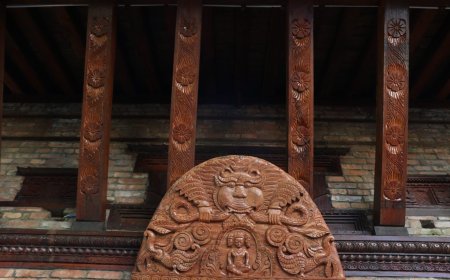
This district is steeped in cultural and historical significance. The district’s Tibetan-influenced heritage is vividly displayed through its festivals, architecture, and lifestyle. Tiji, the most famous festival, symbolizes the victory of good over evil and attracts visitors from around the world.
This district is also known for its ancient monasteries, such as the Lo Gekar Monastery, believed to be one of the oldest Tibetan monasteries in the world. The walled city of Lo Manthang, a UNESCO World Heritage Site, stands as a testament to the district’s medieval history.
Table: Key Festivals
|
Festival |
Month |
Significance |
|
Tiji |
May |
Tibetan festival celebrating peace and harmony |
|
Losar |
February |
Tibetan New Year |
|
Dashain |
October |
Hindu festival of victory |
|
Yartung |
August |
Horse-riding festival |
Major Attractions and Activities
This district’s unparalleled landscapes and cultural treasures make it an exceptional destination. The Upper Mustang region is a restricted area that offers an exclusive glimpse into its preserved Tibetan culture and striking desert scenery. The Kali Gandaki Gorge and Muktinath Temple are other iconic attractions drawing thousands of tourists each year.
The district is also a trekker’s paradise, featuring trails through rugged terrains, ancient caves, and remote villages. Adventurous activities such as mountain biking, horse riding, and jeep tours add to this district’s appeal.
Table: Major Attractions
|
Attraction |
Location |
Highlight |
|
Upper Mustang |
Northern Area |
Tibetan culture and desert landscapes |
|
Muktinath Temple |
Muktinath Valley |
Sacred Hindu and Buddhist pilgrimage site |
|
Lo Manthang |
Northern Area |
Walled city with medieval architecture |
|
Kali Gandaki Gorge |
Central Area |
World’s deepest gorge |
With a focus on sustainable tourism, this district promotes eco-friendly practices to preserve its pristine environment and cultural heritage for generations to come.
Economic Overview
The economy of this district is primarily influenced by tourism, agriculture, and animal husbandry. Barley, buckwheat, and apples are the major agricultural products, while yak and sheep farming are integral to the livelihoods of the local population.
The tourism sector thrives on trekking routes, cultural tours, and religious pilgrimages. Handicrafts such as Tibetan rugs and Thangka paintings further contribute to the district’s economy.
Table: Economic Highlights
|
Sector |
Contribution |
|
Agriculture |
Barley, buckwheat, apples |
|
Tourism |
Upper Mustang, Muktinath, trekking routes |
|
Traditional Crafts |
Tibetan rugs, Thangka paintings |
Conclusion
Mustang is a captivating destination that seamlessly combines natural splendor, cultural depth, and economic potential. From the spiritual aura of Muktinath Temple to the stark beauty of Upper Mustang, the district offers a myriad of experiences for visitors. Its dramatic landscapes, vibrant traditions, and warm hospitality make this district an unforgettable journey into Nepal’s trans-Himalayan wonderland. Whether you are an adventurer, a spiritual seeker, or a culture enthusiast, this district promises an unparalleled experience that lingers in your heart forever.
Frequently Asked Questions (FAQs)
1. Where is Mustang located?
Mustang is situated in the Gandaki Province in north-central Nepal.
2. What is Mustang famous for?
This district is renowned for the Upper Mustang region, ancient monasteries, and the Muktinath Temple.
3. Which river flows through Mustang?
The Kali Gandaki River flows through this district, carving the world’s deepest gorge.
4. What is the main ethnic group in Mustang?
The Thakali community is the predominant ethnic group in this district.
5. What are the major crops grown in Mustang?
Barley, buckwheat, and apples are the primary crops grown in this district.
6. What is the best time to visit Mustang?
Spring (March to May) and autumn (September to November) are the best seasons to visit Mustang.
7. What cultural festival is celebrated in Mustang?
The Tiji festival is a major cultural event symbolizing peace and harmony.
8. What is the significance of Muktinath Temple?
Muktinath Temple is a sacred site for Hindus and Buddhists, believed to grant salvation.
9. What makes Upper Mustang special?
Upper Mustang offers exclusive access to preserved Tibetan culture and stunning desert landscapes.
What's Your Reaction?