






Nagarkot Sunrise from Kathmandu: Transport, Timing and Viewpoints
A practical guide to catching sunrise at Nagarkot from Kathmandu: how sunrise time shifts through the year, local bus and taxi options via Bhaktapur, monsoon road checks, and which ridge viewpoints are worth the early alarm.

Published 20 October 2026
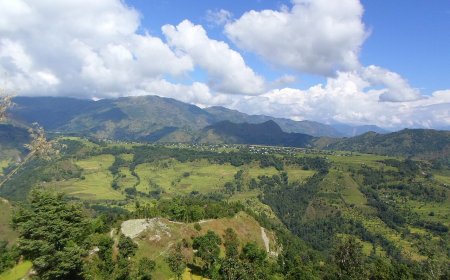
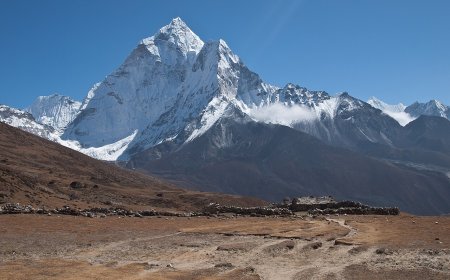
Nagarkot sits on the eastern rim of the Kathmandu Valley, high enough that the sun clears the ridge while the city is still in shadow, and on a good morning the skyline runs from Langtang across to Ganesh Himal. Chasing the Nagarkot sunrise is mostly a logistics problem: which bus, what time to leave, and which patch of ground to stand on. Sort those three and the morning takes care of itself.
When the sun actually comes up
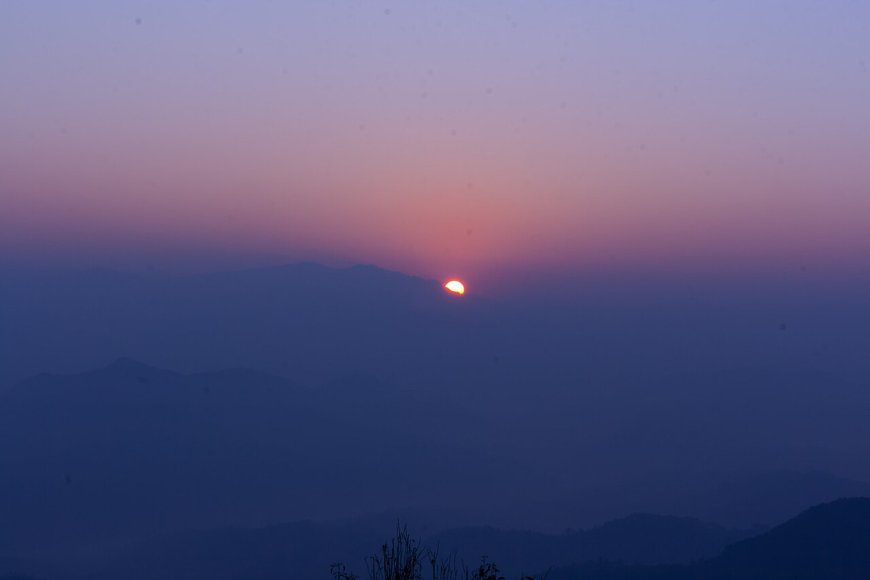
The Nagarkot sunrise moves across a band of nearly two hours over the year, which is why 'be there by five' is bad advice in December and pointless in June. Roughly, the sun itself clears the horizon just after 5:00 in early June and close to 6:55 in the first week of January. Late October, where we are now, lands around six. Nagarkot is a little east of Kathmandu and a lot higher, so it sees the sun a few minutes before the city does.
Work backwards from that. Aim to be in position thirty minutes early: the walk from a guesthouse to a viewpoint eats ten, the tea you will want eats another five, and cloud sitting on the ridge can either hold first light back by twenty minutes or burn off exactly on time. For the specific date, an almanac or a sunrise app gives you the astronomical time. For whether you will actually see anything, the Department of Hydrology and Meteorology (DHM) publishes daily forecasts and is the body to check, not a hotel noticeboard.
Getting there from Kathmandu
Buses for Nagarkot leave from the Ratna Park bus park in central Kathmandu, most of them running through Bhaktapur before the climb. Figure on about two hours. These are ordinary local passenger buses rather than tourist coaches, and while a few operators sell seats in advance, don't build your plan around a scheduled service that may not run on the day. Early departures are the ones you want, and they can be loose about leaving on time.
A reserved taxi or a private car takes roughly ninety minutes and costs many times the bus ticket, so treat it as a different category of spending rather than a small upgrade. There is no meter on the run, so agree the price before you get in. Decide up front whether you are booking one way or asking the driver to wait through sunrise and bring you back, because the second is a longer and more expensive hire.
The Bhaktapur option
Breaking the trip at Bhaktapur is worth it if you want the old city without giving it a separate day. Buses and shared jeeps up to Nagarkot leave from the bus park on the northern edge of town, near the Siddha Pokhari pond. The stands get reshuffled, so ask at the park which bay is running rather than trusting a route description from an older post, including this one. The climb takes about forty-five minutes when the road is behaving.
Fares are usually quoted by the conductor and paid in cash, so keep small notes handy. Don't count on a printed fare board you can photograph.
Monsoon, and the one check that matters
Between roughly June and September the hazard on this road is not mud, it is the hillside itself. Landslides and undercut edges close the Bhaktapur to Nagarkot stretch for hours at a time, and a bus may stop well short of the ridge. Before an out-of-season attempt, ask your guesthouse or the bus park whether the road is open, and treat a DHM heavy-rain warning as a reason to move the trip rather than an inconvenience to push through.
Where to stand for the Nagarkot sunrise
Hotel rooftops near the entrance gate frame the Langtang range and ask nothing of you except a thermos. The open ground below the army camp gives the wider sweep, and on the clearest mornings, usually after autumn rain or a windy winter night, Everest shows as a small white point far off to the east. Don't build the morning around the view tower or any other single structure on the ridge. Platforms and towers change status between seasons, while a rooftop or a stretch of open ground gives you the same horizon with none of the uncertainty.
Sleeping on the ridge, and what comes after
Most people stay the night rather than leave Kathmandu at three in the morning. Guesthouses up here are set up for it: reception keeps current bus times, a wake-up call comes with tea, and someone will tell you honestly whether the cloud outside is worth waiting out. Book ahead for October and November, and around Nepali New Year in mid-April. Outside those windows you can usually turn up and find a room.
If you are continuing to Dhulikhel or Namobuddha, confirm the next morning's shared jeep at the same counter before you go to bed, since departures follow passenger numbers more than timetables. Keep a few small notes on you for the checkpost on the Bhaktapur road, where a small local charge has been collected from vehicles at times, and pack a warm layer. The ridge is cold and windy before sunrise even in October.
What's Your Reaction?