



Namobuddha and Panauti Day Trip from Kathmandu via Dhulikhel: Route, Timing and What to Verify
A practical, up‑to‑date guide for a Namobuddha and Panauti day trip from Kathmandu via Dhulikhel, covering route options, timing bands, seasonality advice, what to see, and exactly what to verify before you go.

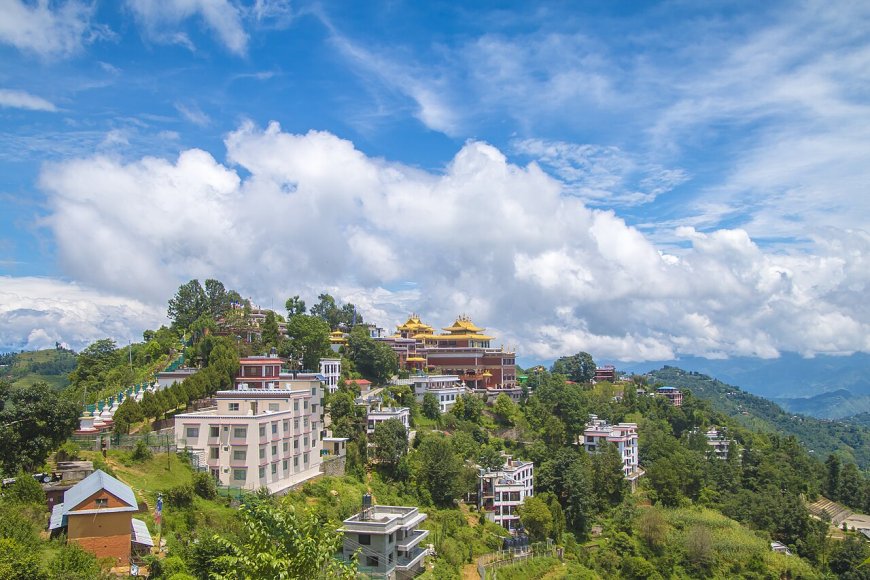
Namobuddha and Panauti are two well‑known stops east of Kathmandu that lie in Kavrepalanchok district. The geography is stable: Namobuddha sits on a hilltop above the village, while Panauti is a historic Newar town where the Roshi and Punyamata rivers meet. The usual road link between them runs through Banepa; Dhulikhel appears on the route only if you start or finish there or if you choose to loop back via Dhulikhel on the return leg.
Before diving into details, note that fares, opening hours, road conditions and festival dates shift often. This guide gives you the fixed distances and typical travel bands you can rely on, and points you to the authorities that know the current numbers so you can verify them before you commit a whole day.
Where these two places actually are
Namobuddha is a hilltop religious site associated with the jataka story of the Buddha offering himself to a hungry tigress and her cubs. The stupa and the Thrangu Tashi Yangtse monastery crown the ridge above the village. You reach it from Banepa or Dhulikhel, and the final stretch climbs steadily.
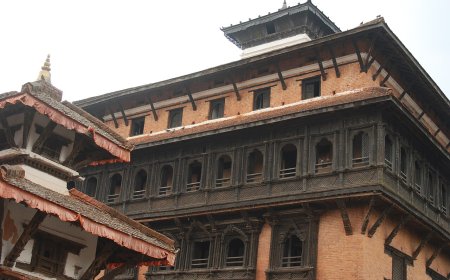
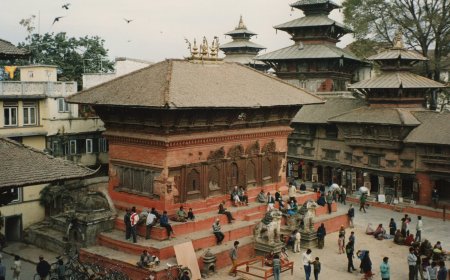
Panauti lies southeast of Banepa at the confluence of the Roshi and Punyamata rivers. Its centrepiece is the Indreshwar Mahadev temple, surrounded by a dense grid of traditional Newar houses, courtyards, ponds and smaller shrines. Panauti is a living town, not a museum enclosure, so visitors should dress modestly and behave as guests.
The three usual ways to do the route
Private vehicle or taxi
Most visitors hire a car and driver for the day. Typical distance bands (with traffic‑dependent time ranges) are:
- Kathmandu → Dhulikhel: ~30 km, 1.5–2 hours.
- Dhulikhel → Namobuddha: ~13 km, 45 min–1 hour (steep climb).
- Namobuddha → Panauti: ~20 km, 1–1.5 hours via Banepa.
- Panauti → Kathmandu: ~35 km, 2–2.5 hours (via Banepa).
Agree on the number of stops and the finish point before you set off; treat any online fare as a starting point for negotiation.
Public bus
Local buses ply the Kathmandu–Banepa–Dhulikhel corridor, and separate services connect Dhulikhel or Banepa with Panauti and with the Namobuddha turn‑off. Departure points, frequency and the last return service vary daily, so confirm them at the relevant bus park on the morning of travel.
Walking the Dhulikhel to Namobuddha stretch
The trail between Dhulikhel and Namobuddha is about 7 km long and takes 2–3 hours on foot, winding through fields and forest edges. Many hikers go one way and take a vehicle for the other; remember that the ascent from Dhulikhel to Namobuddha is the steeper leg. Carry water, start early, and check for recent landslip reports during the monsoon.
What to see at Namobuddha
The stupa, the monastery complex, and on clear days a panorama that sweeps toward the Himalaya. Mornings are quieter and the light is softer for photography. Inside monastery buildings photography is usually restricted—ask before you raise a camera. If you wish to join a prayer session, timing and permission are handled by the monastery administration.
What to see at Panauti
Indreshwar Mahadev temple
This large multi‑tiered Shiva temple in the Newar style sits at the river confluence. Visitors should remove shoes, dress modestly (shoulders and knees covered), and note that non‑Hindu guests may be restricted from the inner sanctum. Conservation work can alter access, so check for any scaffolding or fees before you go.
Beyond the temple, wander the old town’s lanes. Traditional courtyards, hidden ponds and modest shrines see few visitors and offer a glimpse of everyday Newar life. Panauti also hosts the Makar Mela, a religious gathering that traditionally follows a long cycle; the last large event was several years ago. For current dates, consult Panauti Municipality or the temple trust.
Sequencing the day
Two logical orders work:
- Namobuddha first, then Panauti on the way back – ideal if you want the hill while it’s cool and don’t mind finishing in town.
- Panauti first, then Namobuddha second – suits those who prefer to end on the ridge and watch the light change.
Choose based on whether you’d rather do the walking early or late. Trying to add Bhaktapur or Nagarkot to the same day usually stretches the plan too thin.
What actually determines your timing
The main variables are:
- Traffic through Banepa, the pinch point on the corridor.
- Road works on the Arniko Highway and the B.P. Koirala Highway (verify with the Department of Roads).
- Festival traffic, which can easily double journey times.
- Monsoon conditions, when landslips are possible on the Dhulikhel–Namobuddha road and the walk becomes slippery and leech‑prone.
- How long you spend at each site—visitors often linger longer than planned.
If you have a fixed evening commitment, build in generous slack or consider visiting just one site.
Seasonality considerations
The best windows for a comfortable day trip are roughly October–November and March–April, when skies are clear, temperatures are mild and the views from Namobuddha are at their finest. During the monsoon (June–September) the road can be slick, the walking trail muddy and leech‑infested, and mountain views are often obscured by cloud. Festival weeks—especially around the Makar Mela in Panauti—draw large crowds and can bring traffic jams that make a combined visit impractical.
What to check before you go
Verify the following with the indicated bodies (none of these items has been independently checked for this guide):
- Monastery visiting hours and any donation or entry expectation – Namobuddha monastery administration.
- Access, restoration and any fee at Panauti’s monuments – Indreshwar Mahadev temple trust or guthi, Panauti Municipality, and the Department of Archaeology for monument notices.
- Makar Mela dates at Panauti – Panauti Municipality or the temple trust.
- Bus departure points, times and fares between Kathmandu, Banepa, Dhulikhel and Panauti – relevant bus park on the day of travel.
- Road condition on the Dhulikhel–Namobuddha stretch and on the Arniko and B.P. Koirala Highways – Department of Roads or local sources in the week you travel.
Food and facilities
Panauti offers a modest selection of local eateries and tea shops; options are limited, so carrying snacks is wise. Namobuddha has a monastery‑run café that serves simple meals and tea, and a guest house if you wish to extend your stay. Both sites have basic toilet facilities, but they can be basic—plan accordingly.
The short version: the geography of this trip is fixed, the logistics are not. Namobuddha and Panauti are worth the day, but the day is only as good as the checks you do the week before.
What's Your Reaction?