

Dhanusha District Travel Guide: Janakpur, Janaki Mandir and Dhanushadham
A practical guide to Dhanusha District covering Janakpur, Janaki Mandir, Dhanushadham, Maithili culture, transport routes, and seasonal advice — with live-source checks for every perishable detail.

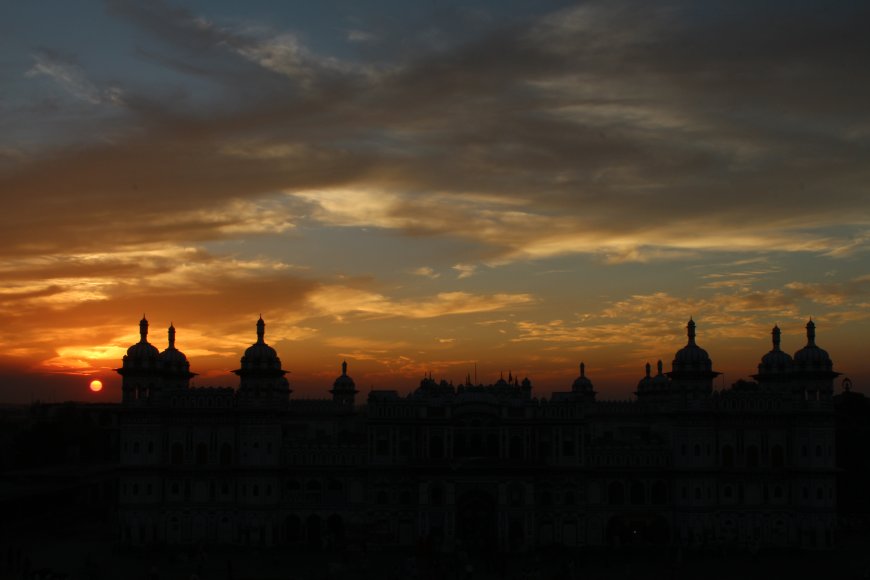
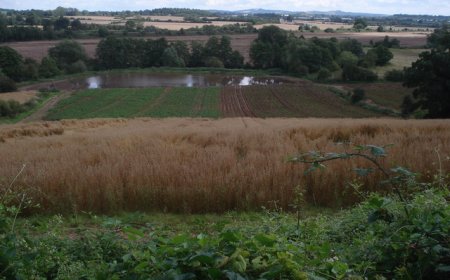
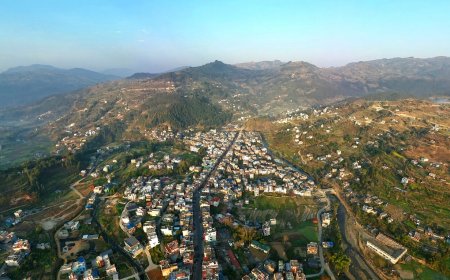
Dhanusha sits in the southeastern corner of Madhesh Province, bordering India along its southern edge. The district is flat, fertile Terai country — rice paddies, mango groves, and village clusters strung along irrigation canals. Janakpur, the district headquarters, is the gravitational centre: a pilgrimage magnet, a cultural archive, and the place where most journeys through Dhanusha begin or end.
Janakpur and the Janaki Mandir
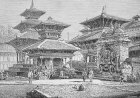
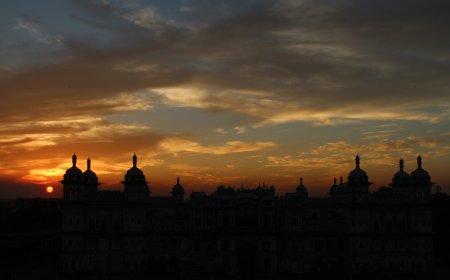
Janakpur — often written Janakpurdham on signage — draws visitors for one structure above all: the Janaki Mandir. Built in the late 19th century in a blend of Mughal and Rajput styles, its white marble domes and lattice windows rise above the market streets like a palace from a different era. The temple marks the spot where, according to the Ramayana, King Janak found the infant Sita in a furrow while ploughing a ritual field. For pilgrims, it is the heart of Sita's birthplace. For everyone else, it is an architectural landmark worth an hour of quiet wandering through its courtyards and upper galleries.
The surrounding neighbourhood hums with vendors selling marigold garlands, vermilion powder, and thali meals on leaf plates. Narrow lanes lead to smaller shrines, dharamshalas, and the holy ponds — Ganga Sagar, Dhanush Sagar — where evening aarti reflections ripple across the water. Operations, timings, and festival-day schedules change; check with the temple office or the Janakpurdham municipality website before you go.
Dhanushadham: The Bow and the Legend
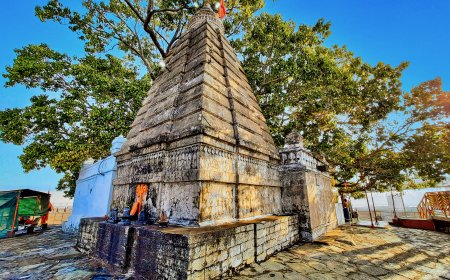
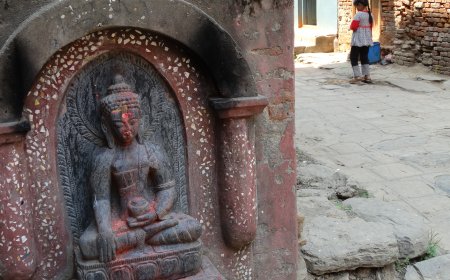
About 18 kilometres northeast of Janakpur, Dhanushadham centres on a different Ramayana episode: the spot where Lord Ram is said to have broken Shiva's bow to win Sita's hand. A small temple complex shelters a stone fragment venerated as the broken bow. The site is quieter than Janaki Mandir, shaded by banyan and peepal trees, with a pond where pilgrims bathe. It makes a natural half-day loop from Janakpur, especially combined with a stop at the ancient Parashuram Kunda nearby. As with Janaki Mandir, confirm opening arrangements locally — festival periods swell the crowds dramatically.
Maithili Culture: Language, Art, and the Festival Calendar
Dhanusha is the cultural heartland of the Maithil people. Maithili — written in the historic Tirhuta script and now also in Devanagari — echoes in markets, homes, and radio stations. The region's visual signature is Mithila (Madhubani) painting: intricate geometric patterns and mythic scenes rendered in natural pigments on mud walls, paper, and increasingly on canvas for sale. You will see it on temple facades, guesthouse walls, and the fronts of village homes.
Festivals structure the year. Vivah Panchami re-enacts the divine wedding of Ram and Sita with processions, music, and temporary pavilions across Janakpur. Ram Navami marks Ram's birth. Chhath, the sun-worship festival, turns every pond and riverbank into a chorus of hymns at dawn and dusk. The official dates for each year are fixed by the Nepal Calendar Determination Committee (or its successor) under the Ministry of Culture, Tourism and Civil Aviation. Do not rely on past-year dates; consult the committee's annual gazette notification or the Janaki Mandir administration for the current calendar.
Getting There: Routes and Reality Checks
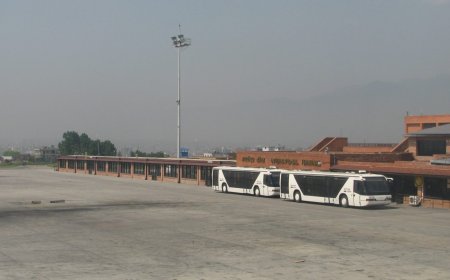
By air: Janakpur Airport (JKR) sits a few kilometres from the city centre. Flight schedules and operating airlines change without notice. There is no substitute for checking the Civil Aviation Authority of Nepal (CAAN) website or calling the airport office directly on the day you plan to book.
By road from Kathmandu: The East-West Highway (still widely called the Mahendra Highway by habit) runs the length of the Terai. The standard route follows the highway east to Bardibas, then turns north on the BP Highway (Sindhuli corridor) — a dramatic mountain road that cuts travel time significantly but is prone to monsoon landslides and winter fog closures. The older highway-only route via Dhulikhel and Sindhuli Bazaar is longer but often more stable in bad weather. The Department of Roads and Nepal Traffic Police publish daily status bulletins; check them before departure.
From the Indian border: The Jaynagar (India)–Janakpur railway line reopened for passenger service in recent years. Cross-border buses and shared jeeps run from the Bhangaha and Bhittamod border points. Immigration formalities apply; carry valid ID and confirm crossing hours, which can shift seasonally.
Local transport: Cycle-rickshaws, e-rickshaws, and shared tempos connect Janakpur's main nodes. For Dhanushadham, hire a tempo or a private jeep from the Janakpur bus park — agree the return fare before you leave.
Seasons and When to Travel
Dhanusha follows the classic Terai rhythm. October through March brings clear skies, comfortable daytime temperatures (20–28°C), and cool nights — the most reliable window for travel and temple visits. April to June turns fierce: 40°C+ afternoons, dry winds, and occasional dust storms. If you must travel then, plan indoor or shaded activities for midday and hydrate constantly.
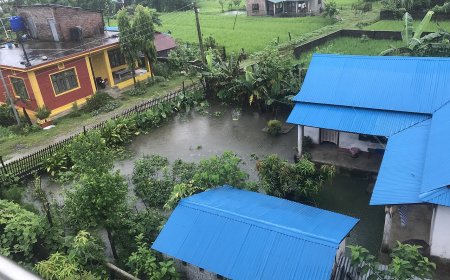
Monsoon arrives late June and stays through September. Rain falls in heavy spells, roads flood, and the BP Highway often closes for hours or days. The upside: the countryside turns electric green, ponds brim, and festival energy peaks around Janmashtami and Teej. If you visit in monsoon, build buffer days into your itinerary and monitor the Department of Roads alerts.
Pre-Trip Checklist
- Verify Janaki Mandir and Dhanushadham visiting arrangements with the respective temple offices or the Janakpurdham municipality.
- Confirm festival dates for your travel window via the Nepal Calendar Determination Committee's official publication.
- Check Janakpur Airport flight status with CAAN or the airport office; do not rely on third-party booking sites alone.
- Review East-West Highway and BP Highway conditions on the Department of Roads or Nepal Traffic Police channels the morning you depart.
- Carry cash (Nepali rupees) for small purchases, offerings, and transport; card acceptance is patchy outside larger hotels.
- Dress modestly for temple visits — shoulders and knees covered — and remove footwear where indicated.
Dhanusha rewards patience. Its stories are layered in stone, song, and the rhythm of daily life along the canals. Come with flexibility, check the current details before every leg, and let the region reveal itself at its own pace.
What's Your Reaction?