



Pyuthan District Guide (2026): Geography, Travel Bases, Swargadwari & Jhimruk Valley – Pre‑Trip Checklist
A practical 2026 guide to Pyuthan district in Lumbini Province, covering geography, census‑verified facts, the Swargadwari pilgrimage site, Jhimruk Valley walks, where to stay (Khalanga, Bijuwar, Khungri), a 2‑3 day itinerary, and a concise pre‑trip verification checklist with contacts for buses, last‑mile transport, ashram hours, festival dates, road conditions, ATMs, health services and permits.

Verified on 8 October 2026 (desk research). Operational details such as bus timetables, last‑mile transport, ashram opening hours and festival dates should be confirmed locally before travel.
Where Pyuthan is and how the district is organised
Pyuthan district lies in the mid‑hills of Lumbini Province, about 400 km by road west of Kathmandu (roughly 10–12 hours by bus via Butwal–Bhalubang). As the crow flies the distance is ≈250 km. The district covers 1,309 km² and, according to the 2021 National Population and Housing Census, has a population of 228,102 living in ≈48,000 households. Altitude ranges from around 300 m in the southern valleys to over 3,500 m on the northern ridges.
Administratively Pyuthan comprises 8 local units – one municipality (Pyuthan Municipality) and seven rural municipalities (Airawati, Bijuwar, Dharmawati, Jhimruk, Khungri, Mallarani, Sarumarani) totalling 72 wards. Neighbouring districts are Dang (south), Rolpa (west), Salyan (north‑west), Arghakhanchi (north), Gulmi (east) and Palpa (south‑east). Ward boundaries and unit names can change; treat any online list as provisional until confirmed with the District Administration Office (DAO) Pyuthan or the relevant municipal office.
Swargadwari – the district's main religious draw
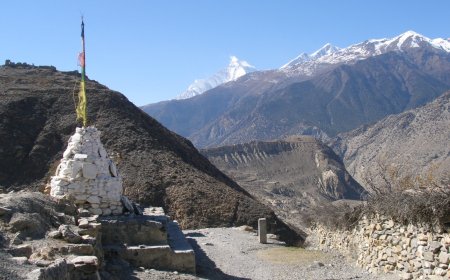
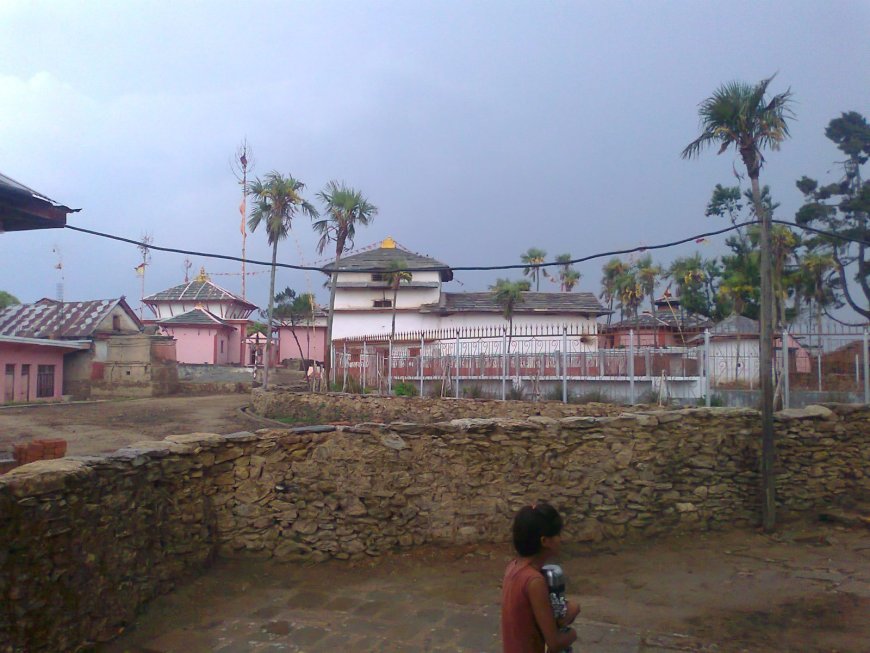
Swargadwari sits on a ridge above the Jhimruk valley at roughly 2,100 m. The ashram complex attracts pilgrims year‑round, with larger gatherings during the Kartik (Oct/Nov) and Baisakh (Apr/May) melas. Entry requirements, daily opening hours (generally 6 am–6 pm) and on‑site accommodation (basic rooms and dormitories) are managed by the ashram office and can vary during festivals. Confirm current rules and book a room by calling the ashram directly (number available at Pyuthan Municipality). For a deeper dive on history, rituals and extended practicalities see our Swargadwari Temple guide.
The Jhimruk valley
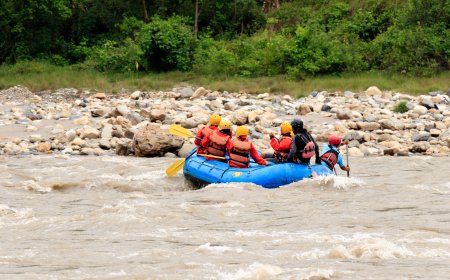
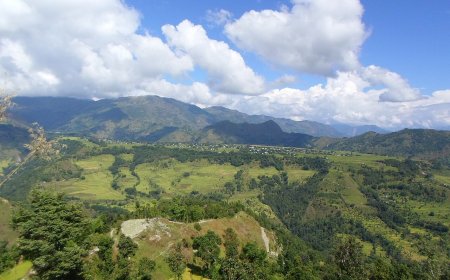
The Jhimruk River cuts a deep, terraced valley through the district. The corridor offers day‑hikes between villages such as Bijuwar, Khungri and Jhimruk Rural Municipality headquarters, with forest patches, suspension bridges and occasional views of the Jhimruk Khola hydropower plant. As of 2026 no licensed commercial rafting operator on the Jhimruk has been verified; the river is best treated as a landscape for walking and scenic drives. Hydropower licence status (operator, capacity, any rehabilitation notices) is recorded in the Department of Electricity Development register – check the latest entry before planning any river‑side activity.
Choosing a base: Khalanga and alternatives
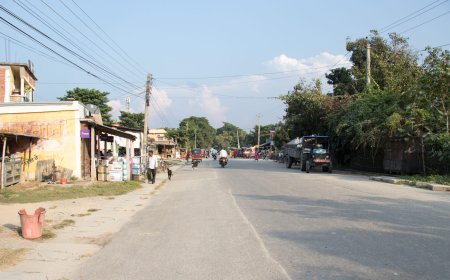
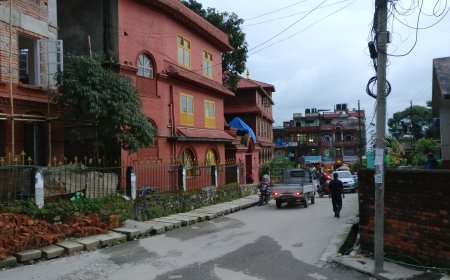
Khalanga (Pyuthan Municipality headquarters) holds the majority of the district’s services – a handful of lodges (e.g. Hotel Pyuthan, Hotel Siddhartha, New Road Guest House), restaurants serving dal‑bhat and Newari snacks, a few ATMs (Nabil, Global IME, Nepal Investment), and the district hospital with an emergency ward. Services are modest compared with larger towns, so verify ATM cash availability and hospital staffing by calling a lodge or the hospital administration a day before arrival.
Smaller market towns along the feeder road north from Bhalubang (on the East‑West Highway) – notably Bijuwar and Khungri – have fewer lodges but sit closer to the Jhimruk valley trails and the Swargadwari approach road. Match your base to the sites you plan to visit and confirm last‑mile transport (jeep, motorcycle taxi or foot) locally; schedules shift with road conditions and season.
Suggested 2‑3 day itinerary
- Day 1 – Arrival & Khalanga: Reach Khalanga by early afternoon. Check into a lodge, visit the district hospital if needed, withdraw cash, and explore the local bazaar. Evening walk to the nearby Jhimruk riverbank for sunset.
- Day 2 – Swargadwari: Hire a jeep (≈₨1,200–1,500 return) or motorcycle taxi (≈₨300 per seat) from Khalanga to the Swargadwari turn‑off (≈1 hr). The final 30 min walk climbs a well‑marked stone path to the ashram. Spend 3–4 hours exploring the temple complex, attending any ongoing puja, and visiting the ashram’s small museum. Return to Khalanga before dark.
- Day 3 – Jhimruk valley walk (optional): From Bijuwar (≈45 min by jeep from Khalanga) follow the riverside trail north to Khungri (≈3–4 hrs round‑trip). Pass terraced fields, a suspension bridge, and the Jhimruk Khola powerhouse viewpoint. Return to Khalanga or continue onward to Rolpa if your itinerary allows.
Pre‑trip verification checklist
Because route details, fares, festival dates and facility hours change frequently, treat the following as a personal checklist. Contact each source directly and note the date of the conversation.
- Kathmandu–Pyuthan bus: Departure points (Gongabu, Kalanki), times, fares and operator – call the Transport Management Office, Kathmandu, or the bus counter operator. Ask for the exact date of the information.
- Last‑mile from Bhalubang to Khalanga / Swargadwari: Jeep or motorcycle‑taxi availability, typical wait times and per‑seat or charter rates – ask at the Pyuthan Municipality transport desk or a lodge in Khalanga.
- Swargadwari ashram: Entry requirements, opening hours, on‑site accommodation booking and any festival‑specific rules – call the ashram office directly.
- 2026 festival/mela dates at Swargadwari: Request the official calendar from the ashram or Pyuthan Municipality; do not rely on previous years’ dates.
- Jhimruk hydropower status: Current operator, generation capacity, any rehabilitation or shutdown notices – check with the Department of Electricity Development (DoED) register.
- Road conditions and monsoon closures: Ask the District Road Office, Pyuthan (or the Division Road Office in Butwal which oversees the district) or a recent traveller (post dated 2026) about landslide‑prone sections on the feeder road and the Swargadwari access road.
- ATMs and medical facilities in Khalanga: Confirm which banks have working ATMs and whether the district hospital’s emergency department is fully staffed – call a lodge or the hospital administration.
- Local permits: If you plan to trek beyond the main valleys, check with Pyuthan Municipality or the DAO whether any permit is required.
Key facts at a glance
| Attribute | Details |
|---|---|
| Area | 1,309 km² |
| Population (2021) | 228,102 |
| Households (2021) | ≈48,000 |
| Local units | 1 municipality + 7 rural municipalities (72 wards) |
| Altitude range | ≈300 m – 3,500 m |
| Road distance from Kathmandu | ≈400 km (10–12 hrs by bus) |
| Main hub | Khalanga (Pyuthan Municipality) |
| Major festival periods | Kartik (Oct/Nov) & Baisakh (Apr/May) at Swargadwari |
All figures are taken from the 2021 National Population and Housing Census and the MoFAGA local‑unit list accessed 8 October 2026. Operational details are subject to change; verify locally before you travel.
What's Your Reaction?