



Paragliding in Pokhara: What Drives the Price, When to Fly, and How to Vet an Operator
A decision-and-questions guide to paragliding in Pokhara: how a quote is built, what to ask before paying, when the flying windows fall in 2026-27, and how to check an operator's documents on the day.

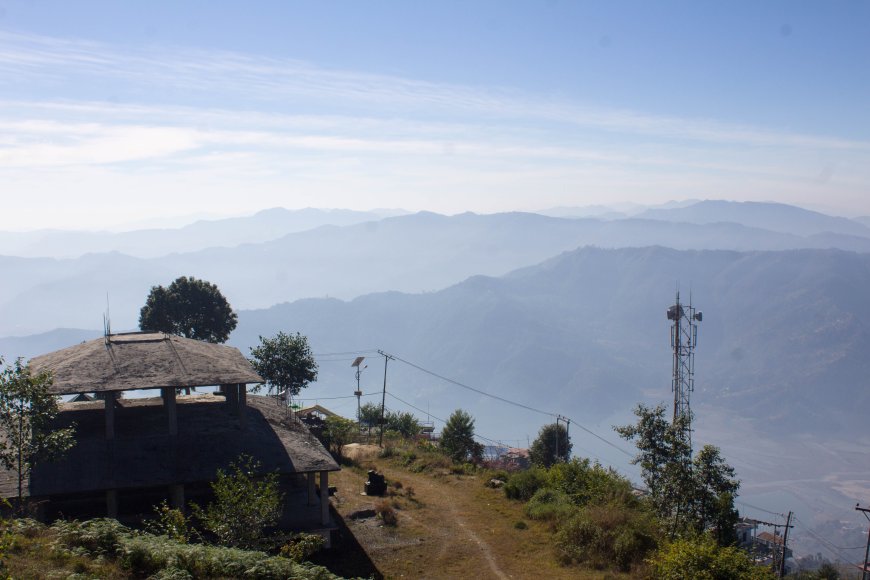
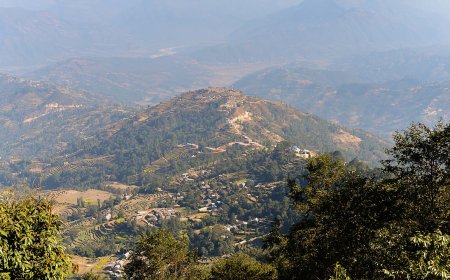
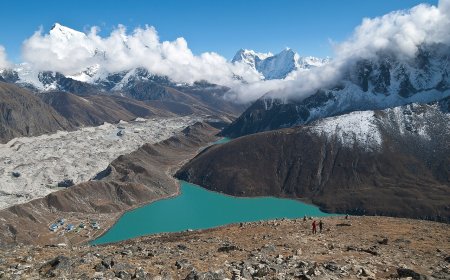
Paragliding in Pokhara is one of those things people book weeks before they arrive and think about for years afterwards. The valley opens up below you, the Annapurna range sits on the horizon, and for twenty-odd minutes you are airborne with nothing under your feet but a harness. It is also an activity where the gap between the price you are quoted and the amount you actually hand over can be surprisingly wide, and where a few blunt questions before you pay will tell you more than any star rating.
This is not a price list, and it is not a ranking of operators. It is what to ask, and why the answers matter.
What a quote covers, and what it quietly doesn't
Most quotes you will see advertised are headline prices for the flight itself. What sits inside that number varies a lot from one operator to the next, which is why two quotes that look comparable can end up costing you very different amounts on the day.
Items that are commonly quoted separately, or left out altogether, include:
- Transport up to the launch point, and your return from the landing site
- Photo and video packages, which are often the single biggest add-on
- What happens if the weather turns: whether you wait, rebook, or lose the booking
- Any surcharge based on your weight, which some operators apply and others don't
- Insurance, whether the operator's own or yours
- Any landing-site or permit fee payable locally
The fix is not complicated. Ask this, word for word: "What is the full amount I pay on the day, in NPR, and what is not included?" A desk that can answer that clearly and put it in writing is a desk you can work with. A desk that hedges is telling you something too.
When the flying windows fall
Operators and the wider flying sector in Pokhara describe two main windows in the year: a post-monsoon stretch running roughly from October into November, and a pre-monsoon stretch around March and April. The monsoon months themselves, broadly June through early September, are not treated as flyable. Treat that as the pattern the industry describes rather than a guarantee, and note that conditions shift year to year.
As of early October 2026, the post-monsoon window is the one currently opening. The next of the two falls around March to April 2027.
Within any of those windows, whether you actually fly on your chosen morning is a call made on the day, by the people watching the ridge. No calendar can make that decision for you. If flying is the main reason for your trip, build a spare day or two into your Pokhara stay rather than scheduling it for your final morning.
How to vet an operator before you book
Pilots in Nepal fly under documents issued and renewed by an authority, and the specifics of who regulates what, and under which rules, is exactly the kind of thing that changes without much fanfare. So don't rely on a blog, an aggregator listing, or a reseller page to tell you an operator is properly certified. Ask directly, and ask for it in writing.
- Ask to see the pilot's licence and the operator's certification, on the day, before the flight
- Ask who issues and renews those documents, and get the answer in writing at the time of booking
- Confirm validity dates rather than assuming a document on a wall is current
Then move on to the operational questions. Where do you launch from, and how do you get up there? Where do you land? How long is the flight expected to last, and what happens if the air gives you less? What time of day is your slot, and why? What does the pre-flight briefing involve, who fits your harness, and what paperwork do you sign before takeoff?
These are not trick questions. A good operator will answer all of them without flinching.
Limits, insurance and the fine print
Don't take a forum's word for who can fly and who can't. Age limits, weight limits and medical exclusions are set by the operator, and they differ. Ask for the operator's own limits in writing and check them against your own situation before you pay. If you have a heart condition, a recent injury, or you're pregnant, raise it early and in plain terms.
On insurance, find out what the operator's cover actually includes, and then read your own travel policy. Plenty of standard policies exclude paragliding as an activity, so check the wording rather than assuming.
One more thing to check before you go
Before booking anything, check your own government's current travel advisory for Nepal for destination context. Those pages are updated on their own schedule and are worth reading on the day you plan, not months ahead. They won't tell you which operator to choose, and they aren't meant to.
Re-verify before you pay
Licence status, operator certification and listed prices all need to be re-checked at the time of booking. None of the licensing or pricing details circulating online are anchored to a document you can still assume is in force. Ask, see the paperwork, get the total in writing, and only then hand over your money. That single habit will do more for your trip than any review you read.
What's Your Reaction?