





Lost Documents in Nepal: Where to Go After You Realise It's Gone
A practical, route-by-route guide to replacing lost documents in Nepal: why the police report comes first, which office holds which record, how to protect yourself from misuse, and where to complain when a counter stalls.

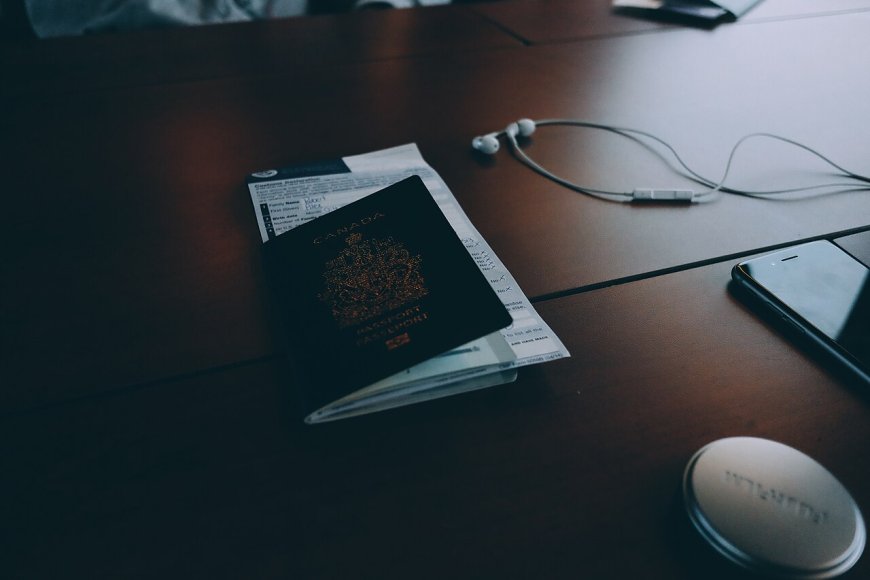
You reach for your wallet at the counter and your citizenship certificate isn't in the plastic sleeve where it has lived for years. Or your passport is missing two days before a flight. The next hour is going to feel awful, and most of it will be spent figuring out who you are supposed to talk to first.
There is no single office in Nepal that handles lost documents. Each one belongs to a different authority and takes a different route back to you. What doesn't change is the order you do things in, and that order is the part worth memorising before you need it.
Step one: the police report, every time
File a complaint at a police office. Not because the police are likely to recover a citizenship certificate from a bus seat, though it does happen, but because almost every office you visit afterwards will ask to see proof that you reported the loss.
Go to the police office covering the area where you think you lost the document, or the nearest one if you genuinely don't know. Take whatever identification you still have, and the document number if you can find it on a photocopy, a photo on your phone, or an old form.
Ask for a copy of the report before you leave the counter. Then photograph it. It is a single sheet of paper, and people lose those too. If the loss happened while you were abroad, report it to the local police there and keep that report, because Nepali offices will want to see it.
For anything urgent or dangerous, Nepal Police's emergency line is 100. A lost document isn't an emergency, so use the counter, not the hotline.
Then go to whoever issued the document
This is where people waste days, because they go to the office nearest their home instead of the office that actually holds their record.
Citizenship certificate
Replacement is handled by the District Administration Office, normally the one that issued the original, since that is where your file sits. If you have moved districts, call before you travel. Some cases can be dealt with where you now live and some cannot, and the answer depends on your paperwork rather than on any rule you'll find written down clearly online.
Passport
Passport services run through the Department of Passport and district administration offices. A lost passport is not simply reprinted. The old number has to be cancelled first so it can't be used, and the police report is what starts that. If you are outside Nepal, contact the nearest embassy or consulate. They can issue an emergency travel document to get you home, and the full passport gets sorted once you're back.
Driving licence
The Transport Management Office that issued your licence holds the record, so start there. Your licence number makes the whole thing faster, which is a good argument for keeping it written down somewhere other than the licence itself.
Land ownership certificate (lalpurja)
The Land Revenue Office, or Malpot. Be ready for this one to take longer than the others, because reissuing a land certificate involves a public notice so that anyone with a claim on the land can object. Your neighbours will hear about it, and that is the process working as intended rather than anyone suspecting you of something.
National ID card
National ID cards are issued through the Department of National ID and Civil Registration. Enrolment has been spreading district by district over recent years, so the clearest starting point is the office that enrolled you. If you're unsure which one that was, ask at the district office and they can usually tell you from your records.
School and university certificates
Go back to the school, college or examining board that awarded the certificate. They keep records, and duplicates are normally issued marked as duplicates, which is fine. Any employer or university that cares will understand.
Vehicle blue book and tax documents
The transport office for the blue book, the Inland Revenue Office for PAN and tax papers. Both will want the police report, and for a vehicle you'll usually need the registration details handy.
Keep copies before you need them
The cheapest insurance against all of this is a folder of scans in your email or cloud drive: citizenship certificate, passport data page, licence, lalpurja, PAN certificate. Add the document numbers to your phone contacts under your own name, which sounds odd until the day it saves you a week.
Watch for misuse, and don't be shy about it
This is the part people underestimate. A citizenship certificate copy is the front door to a lot of things in Nepal, and a lost one sitting in someone else's hands is worth treating seriously. Telling the issuing office promptly matters, because it puts on record that a replacement was issued after a certain date.
Never sign a blank form at any office. Never hand your originals to a "helper" who offers to get the queue moving for you. If someone does use your document to take a loan or register something, treat it as a police matter and report it with the same seriousness as the original loss.
When the counter won't move
Sometimes you'll be sent back and forth for a requirement nobody mentioned the first three times. Stay calm, ask for the requirement in writing, and note the name and designation of the person you spoke to. The government runs the Hello Sarkar grievance channel for exactly this kind of complaint. If someone is asking for money to do their job, that goes to the Commission for the Investigation of Abuse of Authority.
What this guide leaves out on purpose
No fees, no processing times, no list of exact documents for each office. Those change, they differ between district offices, and a number copied from an outdated page will cost you a wasted trip sooner than it saves you one. Call the office before you go. One phone call is worth more than any guide, including this one.
What's Your Reaction?