













Lost Document in Nepal: Police Report and Replacement Basics
A reader's guide to what actually happens after you lose a document in Nepal: filing the police report, getting certified copies, and the replacement route for citizenship certificates, passports, driving licences, lalpurja and academic papers, plus what to do if the loss happens abroad.

Your citizenship certificate is gone. Maybe the wallet went with it, maybe it slipped out somewhere between the ward office and home. The first instinct is usually to panic and call someone who knows someone. Don't. In Nepal, almost every replacement process starts with one ordinary step: a police report.
This is a plain walkthrough of that step and the ones that follow, for the documents people lose most often.
Why the police report comes first
A police report does two things. It creates an official record that the document existed and is now missing, which is what protects you if someone uses it fraudulently. And it is the piece of paper that government offices, banks and examination boards ask for before they will issue a replacement.
Go to the police station covering the area where you think the loss happened, or the one nearest your home if you are not sure. Say plainly what was lost and where you last had it. If it was stolen rather than misplaced, say so, because a theft is registered as a case and the paperwork is different from a simple loss report.
What to take to the station
- Your citizenship certificate number, or a photocopy, or a photo of it on your phone
- Passport number, licence number, or whatever identifier you have for the missing document
- Your own identification, if you still have any
- A short written statement of what happened, in Nepali, with dates and places
If you have nothing at all, go anyway. Officers deal with this constantly and can work with your name, address and date of birth.
Ask for certified copies, not one
You will hand the report over at more than one counter. Ask for several certified copies (pramanit pratibedan) while you are there. Coming back for extra copies later means another queue, and some offices will only issue them to the person named on the report.
Replacing a citizenship certificate
Citizenship certificates are issued by the District Administration Office. Take your police report, an application, photographs, and whatever proof of identity and family link you can gather. In practice, district offices commonly ask for a recommendation from your ward office and sometimes statements from relatives or neighbours who can confirm who you are. Requirements do vary district to district, so call or check the counter before you queue, and expect the file to move through verification rather than being handed over the same day.
If your certificate was laminated and photocopied widely, keep one of those old photocopies. Even a blurry copy with the number visible saves an enormous amount of time.
Replacing a passport
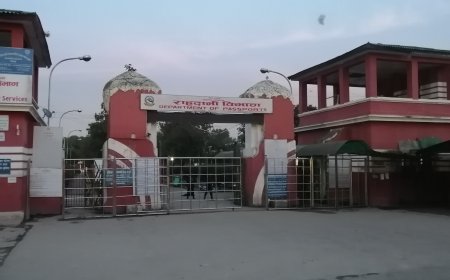
A lost passport is not renewed. It is cancelled, and you apply fresh through the Department of Passports or its branch offices. The police report is part of the application, and you should mention the previous passport number so the old one can be flagged as lost rather than left floating in the system. Biometrics, photographs and the usual application form still apply, and the new passport will carry a new number.
Do this before you book any travel. A cancelled passport can create questions at immigration if the record is not clean.
Replacing a driving licence
Driving licences are handled by the Department of Transport Management and its transport offices. For a lost licence you file an application with the police report attached, pay the prescribed fee, and the office issues a duplicate against your existing record. If your licence was due for renewal anyway, ask at the counter whether both can be handled together rather than making two trips.
Replacing a lalpurja
Land ownership certificates sit with the Land Revenue Office, and this is the slowest of the lot. You file an application with the police report, and the office then publishes a public notice inviting objections, because land records are exactly the kind of thing people try to duplicate dishonestly. Only after that notice period passes without a dispute does the duplicate get issued. Ask the office how long the notice runs in your case instead of relying on what a neighbour remembers.
Academic certificates, bank papers and insurance
School and university certificates are reissued by the board or campus that awarded them, usually with the police report plus an application and a fee. Bank passbooks, cheque books and cards are handled directly by your bank, which will freeze the old item and issue new ones; a police report helps if there is any chance of misuse. Insurance policies follow the same logic with the insurer. None of these need a middleman.
If the document is lost abroad
Report it to the local police where you are, then contact the nearest Nepali embassy or consulate for travel documents. Keep both sets of paperwork. The embassy will want the local police report, not just your account of events.
Skip the agent
Someone will always offer to 'handle' a replacement for a fee. The processes above are filed by the document holder, in person, at a public counter. An agent adds cost and risk and no legal advantage. If an official asks for something you did not expect, ask them to show you the requirement in writing or point to the notice board.
Quick answers
Do I need a police report for every lost document? For government-issued identity and land documents, yes in practice. For a library card, probably not.
Can I file the report in a different district from where I lost the document? Ask at the station. It is usually accepted, but the office processing your replacement may have its own preference.
What if the document turns up later? Tell the office that issued the replacement, and tell the police station where you filed the report. Holding two valid copies of the same document is the kind of confusion you do not want on record.
One last thing, and it takes ten minutes: photograph every document you own, front and back, and email the images to yourself. When something goes missing, that folder is the difference between a stressful week and a stressful month.
Office procedures and requirements change. Confirm the current checklist, fee and notice period at the counter before you file.
What's Your Reaction?