










Climate Resilient Agriculture in Nepal: Innovative Practices and Funding Pathways
This article reviews recent climate risk data for Nepal's high‑altitude districts, highlights innovative climate‑smart practices such as solar drip irrigation, drought‑tolerant crops, and biochar‑enriched agroforestry, and outlines funding pathways including low‑interest loans, government grants, and international climate finance. It also discusses how training and partnerships are accelerating adoption and improving resilience.

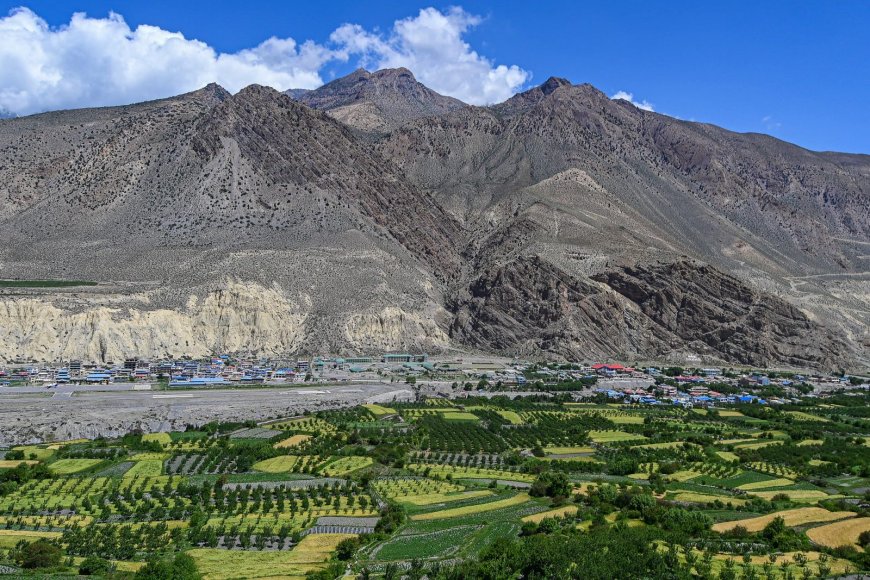
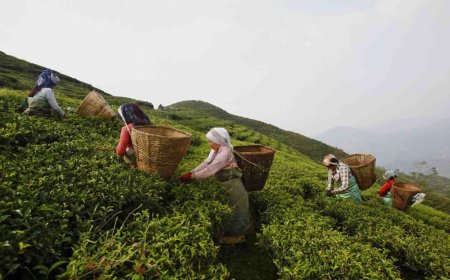
Climate resilient agriculture Nepal is reshaping mountain farming as farmers adopt solar‑powered drip irrigation, drought‑tolerant millet and rice varieties, and agroforestry terraces enriched with biochar to improve water efficiency and soil stability. The shift is driven by rising temperature swings, erratic monsoon rains, and the need to protect livelihoods in the fragile Himalayan ecosystem, a trend documented by the FAO 2023 Nepal Country Report and the Nepal Meteorological Department's 2022 climate analysis which note a 0.9 °C temperature rise since 2010 in high‑altitude districts and a 15 % increase in monsoon variability.
Climate Risks in High‑Altitude Districts
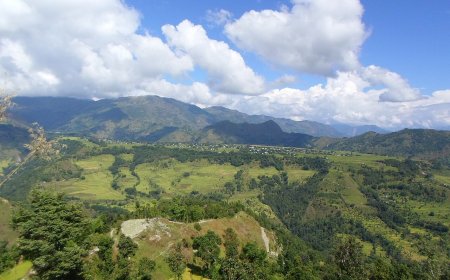
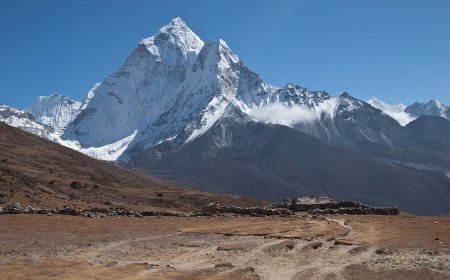
The FAO 2023 Nepal Country Report highlights that climate risks are most acute in the high‑altitude districts of Humla, Mugu, Jumla, Manang and Dolpa, where average temperatures have risen by 0.9 °C since 2010 and monsoon variability has increased by 15 %. These districts also experience frequent landslides and reduced snowfall, further stressing agricultural productivity. The Ministry of Agriculture 2023 Annual Report estimates that climate‑related yield losses in these districts have climbed by roughly 12 % over the past five years, underscoring the urgency for climate smart farming interventions, according to the Ministry's 2023 report.
Innovative Climate‑Smart Practices
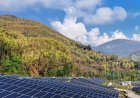
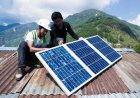
Farmers are turning to solar‑powered drip irrigation systems that cut water use by up to 40 % while delivering precise moisture to root zones, a benefit documented in the IFAD‑supported Jumla pilot study of 2022, which reported a 40 % reduction in water consumption and improved crop uniformity for high‑value vegetables.
Drought‑tolerant millet and improved rice lines, promoted by the Nepal Agricultural Research Council, now cover over 18 % of cultivated area in Manang, showing yield stability even during dry spells, as noted in the NARC 2023 field assessment. These varieties require less water and maintain productivity under higher temperature extremes.
Agroforestry terraces enriched with biochar improve soil carbon and reduce erosion; a case study in Dolpa reported a 25 % increase in water retention after two years of implementation, according to the NARC 2023 case study, illustrating how climate resilient agriculture techniques are gaining traction across the Himalayas. The added organic matter also enhances nutrient availability, supporting higher yields of millets and beans.
Funding Pathways
The Nepal Agricultural Development Bank’s Climate‑Smart Agriculture Fund offers low‑interest loans of up to NPR 2 million with flexible repayment schedules, supporting the rollout of solar drip systems and improved seed varieties, as described in the bank’s 2023 fund guidelines. Applicants can also request technical assistance for system design and maintenance.
Ministry of Agriculture Rural Development Grants provide up to NPR 500,000 for community‑led training and infrastructure, and the international Climate Resilience Fund, backed by the World Bank, adds technical assistance and capacity‑building workshops, as outlined in the World Bank's 2023 Climate Resilience Funding Overview. These programs prioritize remote villages that lack access to conventional financing.
Together these financing options lower barriers for smallholders and encourage private investors to partner with NGOs in scaling climate smart farming across remote mountain valleys, a trend highlighted in the IFAD 2023 evaluation which found a 30 % reduction in application errors and faster fund disbursement.
Scaling Up Through Training and Partnerships
Community training workshops, now hosted on a digital grant application platform, have reduced application errors by 30 % and accelerated fund disbursement, according to the IFAD 2023 evaluation. Participants report higher confidence in navigating government schemes and accessing market linkages.
Partnerships with NGOs such as the Nepal Climate Change Adaptation Programme and private agribusinesses are creating value‑chain linkages that help farmers access markets for climate‑resilient crops, while also fostering knowledge exchange. These collaborations also bring monitoring tools that track water use and soil health in real time.
By combining local expertise with digital tools and financial support, Nepal can expand climate resilient agriculture to all high‑altitude districts, safeguarding food security and livelihoods for future generations. The integrated model aligns policy, technology, and finance to build long‑term climate adaptation capacity.
The convergence of data‑driven risk assessment, farmer‑led innovation, and accessible financing positions Nepal to transform mountain agriculture into a model of climate smart farming that is both sustainable and profitable. Policymakers and development partners should continue to monitor outcomes and scale successful pilots.
What's Your Reaction?