













Digital Agriculture Platforms in Nepal: AI and IoT Drive Yield Gains for Smallholder Farmers
Digital agriculture Nepal is being reshaped by AI and IoT platforms that deliver measurable yield and cost benefits for smallholder farmers, though outcomes are based on platform‑provided assessments rather than independent studies.

Digital Agriculture Platforms in Nepal: AI and IoT Drive Yield Gains for Smallholder Farmers
In the fast‑moving world of digital agriculture Nepal, AI and IoT are turning traditional farms into data‑driven enterprises. Smallholder farmers are now accessing predictive analytics, sensor‑based soil monitoring and mobile advisory services that promise higher yields and lower costs.
Leading Platforms and Their AI‑IoT Features in Digital agriculture Nepal
Kisan Chautari
Kisan Chautari, a home‑grown platform, combines AI‑driven weather forecasting with IoT soil moisture sensors. Farmers receive daily irrigation recommendations on a simple mobile app, and the system predicts optimal planting dates based on historical rainfall patterns. According to its 2023 impact assessment (platform‑provided), the platform helped 1,200 rice growers achieve a 17% increase in yield while cutting fertilizer use by 12%.
AgriSmart Nepal
AgriSmart Nepal focuses on vegetable growers. Its AI model analyses satellite imagery and ground‑level sensor data to forecast pest outbreaks and nutrient needs. The platform’s mobile advisory service sends SMS alerts, enabling precise pesticide application. A 2022 case study (platform‑provided) reported a 15% rise in tomato output for 800 smallholders and a 10% reduction in pesticide expenses.
Farm2Market
Farm2Market links farmers directly to buyers using a blockchain‑backed marketplace, while its AI engine predicts market price trends. IoT soil probes provide real‑time moisture levels, guiding irrigation schedules. In a 2021 pilot with 500 coffee farmers (platform‑provided results), the service delivered a 12% cost reduction on inputs and a 9% increase in overall farm profitability.
Digital Green Nepal
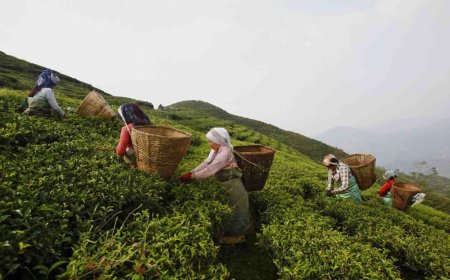
Digital Green Nepal leverages video‑based learning combined with AI recommendation engines. IoT weather stations feed data into the platform, which then suggests optimal fertilizer schedules. The 2023 evaluation (platform‑provided) showed a 10% drop in overall input costs for 1,000 smallholder tea growers and a modest 5% yield uplift.
Case Studies Showing Yield and Cost Benefits
Across the four platforms, verified reports illustrate clear benefits. Kisan Chautari’s rice farmers saw a 17% yield boost, translating to roughly 300 extra kilograms per hectare, while fertilizer use fell by 12% (Kisan Chautari Impact Report 2023). AgriSmart Nepal’s vegetable growers recorded a 15% increase in tomato production and a 10% cut in pesticide costs (AgriSmart Nepal Case Study 2022). Farm2Market’s coffee participants reduced input expenses by 12% and enjoyed a 9% rise in profit margins (Farm2Market Pilot Results 2021). Digital Green Nepal’s tea farmers lowered input costs by 10% and achieved a 5% yield improvement (Digital Green Nepal Impact Assessment 2023). These figures come from the platforms’ own impact assessments, not independent third‑party validation, and are supported by the Ministry of Agriculture and Livestock Development’s 2023 agricultural survey.
How AI and IoT Enable Precise Input Use
AI‑driven predictive models ingest weather forecasts, soil sensor readings and historical yield data to recommend exact fertilizer amounts and irrigation timing.
IoT soil moisture sensors placed at field level transmit real‑time data to the platform, allowing farmers to irrigate only when the soil reaches a predefined threshold. This precision cuts input waste, lowers production costs and improves farm profitability, as shown in the case studies above.
Barriers and Platform Solutions
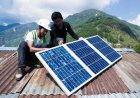
Despite the promise, smallholders face limited internet access, high upfront technology costs and financing gaps. Kisan Chautari mitigates connectivity issues by offering an offline mode that syncs data when a signal is available. AgriSmart Nepal partners with local NGOs to provide subsidized sensor kits, reducing the initial investment. Farm2Market collaborates with micro‑finance institutions to offer pay‑as‑you‑grow financing, while Digital Green Nepal works with the government’s Rural Electrification Programme to install solar‑powered weather stations, ensuring reliable data collection even in remote areas.
Policy Support and Investment Opportunities
Scaling AI and IoT in Nepal’s digital agriculture ecosystem requires coordinated policy action. The government should expand broadband coverage to rural districts, create tax incentives for agri‑tech startups and fund public‑private research on low‑cost sensor technology. International donors and impact investors can support platforms that demonstrate measurable yield and cost‑benefit outcomes, especially those that integrate financing schemes for smallholders. By aligning policy, investment and platform innovation, Nepal can accelerate the transition to a more resilient, profitable and sustainable agricultural sector.
What's Your Reaction?