






Dhading Postal Code: How to Find the Right One for Your Address
A practical guide to postal codes for Dhading addresses: how Nepal Post organises district and ilaka offices, why one number doesn't cover the whole district, three reliable ways to confirm the right code, and how to write a Dhading address that still gets delivered when the code is wrong.

Postal codes in Nepal look simple. Five digits, one box on the form. Then you try to fill in that box for an address in Dhading and realise you have no idea whether the number you were told is right for your ward, your town, or the whole district.
Here is the thing most people get wrong: a postal code does not belong to a district as a whole, and it does not follow the municipality name on your citizenship card. It belongs to the post office that actually handles mail for your area. Get that relationship straight and the rest of it makes sense.
How Nepal's postal codes are organised
Nepal Post assigns codes office by office, not village by village. Each district has a main post office, usually in the district headquarters, and below it a set of ilaka post offices covering groups of wards, settlements and village clusters.
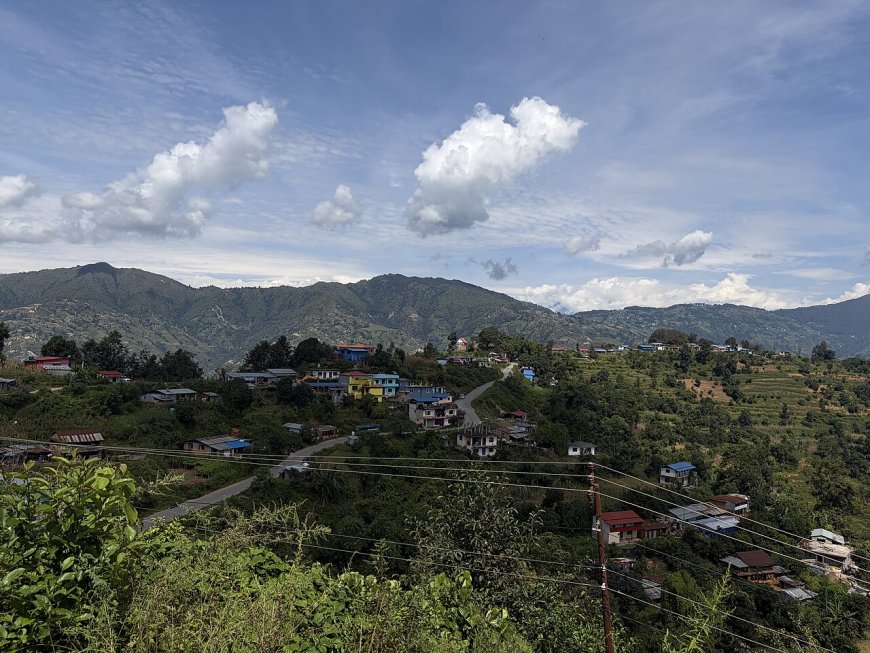
For Dhading, that main office sits in Dhadingbesi, inside Nilkantha Municipality. The district's mail is sorted and routed from there, and the ilaka offices underneath it each hold their own code. So when someone in Gajuri, or up the highway around Malekhu and Benighat, writes down a code, the correct one is the code of the office that serves that settlement, not the headquarters code.
This is why one number for the whole district causes trouble. It is close enough to work sometimes, which makes it worse. A parcel with the wrong ilaka code can end up at the district office and then wait, because nobody there knows which van or which person should carry it onward.
Three reliable ways to find your code
Ask at the counter. The nearest post office to you knows its own code and usually the codes of the offices around it. This is the fastest method and the least likely to be out of date. If you are sending rather than receiving, ask at the office you are handing the parcel to.
Check Nepal Post's own listing. Nepal Post publishes a district-wise postal code list on its website. Search for the district and match your locality or the office name, not your ward number. The list is organised by office, so if you don't recognise your settlement in it, look for the nearest larger place that has an office.
Ask the courier. Private courier companies and online shops that deliver into Dhading keep their own service lists. If you are filling in a delivery address at checkout, their support desk will usually tell you what code they have on file for your area. Useful, but treat it as a second opinion rather than the final word.
What you should not do is copy a number off a friend's address in a different part of the district, or assume the district headquarters code covers everything. It doesn't, and a wrong digit can send a document on a detour of several days.
Writing a Dhading address so it survives a mistake
Codes help, but in practice the address text does most of the work. A well-written address still gets delivered when the postal code is wrong. A badly written one with the right code can still go missing.
Include these, in roughly this order:
- Full name of the recipient, and a phone number that actually rings
- Ward number, then tole or settlement name
- Municipality or rural municipality
- Nearest landmark or the highway distance, if the settlement is small
- Dhading, then Bagmati Province
- The postal code, once you have confirmed it
The phone number matters more than people expect. In rural parts of Dhading, the postman or the courier rider will often call rather than walk around looking for a house with no number plate.
Mistakes that come up again and again
People write six digits because they are used to Indian PIN codes. Nepal's are five. People write the code for Kathmandu because that is the only one they know by heart. People leave the box blank and the form refuses to submit. And people use the code of the office where they were born rather than the one where they currently live, which is a problem if they have moved within the district.
One more: online forms sometimes validate the code against an old list and reject a correct one. If that happens, check with the post office first, and if the office confirms your number, send the shop or the service a short message rather than changing your address to fit their form.
If you are sending something into Dhading
You don't have to solve this yourself. Write the address as fully as you can, add the recipient's phone number, and tell them what you have sent and roughly when it should arrive. Ask them to confirm the code at their end, since they are the one who can walk into the local office. For anything with a deadline attached, a registered post or a courier with tracking is worth the extra cost over ordinary mail, especially for addresses off the Prithvi Highway.
And if you are ever unsure, say so on the envelope rather than guessing. A blank code plus a precise address is easier for a postal clerk to fix than a confident wrong number pointing at another office.
What's Your Reaction?