






How Imported Food Gets Cleared or Stopped in Nepal: DFQC Testing, Lab Reports and What a Retailer Is Actually Expected to Do
How a food consignment moves from the Nepal border to a release or a hold: sampling, lab reports, and what retailers are conventionally expected to do. Agency and legal details flagged as unverified, checked 21 October 2026.

Say a container of biscuits or a pallet of packaged juice reaches the Nepal border. Somewhere between the customs desk and the shop shelf, someone decides whether it goes through or gets held. Most retailers never see that decision being made. They see the outcome: a delivery date that slips, a lab report photocopy forwarded on Viber, a consignment that stops moving for reasons nobody explains clearly.
What follows is the mechanism as it is commonly described by importers, clearing agents and the food quality agency's own published material, written as of October 2026. It does not issue a verdict on any product or brand. It does not give you the current text of the law. Where something could not be verified while putting this together, the piece says so instead of filling the gap with something that sounds confident.
Who sits in the middle of this
The body most importers in Nepal still call DFQC, the Department of Food Technology and Quality Control, is the reference point for food quality testing and clearance in the import chain. That is the name you will hear at the border, in clearing agents' offices, and on the paperwork that travels with a consignment.
Two caveats before you rely on any of it. First, this article did not carry out a live check of DFQC's current official name, its placement under a ministry, or its published contact details. Confirm those on the agency's own site before you copy them into a supplier letter or a compliance file. Second, plant-origin consignments may also touch a quarantine track handled separately from the food quality track. Which office owns that function is a question for the agency, not for a blog post, and it was not confirmed here.
Sampling: where it happens, who keeps the sample
In the sequence clearing agents describe, the consignment is declared, documents are examined, and a decision is made on whether a sample gets drawn. Not every SKU in every shipment is tested. What triggers sampling tends to be document gaps, the nature of the product, whether this is the first shipment of that line, or an instruction in force at the time.
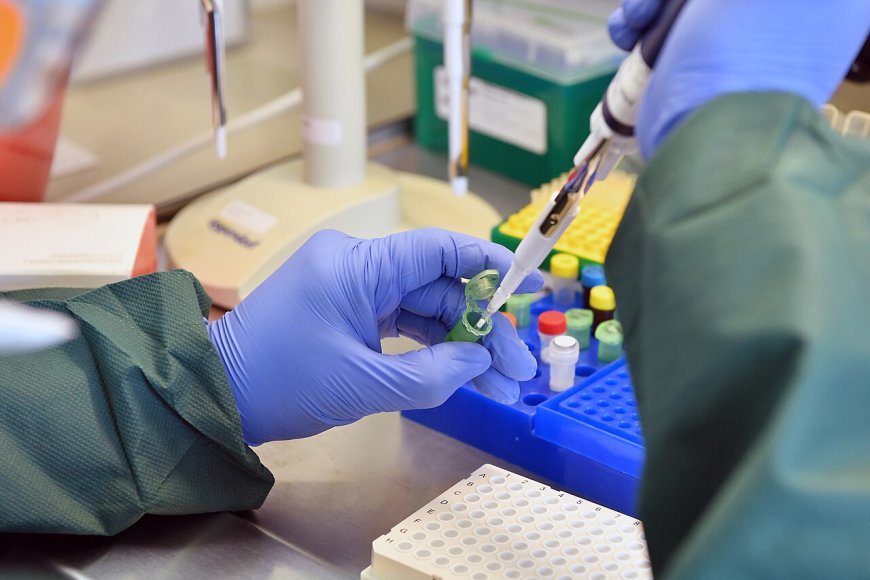
The sample is meant to be defensible later: sealed, labelled, split where the process allows, and recorded against the consignment. One portion goes for testing; another may be retained so a dispute can be re-examined. Who physically holds the retained portion varies with the case. Ask, and ask early. If nobody can tell you where the retention sample sits, that is worth knowing before you sign anything.
What a lab report records, and what it does not
A food lab report records what was tested, on which sample, using which method, and what the result was against a stated limit. The parts a retailer usually needs are the identity details: product name as declared, batch or lot code, date of sampling, who submitted it, and the reference number the agency can trace back.
It is not a certificate that the whole consignment is fine. It speaks about the sample in front of the analyst. Treating a clean report as blanket clearance for a supplier is a common mistake, and it surfaces later, when a different batch from the same source fails.
This piece did not verify which laboratories are accepted for this purpose at the time of writing. There is no directory here. Do not treat a lab name as recognised because it appeared in an article. If you need the position, get it from the agency directly and note the date you received it.
Release, hold, and stock already on the shelf
Release is not automatic once a clean report comes back. The report feeds into a decision made by the agency, and that decision is what moves the file. Results within limits generally mean the consignment can be cleared. Results outside limits, or a documentation problem that no test can fix, usually mean a hold while the importer answers questions. The reasoning gets recorded somewhere, and the importer or their agent can ask for it.
Recourse exists on paper too: ask for the basis of a hold, submit further documents, or seek re-testing where the process allows. How fast that moves depends on the file, not on how loud the phone call is.
For stock already sitting on a shop shelf, the sequence is messier. When a product is stopped, the shop is usually told through the supplier or distributor rather than directly by the agency. What follows is a conversation about pulling the lot, holding it, and what paperwork proves it happened. Part of that conversation will be commercial and part regulatory, and it helps to work out which is which before you start arguing.
What a retailer is actually expected to do
The honest position first: this article could not identify a rule or notice text that creates specific stop-sale, segregation, traceability or penalty duties for a retailer in this situation. So treat everything below as customary practice and trade expectation, not as a statement of legal obligation. Where a particular instrument does apply to your business, have someone qualified read it and keep the copy on file.
What the practice usually looks like: stop selling the affected lot and note the time you stopped. Keep the stock physically apart from normal sale stock rather than moving it to a back shelf. Do not send it back to the supplier without a written record of what left and when. Keep the lab report, the invoice and the lot code together, because those three documents are what any later question will hang on. Tell the supplier in writing, with lot codes, and keep a simple log of what you did and when.
Paperwork that clearances conventionally involve
Presented as convention, not as a legal checklist: importer details, commercial invoice, packing list, transport document, certificate of origin, manufacturer's certificate of analysis or lab report, clear batch and expiry information, and label artwork in the form the agency expects. Hold the set that arrived with the consignment and the set the agency returned. They are not the same set, and the difference matters later.
What this article checked, and when
Checked 21 October 2026. Not verified for this piece: DFQC's current official name and its ministry placement; which agency handles plant-origin quarantine; the present status of the food quality legislation, including whether the older Food Act and Food Rules still govern import control or have been amended or replaced; the accepted-laboratory position; and any rule text creating retailer stop-sale, segregation or traceability duties.
Regulatory position can change; check the agency notice for the current position before relying on this.
Scheduled review for this article: 20 January 2027, or earlier if a new DFQC or ministry notice affecting imports, testing or retailer duties is issued.
What's Your Reaction?