









Exploring Pyuthan: Swargadwari Temple, Khalanga Headquarters and the Rapti Valley
A guide to Pyuthan district highlighting the Swargadwari temple, Khalanga as the administrative centre, and the Rapti river corridor’s cultural and natural significance.

Introduction
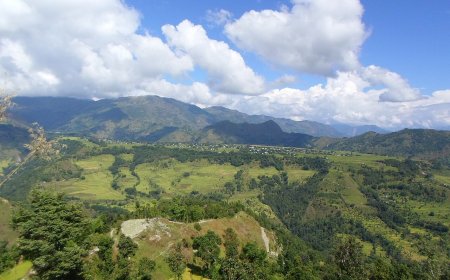
Pyuthan, a hill district in western Nepal, often flies under the radar of mainstream travel guides. Yet it holds a unique mix of spiritual sites, administrative centers, and river landscapes that shape daily life for its residents.
Swargadwari Temple – a spiritual landmark
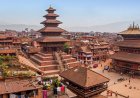
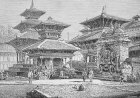
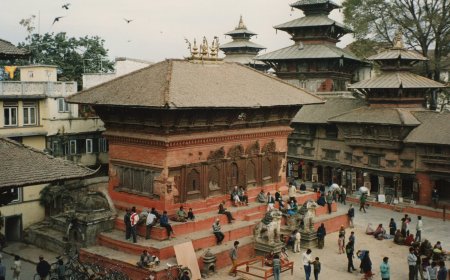
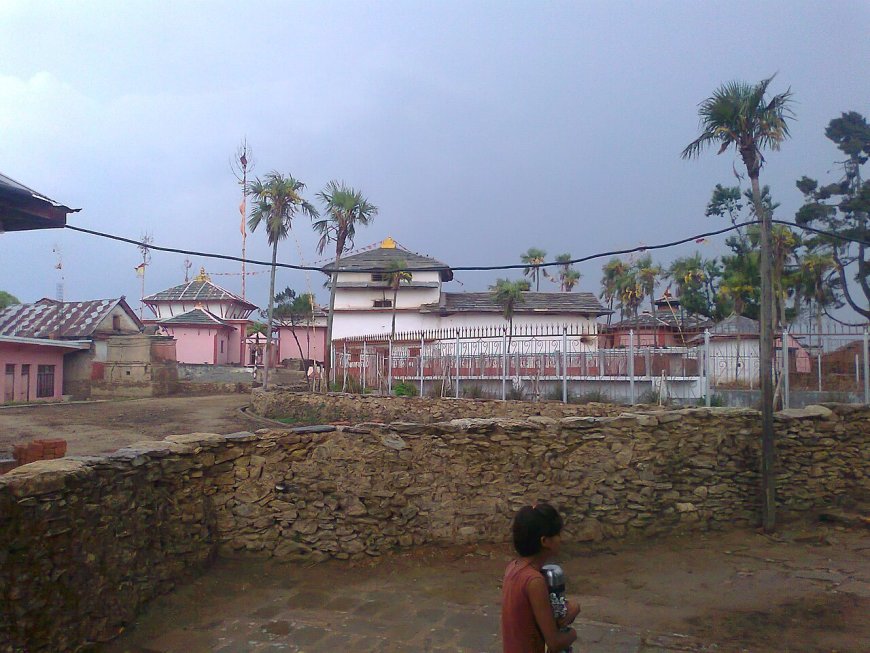
Perched on a ridge overlooking the surrounding valleys, Swargadwari Temple is dedicated to Lord Vishnu and is considered by many pilgrims as a gateway to heaven. The stone‑built shrine dates back several centuries and features intricate carvings typical of the Nepali pagoda style. During the festive month of Shrawan, devotees gather to offer prayers and participate in traditional music and dance.
Khalanga – the district headquarters
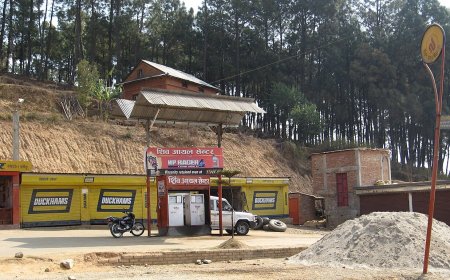
Khalanga serves as the administrative heart of Pyuthan district. Government offices, a district hospital, and a weekly market are located here, making it a hub for both officials and farmers from nearby villages. The town’s modest cafes and guesthouses provide basic services for travelers passing through on their way to deeper trekking routes.
The Rapti corridor – river life and livelihoods
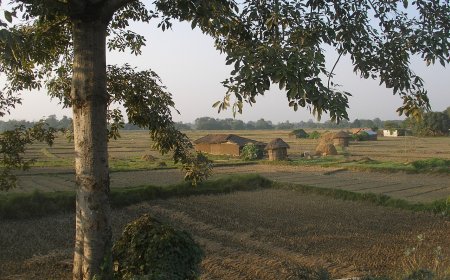
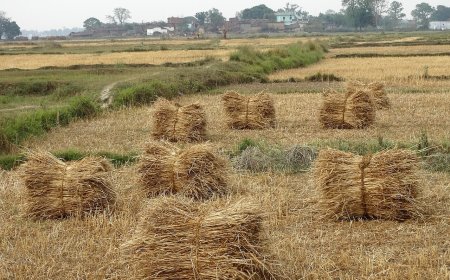
The Rapti River flows along the southern edge of Pyuthan, carving a fertile corridor that supports rice paddies, maize fields, and small‑scale fisheries. Community forest groups manage patches of woodland along the banks, helping to preserve biodiversity while providing firewood and fodder. In recent years, eco‑tourism initiatives have begun to highlight river‑side walks and bird‑watching spots, attracting visitors interested in the region’s natural rhythm.
Together, these elements give Pyuthan a character that is both tranquil and vibrant. Whether you are drawn by the echo of temple bells, the bustle of a district market, or the gentle flow of the Rapti, the area offers a glimpse into the everyday rhythms of western Nepal.
What's Your Reaction?