



Tanahun District Travel Guide: Bandipur, Damauli and the Dumre Junction
Tanahun routing guide: timing Bandipur, Damauli and the Dumre junction, the Kathmandu bus, the Thani Mai climb and monsoon trade-offs.

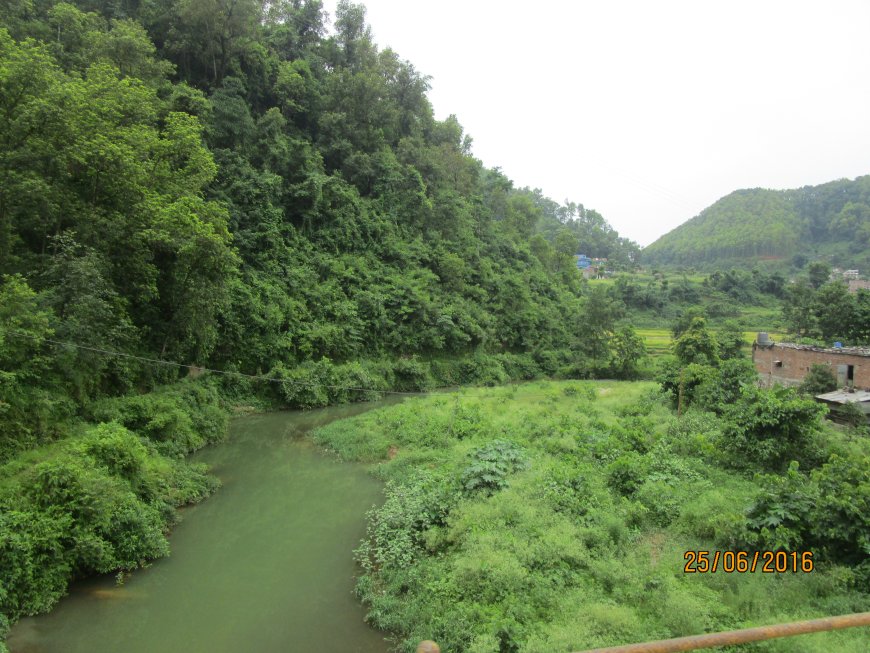
Tanahun is the district most travellers cross without ever naming it. The Prithvi Highway runs its length, the buses between Kathmandu and Pokhara grind through it, and if the road is clear you are past Damauli and Dumre before it occurs to you to look out of the window. Stay a day and the district splits into two very different places: a river town that does the district's administrative work, and a hilltop bazaar that a lack of road access quietly preserved.
This is a routing and timing guide, not a full inventory of the district. What it answers is the question that decides most Tanahun trips: where you get off the highway, how long each stop honestly takes, and which months make which plan work. Get the sequence right and the district is easy. Get it wrong and you spend the day undoing it on the road.
The Junction That Decides the Trip: Dumre
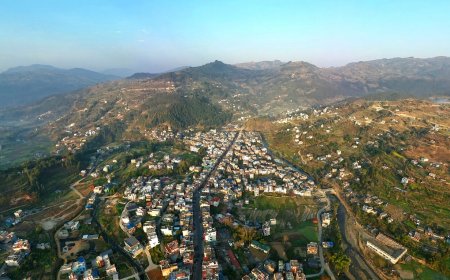
Look at a map of Tanahun and the important point is neither Damauli nor Bandipur. It is Dumre, where a spur road leaves the highway and climbs to the ridge.
Almost every plan here is really a decision about that junction. Get off at Dumre and the bazaar is a short ride uphill; you can be walking its lanes within the hour. Stay on the highway and continue to Damauli and you have committed to the river town, which turns the climb to Bandipur into a separate trip back rather than a stop on the way. Travellers who do Damauli first and Bandipur after tend to spend a good part of the day undoing that choice on the road.
The Dumre to Bandipur leg is about 8 km of switchbacks, and it takes roughly 20 to 30 minutes in a shared jeep or a local taxi, once you have found one and it has filled. That is the one part of the journey where the shape of the road matters more than any timetable. It also means the spur is short enough that skipping it and hoping to come back another day is usually the more expensive decision.
Half-Day or Full-Day: Splitting Bandipur and Damauli
Damauli is the district headquarters and feels like it: buses pulling in, banks, a hospital, shops selling what a hill household cannot grow. It sits at the meeting of the Madi Khola and the Seti Gandaki, and it is where Tanahun does its business. For a visitor it is a practical town. You use it for a bed if the highway has closed ahead, for breakfast, for cash. It rewards a couple of hours on foot rather than a full day, and if you are coming from Pokhara, Damauli is an easy morning's run along the highway before you turn north. Our Pokhara guide covers the city end of that run.
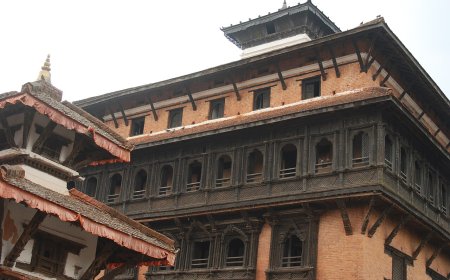
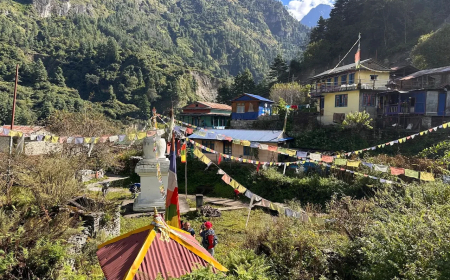
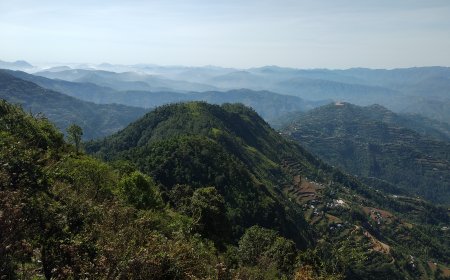
Bandipur is the opposite bargain. Half a day gets you the bazaar street, which is short, steep and quickly walked; arrive in the morning and you can be back at Dumre without rushing. A full day is what the ridge is actually worth, and the reason is specific: the stone steps up to Thani Mai temple above the town, and the longer ridge walk that leaves the bazaar and follows the hill out past the old parade ground towards the outlying villages.
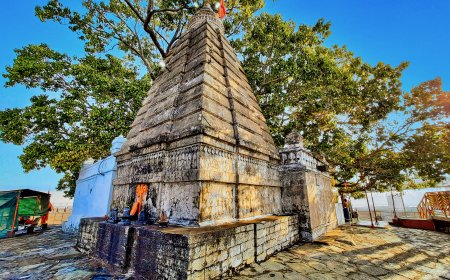
Thani Mai is the one to plan around. It is a steep climb from the top of the bazaar, roughly half an hour at an easy pace, and it is where people go for sunrise. The ridge walk is the other half of the day: gentler, longer, and the part most day-trippers skip because they came up on the noon jeep.
Try both towns in one day and something has to give. Usually it is Thani Mai, then the ridge walk, and often a relaxed lunch. The realistic split is one full day at Bandipur and a couple of hours in Damauli on the way in or out, not two half-days squeezed together.
Luggage and the Climb
Bandipur's old bazaar is pedestrian. The lanes are paved and stepped, vehicles stop below or at the edge of the bazaar, and no amount of planning changes the fact that you will carry your bag up stairs at some point.
So travel light into the town. Leave a large pack at your lodge's vehicle access point if it has one, or ask a porter to take it up, and walk in with a day bag. If you are arriving late, sort this out before you climb rather than at the bottom of the steps in the dark. Lodges differ a lot on where their vehicles can reach, so it is worth checking a few Bandipur accommodation options before you book rather than after.
The physical caveat is real and worth stating plainly: the bazaar is not step-free. Older travellers, anyone with knee trouble, and anyone using a wheelchair or crutches should ask a lodge directly about vehicle access and ground-floor rooms before booking, and should treat Thani Mai and the ridge walk as optional rather than the point of the trip.
Monsoon Versus Post-Monsoon: A Decision Framework
This is not a weather paragraph. It is a choice between two different trips.
Monsoon, roughly June to September, gives you a green, wet, nearly empty district. Waterfalls are running, the bazaar is quiet, and the trade-off is road reliability: landslides on the Prithvi Highway can hold traffic for hours or close a stretch for days, cloud sits on the ridge for much of the day, and the walks turn muddy. If you choose this season, build buffer days into anything you have booked onward, and accept that a view is a bonus rather than a promise.
Post-monsoon, October into November, is the reward. The air clears, the high mountains show above the ridge on good mornings, the highway stabilises, and the bazaar is at its busiest. You pay for that in crowds and in rooms filling earlier.
How to decide: if your trip has a flight or a fixed onward booking attached, come after the monsoon and keep a spare day. If you want the district to yourself and can absorb a delay, the monsoon will give you something the clear months cannot. Road status changes daily and is published by the Department of Roads, so check it the morning you travel rather than a week ahead.
Vyas Cave, Off the Highway at Damauli
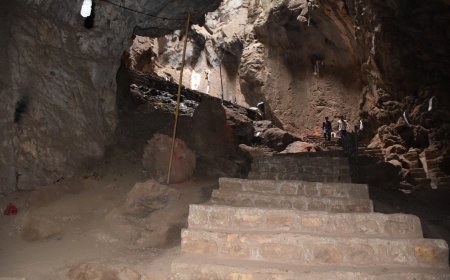
Near Damauli, a cave shrine is linked in local tradition to the sage Vyasa, and it is the district's easiest detour. Expect a shrine rather than a show cave: basic paths, uneven ground and lighting that may be minimal. Entry arrangements and opening hours are not fixed things you should plan around from abroad, so confirm on arrival, and skip it after heavy rain when the approach can be slippery.
Buses: Kathmandu to Bandipur
Direct buses to Bandipur do exist, but they are irregular enough that you cannot build a plan on one. The dependable method is to take any Kathmandu to Pokhara bus and ask the conductor for the Dumre turn-off. Buy to Dumre, get down there, then take local transport up the hill. If a direct service happens to run on your date, treat it as a bonus.
From the Kathmandu end, most of these buses leave from Gongabu, also called Naya Bus Park, through the morning and into the afternoon. Allow roughly four to five hours to Dumre in normal conditions, and more in monsoon or when the highway is choked. Terminal names and departure patterns shift, so confirm the park and the departure point when you buy the ticket.
One last thing. Tanahun rewards people who slow down at Dumre instead of pressing on to Pokhara. The district's best hours are not on the highway at all.
What's Your Reaction?