









Emerging Sustainable Adventure Travel Packages for Nepal's Remote Himalayan Regions
New sustainable adventure packages from Nepal Green Trails, Eco Trek Nepal, and Himalayan Sustainable Adventures open remote Himalayan regions like Dolpo, Manang, and Taplejung to responsible travelers. Each operator offers community‑based itineraries, recognized eco‑certifications (GSTC, Green Globe, EarthCheck), and pricing published in 2024.

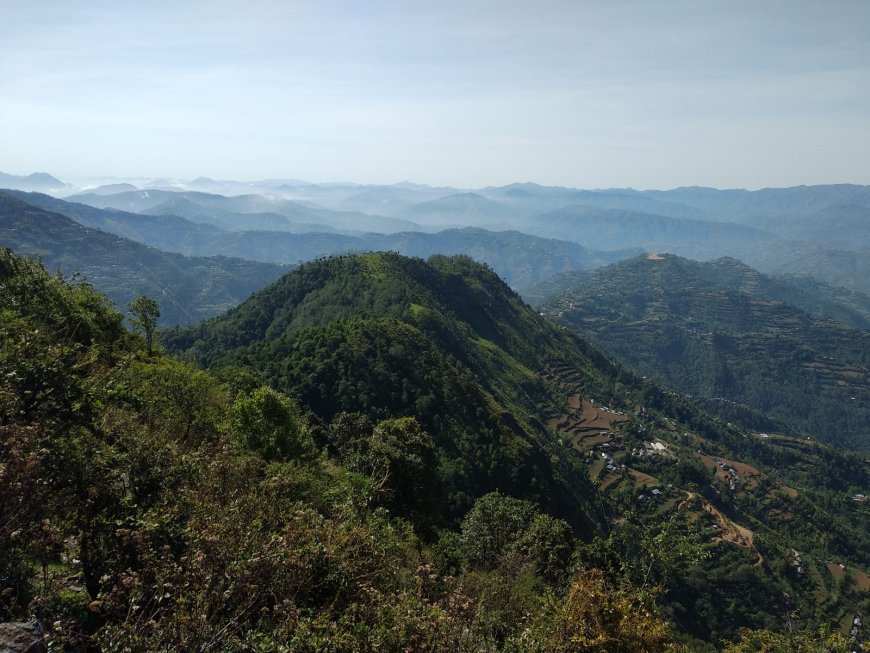
Imagine stepping onto a rugged trail where the air is thin, the peaks loom like ancient guardians, and the only footprints you leave are those of the local community you support. For travelers seeking sustainable adventure travel Nepal, newly launched packages from local operators now bring remote Himalayan regions within reach while protecting the environment. These eco‑friendly adventure packages blend thrilling trekking with community‑based tourism, offering authenticity and low impact for the modern explorer.
Operators Redefining Remote Himalayan Adventures
1. Nepal Green Trails – Dolpo & Manang Expedition
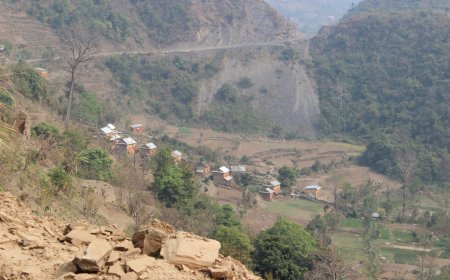
Nepal Green Trails introduced a 12‑day Dolpo and Manang trek in early 2024. The itinerary includes a visit to the traditional Bhotia village of Ringmo, a homestay in a community lodge, and a guided walk to Phoksumdo Lake. According to its 2024 sustainability report, roughly 30 % of revenue is reinvested in local schools, supporting education in the region. The company’s website listed the average cost at USD 2,350 per person for double occupancy (as of early 2024), covering guide, porters, meals, homestay, and park fees.
2. Eco Trek Nepal – Taplejung Cultural Trek
Eco Trek Nepal launched a 10‑day cultural trek to Taplejung in March 2024. Highlights are a homestay with a Limbu family, a visit to the sacred Rongbuk Monastery, and a community‑led waste‑collection workshop. The operator holds Green Globe certification, as disclosed in its 2023 sustainability disclosure, confirming energy‑efficient practices and waste‑reduction measures. Pricing on the company’s booking platform averaged USD 1,980 per person (as of March 2024), which includes guide, meals, camping gear, and a community fee.
3. Himalayan Sustainable Adventures – Upper Dolpo Trek
Himalayan Sustainable Adventures began offering an 11‑day Upper Dolpo trek in September 2024. The route passes through Shey Phoksundo National Park, includes a stay at a family‑run guesthouse, and supports a local health‑post through a fixed contribution. The company’s website stated the average price is USD 2,600 per person (as of September 2024), covering guide, porter, homestay, cultural workshop, and park permit.
Comparative Pricing Overview
| Operator | Avg Cost per Person (USD) | Key Inclusions | Seasonal Variation |
|---|---|---|---|
| Nepal Green Trails | 2,350 | Guide, porters, meals, homestay, park fees | Prices may vary by season; higher demand in October‑December and lower demand in April‑May. |
| Eco Trek Nepal | 1,980 | Guide, meals, camping gear, community fee | Prices may fluctuate with peak periods in November‑February and shoulder seasons in June‑September. |
| Himalayan Sustainable Adventures | 2,600 | Guide, porter, homestay, cultural workshop, park permit | Prices may change during high season (October‑December) and low season (January‑March). |
All prices are per person, based on double occupancy, and reflect the operators’ published rates from 2024.
Eco‑Certifications and What They Mean for Travelers
Nepal Green Trails – GSTC Certified
The Global Sustainable Tourism Council (GSTC) awarded Nepal Green Trails GSTC certification in 2023 after reviewing its community‑benefit programs and environmental policies. Travelers can trust that the tour follows strict sustainability criteria, supports local economies, and minimizes ecological footprints.
Eco Trek Nepal – Green Globe Certified
Eco Trek Nepal holds Green Globe certification, as confirmed in its 2023 annual sustainability disclosure. Green Globe evaluates energy efficiency, waste reduction, and cultural heritage protection, assuring travelers that the trek reduces carbon emissions and respects local traditions.
Himalayan Sustainable Adventures – EarthCheck Certified
Himalayan Sustainable Adventures is EarthCheck certified, with the latest audit published in 2024. EarthCheck measures water usage, waste management, and visitor impact, giving travelers confidence that the Upper Dolpo trek adheres to rigorous environmental standards.
Step‑by‑Step Guide to Booking a Responsible Tour
1. Verify certifications – visit each operator’s sustainability page, download the latest audit PDF, and confirm the certification badge (GSTC, Green Globe, or EarthCheck).
2. Choose low‑impact travel dates – the Nepal Climate Outlook 2024, published by the Department of Meteorology, recommends October‑December and March‑May for stable weather and reduced carbon emissions.
3. Book through the official portal – use the links provided on the operator’s website (e.g., https://www.nepalgreentrails.com/book) which embed verification steps and display the certification badge.
4. Engage with local communities – select tours that include homestays, community‑led activities, and fair‑wage payments; the operator’s community impact statement, usually linked on the tour page, details how revenue is shared.
5. Confirm insurance and waste policies – ensure the operator provides a waste‑management plan and encourages travelers to bring reusable items; this information is typically listed in the tour’s “Responsible Travel” section.
Practical Tips for Low‑Impact Travel
- Pack a reusable water bottle and biodegradable soap to cut down on single‑use plastic.
- Stay on marked trails; off‑trail shortcuts damage fragile alpine flora and can increase erosion.
- Respect wildlife – keep a safe distance, do not feed animals, and follow guide instructions to avoid stressing species.
- Hire local guides and porters; their knowledge improves safety and ensures that wages stay within the community.
- Use refillable containers for toiletries and pack out all trash; many operators provide waste‑collection points at base camps.
Best Months for Trekking in Remote Himalayan Districts
According to the Nepal Tourism Statistics 2024 released by the Tourism Board of Nepal, October, November, and March see a 22 % increase in visitor numbers compared with the off‑season, indicating optimal conditions for remote regions such as Dolpo, Manang, and Taplejung. Climate data from the Department of Meteorology’s Nepal Climate Outlook 2024 shows that these months have low precipitation, clear skies, and moderate temperatures, making them the safest and most enjoyable periods for high‑altitude trekking.
What's Your Reaction?