




Everest Base Camp vs Three Passes: Which Khumbu Trek Suits You
A grounded comparison of the classic Everest Base Camp trek and the Three Passes loop in the Khumbu, covering route shape, pass conditions, acclimatisation, seasons, permits and the practical questions worth settling before you book. No invented fees or success rates, just the differences that actually decide the trip.

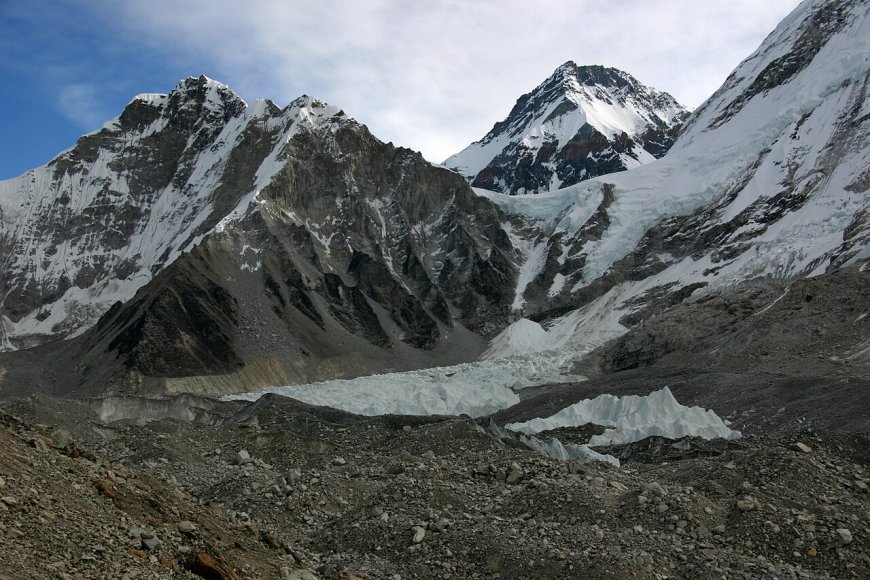
Two treks, one valley, two very different fortnights. Everest Base Camp is the one everybody has heard of. The Three Passes route is the one people do second, or wish they had done first. Comparing them is less about which is better and more about your knees, your calendar and how you feel about cold mornings above 5,000 metres.
The shape of each route
The classic Everest Base Camp trek runs up the Dudh Koshi valley from Lukla through Phakding, Namche Bazaar, Tengboche, Dingboche, Lobuche and Gorak Shep, then turns around and comes back the same way. It is an out-and-back, roughly a fortnight of walking, staying in teahouses the whole way. Most people tag Kala Patthar above Gorak Shep for the close-up view of Everest, since the base camp itself sits on moraine and you can't actually see the summit from it.
The Three Passes trek takes the same valley north but links it into a loop: over Kongma La to the Khumbu side, over Cho La to connect with the Gokyo valley, and out over Renjo La to rejoin the main trail near Thame. You get the Gokyo lakes, the Ngozumpa glacier and a lot more time away from the busiest teahouse chains. It usually adds several days to the trip.
How the walking actually feels
EBC is a steady, well-graded climb. Days are generally four to six hours, the trail is wide and obvious, and the altitude gains are spread out enough that most reasonably fit walkers manage. The hard parts are the altitude, the cold at the top end, and the fact that you climb the same ground twice on the way down.
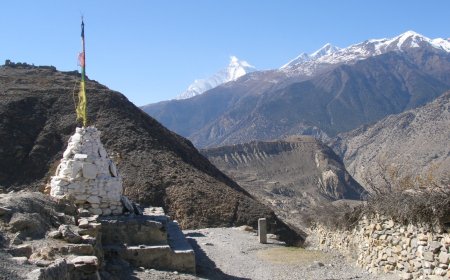
Pass days are a different animal. Kongma La, Cho La and Renjo La all sit somewhere in the 5,300 to 5,500 metre range, and published elevations for each vary a little depending on the map you're reading, so treat any single figure as approximate. Those days are long, steep on both sides, often snow-dusted, and sometimes involve loose scree or a short icy crossing where a guide genuinely earns their fee. If you hate exposure or aren't confident on rough ground, this is the honest deciding factor, not fitness.
Altitude: the part that decides for you
Both routes go high. Everest Base Camp is commonly cited at around 5,364 metres, Kala Patthar a bit above 5,500 and Gokyo Ri around 5,357, with sources disagreeing by a few metres here and there. What matters isn't the peak number, it's how the days are stacked.
The Gokyo side of the Three Passes route gains height more gently, which suits some people. But three pass crossings mean three big pushes, and more chances for a bad day at altitude. Fitness and altitude tolerance are not the same thing, and being the fittest person in your group won't protect you from a headache, nausea and a bad night at Lobuche. Build in rest days at Namche and Dingboche, add a night at Gokyo if you're doing the passes, and know the symptoms of acute mountain sickness well enough to say them out loud. Descending is the treatment.
Time, cost and the numbers you shouldn't trust
Both treks need roughly two weeks of walking from Lukla. Three Passes typically needs several days more, and once you add buffer days and rest days, three weeks door to door is not unusual. Costs swing enormously with agency, group size, season and whether you fly into Lukla or take a jeep to a road trailhead, so anybody quoting you a fixed figure before asking those questions is guessing. Ask for itemised quotes and check what happens to your money if the flight is cancelled.
Crowds and seasons
Spring and autumn are the standard windows, roughly late March to late May and late September to late November. Autumn generally brings clearer skies and more people. Spring is warmer lower down but often hazier, and snow can linger on the passes. Winter trekking happens but the high passes become a serious proposition. The monsoon months are best avoided for obvious reasons.
Traffic is the quiet argument for Three Passes. The main EBC corridor is busy in peak season, and the teahouses at Gorak Shep fill up. Renjo La and the upper Gokyo valley see a fraction of that, even in October.
Practicalities worth sorting before you commit
You'll need a Sagarmatha National Park entry permit and the Khumbu Pasanglhamu Rural Municipality permit. Fees and office locations do change, so confirm current details with a licensed agency or the park office rather than relying on an old blog post, including this one.
Lukla flights are weather-dependent and cancel often enough that buffer days aren't optional. In recent peak seasons some departures have been shifted to Manthali in Ramechhap district, so check your departure airport when you book. Insurance needs to explicitly cover trekking to your maximum altitude and helicopter evacuation, because plenty of policies quietly cap out lower than the passes.
Rules on whether trekkers must hire a guide have shifted in Nepal in recent years. Check the current requirement before you plan a solo trip, because the position you read about two years ago may not be the position now.
A middle option people forget
You don't have to pick extremes. Everest Base Camp combined with the Gokyo valley over Cho La gives you the classic viewpoints and the lakes without committing to all three passes. It's the route a lot of experienced trekkers end up recommending, and it's a fair compromise if pass days sound like type two fun.
So which one
If this is your first Himalayan trek, your time is tight, or you want the version with the most company and the most straightforward bail-out points, Everest Base Camp is the sensible pick. You'll still be cold and breathless, and you'll still earn the view from Kala Patthar.
If you've been above 5,000 metres before and know how your body behaves, want variety in the scenery, and don't mind a few rough days on steep ground, the Three Passes route gives you far more for the extra time. Neither is the tougher trek in any absolute sense. One is harder on your patience with crowds, the other harder on your ankles. Pick the difficulty you'd rather have.
What's Your Reaction?